Pezeshkian urges end to Iran's wartime stalemate as families struggle to afford food
Iranian President Masoud Pezeshkian said Saturday that wartime hardship was leaving many Iranians unable to afford enough food, and called for a way out of the country's stalemate with the United States without specifying a course of action.
 Mariam Al Mansoori
Household costs climb
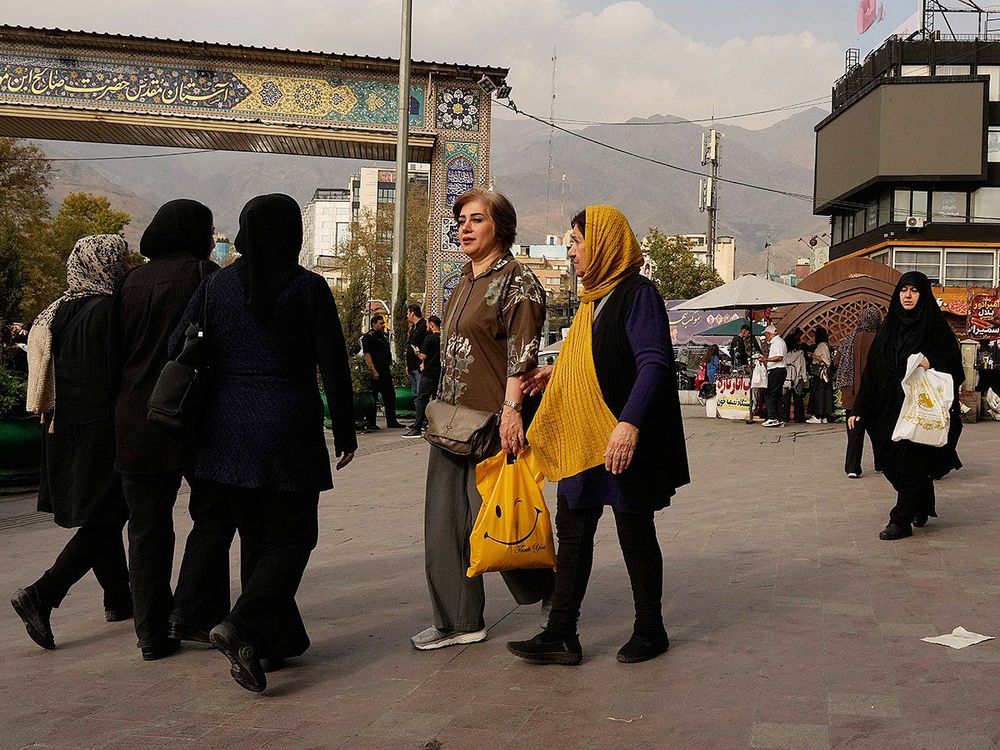
"There are many people in this society who are struggling to put food on the table because of the war we have found ourselves in, because of the wartime conditions we are living under," Pezeshkian said in a speech posted on his website.
His October 24 remarks followed sharp increases in consumer prices. Iran International, citing Iran's Statistical Center, reported that prices in September 2026 were up 89.8% from a year earlier, while average inflation for the preceding 12 months reached 73.6%. Food and drink prices had risen 127.5% year over year in August.
Wages were covering less of families' expenses, according to Faramarz Tofighi, a former member of Iran's Supreme Labor Council. Iran International reported his October estimate that the minimum wage paid for only eight days of a family's living costs, compared with 15 days when it was approved in March. He put a working household's monthly basket of goods and services at 91.3 million tomans.
The currency also hit a record low on October 4, when one US dollar bought 2.723 million rials on the open market, according to Iran International. The dollar's rate was 1.3% higher than the previous day.
More recent increases affected communications and transportation. NCRI, citing Iranian state media, reported that mobile operators raised internet, telephone and messaging tariffs by up to 40% beginning October 23. Passenger rail fares for November travel rose 20–36% compared with October.
Economic pressure and disrupted trade
Washington has reduced military operations in recent weeks while putting greater emphasis on economic pressure. In mid-October, the International Monetary Fund forecast a 7.6% contraction in Iran's economy for 2026, Iran International reported.
The conflict began February 28 with US and Israeli attacks that killed Supreme Leader Ayatollah Ali Khamenei and senior Iranian military commanders. Iran responded by attacking Israel and US assets across the region, and by restricting traffic through the Strait of Hormuz, a major route for global energy supplies. Washington then blockaded Iranian ports, limiting oil exports and trade.
The Business Times reported that the United States reinstated the port blockade in July and began "Operation Economic Outcast" on August 24. The campaign sought to cut Iran's remaining financial and commercial ties to the global economy.
According to Vortexa data reported by The Business Times, Iran's seaborne crude shipments dropped to zero in September's second week and were still at zero on October 5. At the start of September, the 14-day average had been 230,000 barrels a day.
Separately, NCRI cited a Fars News Agency report putting October oil income above $1.5 billion and total receipts since March above $17.5 billion. October receipts were about 44% below the roughly $2.66 billion monthly average for the year's first six months.
Payments for essential imports were also overdue. According to NCRI, an IRGC-linked outlet reported that more than 750 importers were owed €4.07 billion for food and other essential goods already delivered to Iran, with delays reaching 20 months in some cases. Pezeshkian ordered half the debt paid on July 13, but Tasnim reported that the directive had not been carried out 100 days later.
No stated path out of the standoff
Pezeshkian described the impasse as a "state of neither war nor peace" and said Tehran "must also get out of this situation." According to NCRI's account of the speech, he also said Khamenei had instructed officials before his death to end the stalemate. Pezeshkian did not say whether that instruction meant pursuing negotiations or taking another course.
Iran's leaders have maintained that peace talks can succeed only if Washington stops applying pressure and making threats. An earlier attempt to end the fighting, a ceasefire brokered primarily by Pakistan in mid-June, was meant to open the way for wider negotiations. It broke down shortly afterward amid mutual accusations of violations.
Since that collapse, US forces have intermittently struck Iranian targets. Iran has attacked ships seeking to pass through the Strait of Hormuz, alleging that they breached Tehran's conditions for safe passage.
On Friday, US Ambassador to Turkey Tom Barrack raised the possibility of renewed US strikes as early as this weekend. "Could there be a strike this weekend? Absolutely," he told podcast host Mario Nawfal. Barrack is also Washington's envoy on Syria but has no direct role on Iran.
A spokesman for Iran's Revolutionary Guards told Fars on Saturday that Iranian forces were prepared for another attack. "Even if the enemy takes limited action, Iran's response will be several times greater," he said.