Sheikh Mohammed calls for Gulf unity amid regional tensions and social media divisions
Dubai Ruler Sheikh Mohammed bin Rashid Al Maktoum has addressed Arabian Gulf nations with a message of unity, rejecting attempts to sow discord through social media and emphasizing shared history, geography and aspirations that bind the region together.
 Sara Khan
'Most beautiful dream': Dubai Ruler pens letter of unity to Arabian Gulf people
Dubai Ruler Sheikh Mohammed bin Rashid Al Maktoum has issued a powerful message of regional unity to the people of the Arabian Gulf, calling it "the most beautiful dream" as Gulf states face mounting security challenges and social media campaigns aimed at fueling divisions.
The message, shared on October 19, 2026, forms part of Sheikh Mohammed's newly released book "The Letters," the second installment of his "Lessons from Life" series. The collection contains 26 messages drawn from nearly six decades of public service, with the Arabic edition published on October 1 and the English edition on October 15, 2026.
In his letter, the UAE Vice President and Prime Minister reflected on the Gulf region's remarkable transformation over recent decades.
We are the people of the Gulf. By the grace of Allah, we have all journeyed from humble towns to global metropolises, from modest fishing ports to international shipping routes, and from pearl diving to pursuing the world's largest investments.
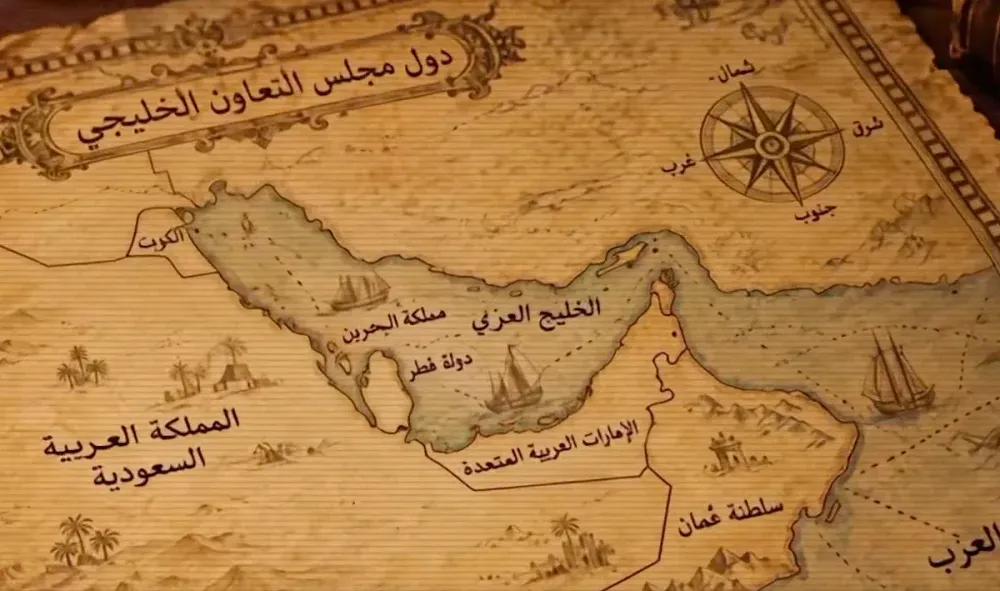
The timing of the message carries particular significance as Gulf Cooperation Council member states confront shared security threats. The six-nation alliance, comprising Bahrain, Kuwait, Oman, Qatar, Saudi Arabia and the United Arab Emirates, was originally established in May 1981 in response to regional tensions including the Iranian Revolution and the Iran-Iraq War, with collective security as a primary concern.
Sheikh Mohammed emphasized that the region's greatest achievement extends beyond economic development.
The biggest achievement this region has made is investing in people, deepening love for the homelands and promoting the values of coexistence and tolerance among all those who have visited the Gulf, worked and shared in its journey.
Shared bonds stronger than divisions
The Dubai Ruler outlined the fundamental connections uniting Gulf nations.
If nations are built on history, then history binds us together. If they are united by geography, then the sea connects us and the desert embraces us. If nations are brought together by blood and ancestry, then we share far-reaching family ties and common roots. And if they are built on shared ambitions and interests, then our aspirations are lofty and our goals are one.
Sheikh Mohammed directly addressed social media posts attempting to create rifts among Gulf states.
They will never be able to erase centuries of neighbourly ties, alter the realities of geography or rewrite the facts of our shared ancestry. For what brought the Gulf together was not political agreements, but generations who lived along its shores, mothers who prayed to the Almighty for the safe return of their sons, and fathers united by faith on its land.
The message comes amid growing calls for unity across Gulf social media platforms. Dr. Anwar Gargash, diplomatic adviser to the UAE President, had called on Gulf nationals on October 17 to rise above social media disputes, warning that the region was passing through a "pivotal stage that demands awareness and responsibility from us all." Dr. Gargash has been addressing disinformation campaigns targeting the UAE since at least August 2026, when he dismissed false claims about residency visa cancellations and financial support to Iran.
Saudi Prince Abdulrahman bin Musaad, a prominent poet drawn into online poetry comparisons, similarly urged focus on unifying factors.
My advice is that we seek out and highlight what unites us, not what divides us. We should promote opinions that bring people together and set aside those that drive them apart.
Unity through diversity
Sheikh Mohammed clarified that his vision of unity does not require erasing distinct national identities.
I do not speak here of a union between our states, or of disregarding the unique characteristics of our experiences, but rather of our convergence and cooperation, of managing our differences, of strengthening our institutions, of coordinating our efforts.
He emphasized that the Gulf Cooperation Council's charter, which aims to strengthen relations among members and promote cooperation among citizens, provides a framework for unity that respects diversity.
Unity does not mean opening borders; it means bringing hearts together. Strength does not lie in eliminating differences, but in managing them in a way that creates renewed vitality. When different rivers flow into the same sea, they do not lose their names; instead, they create an ocean of opportunities, wealth and strength.
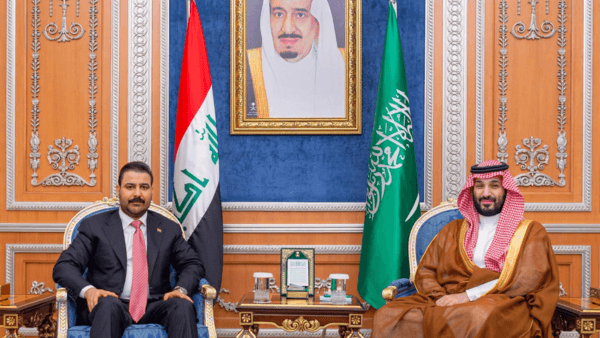
The message gained additional diplomatic weight as it coincided with a meeting on October 19 between UAE President Sheikh Mohamed and Saudi Minister of Defence Prince Khalid bin Salman. Dr. Gargash described the meeting as affirming "the depth and solidity of Emirati-Saudi relations," demonstrating concrete cooperation between the Gulf's two largest economies.
Sheikh Mohammed concluded with an expression of confidence in the region's future.
By the will of Allah, the Gulf will endure — with its deserts, its people, its sea and its ports; with its projects and the determination of its generations; and with its horizons across which our dreams will soar in hopes that our Gulf may remain united and our people one, proclaiming in an unceasing voice: 'I am a Gulf Arab, and I am proud to be one.'
The letter underscores how geography, history and shared challenges continue to bind the Gulf states together, even as they navigate complex regional dynamics and the divisive potential of digital communications.