Latin America Expands Middle East Ties Through Israel Accords and Gulf Cooperation
Latin American governments are pursuing new agreements with Israel and closer cooperation with Gulf states in 2026, combining diplomatic initiatives with interests in energy, food, technology and security. A November 5 analysis by Future for Advanced Research and Studies describes a broader pragmatic turn in the region's relations with the Middle East, including Iran.
 Sara Khan
Argentina advances the Isaac Accords
One of the year's main initiatives came on April 19, when Argentine President Javier Milei and Israeli Prime Minister Benjamin Netanyahu launched the Isaac Accords in Jerusalem. The initiative draws on the Abraham Accords model to expand Latin American cooperation with Israel in diplomacy, trade, culture and strategic affairs. It also calls for joint action against terrorism, antisemitism and drug trafficking, and is open to countries that share those commitments.
Argentina and Israel accompanied the launch with specific bilateral measures. Foreign Ministers Gideon Sa'ar and Pablo Quirno Magrane signed an artificial intelligence memorandum covering supercomputing infrastructure, civilian uses of AI, workforce development and joint research. Milei also announced that Argentina would relocate its embassy from Tel Aviv to Jerusalem. El Al plans to begin nonstop service between Tel Aviv and Buenos Aires in December 2026, marking its first South American route.
The Genesis Prize Foundation helped put the initiative into practice by establishing the nonprofit American Friends of Isaac Accords and supplying $1 million in seed funding. The foundation had awarded Milei its 2025 Genesis Prize. The new nonprofit's initial projects were in Panama and Costa Rica.
An investment component followed in June, when Israel and the Inter-American Development Bank signed a nonbinding letter of intent for an Isaac Accords-linked framework serving Latin America and the Caribbean. Israeli Finance Minister Bezalel Smotrich identified agriculture, food security, water, energy, digital systems and technology as its intended areas of focus.
Colombia changes course on Israel
Colombia made a separate diplomatic shift after the government of far-right President Abelardo de la Espriella took office in August. On August 10, its Foreign Ministry recognized Israeli sovereignty over the Syrian Golan Heights, becoming only the second country to do so after the United States in 2019. The ministry also affirmed Israel's right to defend itself against external threats.
De la Espriella's government canceled former President Gustavo Petro's plan for an embassy in Ramallah in the occupied West Bank. It also pledged to restore diplomatic relations with Israel, which Petro had severed during the Gaza war.
The Future for Advanced Research and Studies analysis places such changes within a wider political and security picture. It identifies the arrival of new political currents in Latin American governments and pressure from President Donald Trump as factors shaping the region's Middle East policies. It also notes that some Latin American countries have banned Muslim Brotherhood branches and designated them as terrorist organizations.
For some countries, cooperation with Israel centers on military and security interests, particularly intelligence and security technology. The analysis also identifies information technology and defense systems among the Israeli capabilities Latin American governments seek to draw on.
Energy, food and technology shape engagement
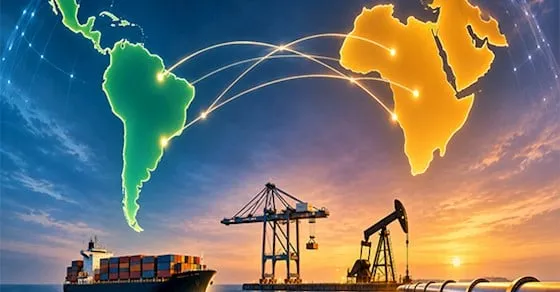
The region's outreach extends beyond Israel. According to the analysis, oil, gas and food have become especially prominent in relations with the Middle East following the US-Israeli-Iranian war, alongside cybersecurity and artificial intelligence. It argues that the Strait of Hormuz crisis triggered by the US-Iranian war has reshaped the global energy map, creating spillover effects that Latin American countries are seeking to capitalize on.
Food security and agriculture are central to expanding economic and technological ties with Gulf states. Large Arab communities in Latin America also help sustain engagement with Middle Eastern issues, serving as a bridge between the regions.
Regional diplomacy is developing alongside bilateral agreements. The Community of Latin American and Caribbean States, or CELAC, is working to broaden diplomatic contacts and technical, political and economic cooperation with key countries across the Middle East and North Africa. The analysis describes a growing mix of cross-sector initiatives and more specialized forums.
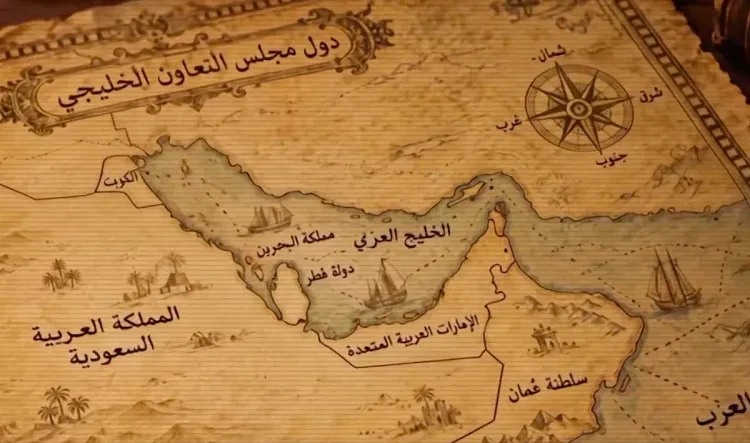
Gulf cooperation gains institutional channels
An agreement signed October 8 established a lasting framework for cooperation between Gulf legislative councils and the geopolitical group of Latin American and Caribbean countries.
Another regional forum is scheduled for November 20-21 in Cap Cana, Dominican Republic. The World Government Summit Organization announced the World Government Summit Dialogue 2026 for Latin America and the Caribbean on June 27.
The meeting will be the dialogue's second edition, following the inaugural event in Punta Cana on October 2-3, 2025. Organizers expect more than 70 speakers, representation from more than 30 countries and participation by more than 120 companies. The program is expected to include more than 30 sessions and more than 10 high-level meetings.