Iran disputes report of Qatari peace offer as regional talks divide hardliners
Qatar's latest mediation effort drew conflicting accounts from Iranian officials on Wednesday: one said Doha had delivered a draft peace agreement, while a senior official involved in the negotiations said Tehran had received only ideas it rejected. The dispute comes amid divisions in Iran over regional diplomacy and its ties to Yemen's Houthis.
 Sara Khan
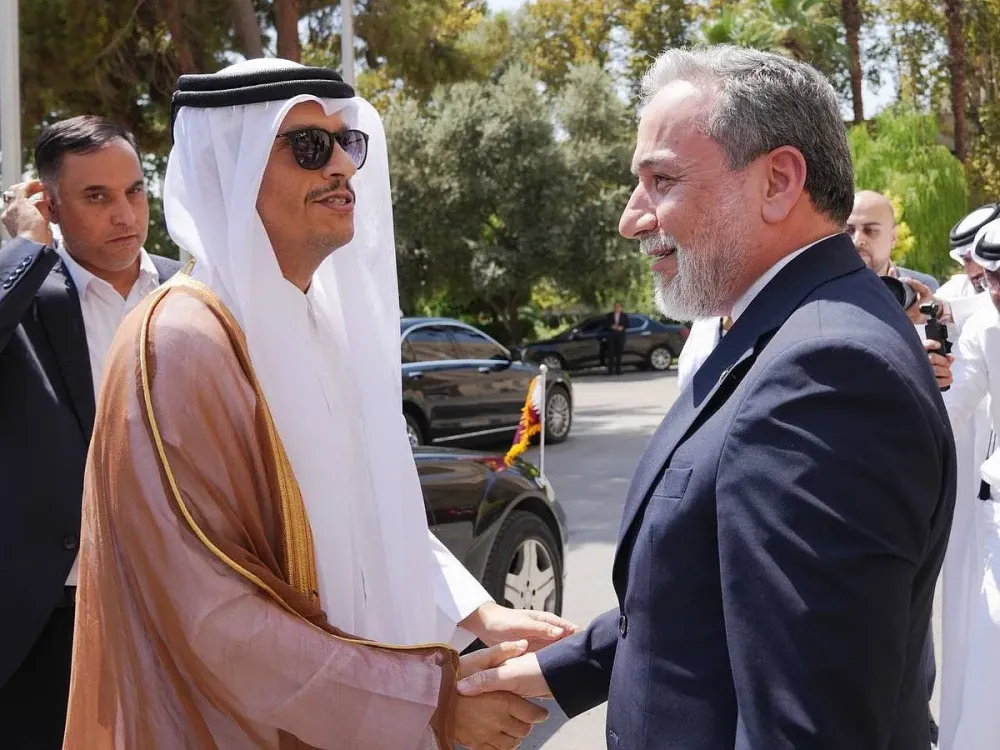
Disagreement over what Qatar presented
The senior Iranian official told Reuters that Qatar had submitted "unacceptable ideas and not an offer" to end the war with the United States and Israel. The official also said Tehran remained unwilling to show flexibility on its nuclear program.
Earlier Wednesday, Reuters had cited a different official briefed on the negotiations who said Qatari mediators delivered a draft agreement on Sunday. That account described seven days of confidence-building steps, with Washington and Tehran taking measures each day and several countries potentially providing guarantees.
The two sides also differ over where negotiations should begin. Washington wants the nuclear program on the agenda from the outset; Tehran demands an end to the US blockade of Iranian ports and sanctions on its oil exports.
Qatar and Pakistan previously mediated a 14-point interim agreement signed by Iran and the United States in June 2026. According to the BBC and RFE/RL, that memorandum of understanding stipulated that Iran would never possess a nuclear weapon and that the United States, Iran and their allies would halt military operations on "all fronts". Its provisions included ending the US naval blockade and other sanctions, but the agreement collapsed after both sides resumed strikes.
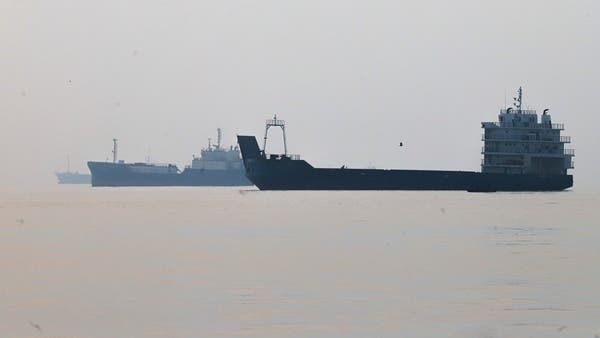
Another initiative met a public rejection from US President Donald Trump. The BBC reported on September 26 that he had rejected Iran's proposal to reopen the Strait of Hormuz to commercial shipping within seven days. Iranian Foreign Minister Abbas Araghchi said no official rejection had reached Tehran through mediators and that Iran would wait for their definitive response.
Regional envoys meet in Tehran
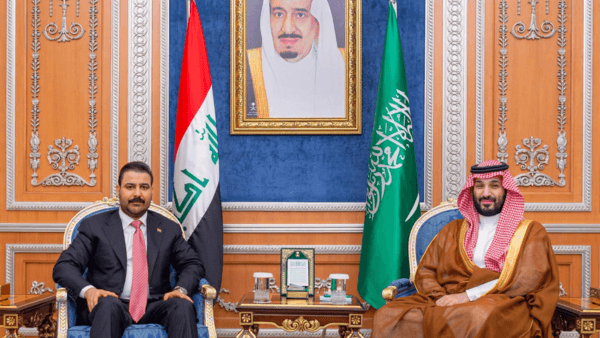
A separate diplomatic effort brought senior Saudi, Pakistani and Turkish officials to Tehran on Monday, October 26. Al Jazeera reported that Mohsen Rezaei, secretary of Iran's Supreme National Security Council, hosted Saudi Defense Minister Khalid bin Salman Al Saud, Pakistani army chief Asim Munir and Turkish intelligence chief Ibrahim Kalin for discussions on regional peace and security.
A Pakistani official told Al Jazeera that Munir had Trump's blessing to present a proposal offering something to both Washington and Tehran. If Iran accepted, the official said, Qatar and the Mecca pact countries could serve as guarantors. The participants announced no specific agreements, issuing a statement pledging further dialogue instead.
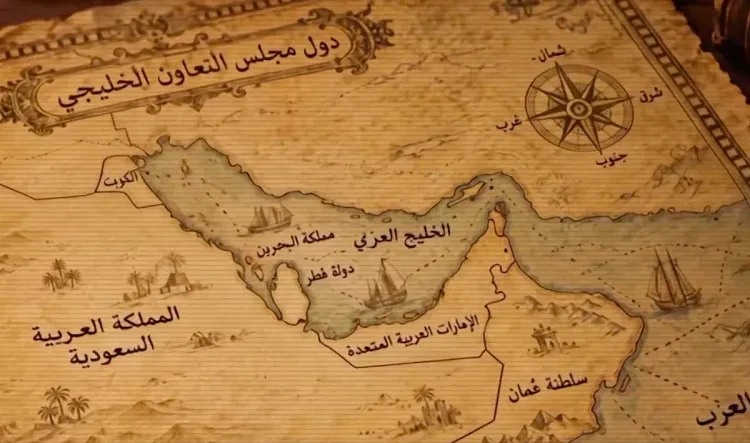
The Mecca Joint Defence Agreement links Saudi Arabia, Pakistan and Turkey through a provision treating an armed attack on one member as an attack on all, similar to NATO's Article 5. Turkish President Recep Tayyip Erdogan, Saudi Crown Prince Mohammed bin Salman and Pakistani Prime Minister Shehbaz Sharif signed it in Mecca on August 7, 2026. According to RFE/RL and Al Jazeera, Pakistan had approved the pact by late October, while ratification was still proceeding in Turkey's parliament.
Houthi ties divide Iranian commentators
Media reports described competing interpretations of Monday's meeting inside Iran. Some commentators saw the visit as acknowledgment of Tehran's regional influence; others suspected an effort to loosen its relationship with the Houthis.
Among the skeptics was Hossein Shariatmadari, managing editor of the hardline newspaper Kayhan. In a commentary titled "Tehran Summit: Water or Mirage?", he argued that working with Mecca pact countries could expose Iran to pressure to distance itself from the Houthis. He insisted that Tehran would not abandon them.
Heshmatollah Falahatpisheh, a former chairman of parliament's national security committee, said the visitors were more immediately concerned with Yemen than with Iran's confrontation with Washington. "As long as the Yemen issue remains unresolved, the Iran issue will not be put on the agenda," he told Khabar Online.
The BBC reported that the Iran-aligned Houthis captured strategic stretches of Yemen's Red Sea coastline in October 2026, including Mokha, a port overlooking the Bab al-Mandab Strait. The group also intensified attacks aimed at disrupting Saudi oil exports through the Red Sea.
On October 26, Egypt's parliament authorized President Abdel Fattah al-Sisi to provide military support to Saudi Arabia against Houthi attacks, approving the measure by a two-thirds majority, according to AFP/France 24. Sisi said any support would be defensive and would not involve attacks on Yemen. Egypt has not joined the Mecca pact.
Assurances sought as military threats remain
The question of guarantees extends beyond who might oversee an agreement. Iranian commentators have questioned whether regional governments could ensure that the United States and Israel would not attack again. Maryam Salari, diplomatic editor of a state-run Iranian newspaper, argued that Tehran needed to know what protection against another war it would receive in exchange for concessions.
Former Iranian Foreign Minister Mohammad Javad Zarif advocated a regional security framework built on non-aggression and confidence-building.
Trump, meanwhile, left open the possibility of new strikes against Iran after next week's US midterm elections. "I can't tell you that," he told reporters who asked about possible attacks. "But anything is possible." He asserted that Tehran wanted a deal but suggested its leaders might be holding off on negotiations until after the vote.
Israeli Prime Minister Benjamin Netanyahu described a historic opportunity for Israel, working alongside Trump, to eliminate what he called the Iranian threat "once and for all". He made the remarks amid political uncertainty after Israel's parliamentary election produced no conclusive result.