Gargash urges diplomacy to avert prolonged conflict as US-Iran talks continue
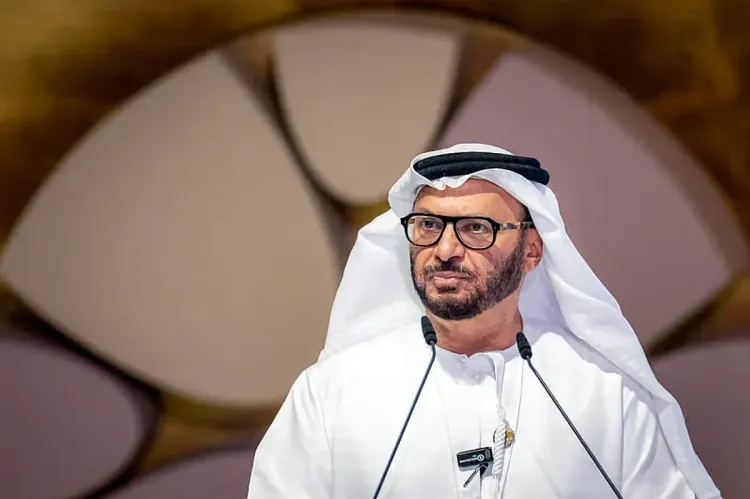
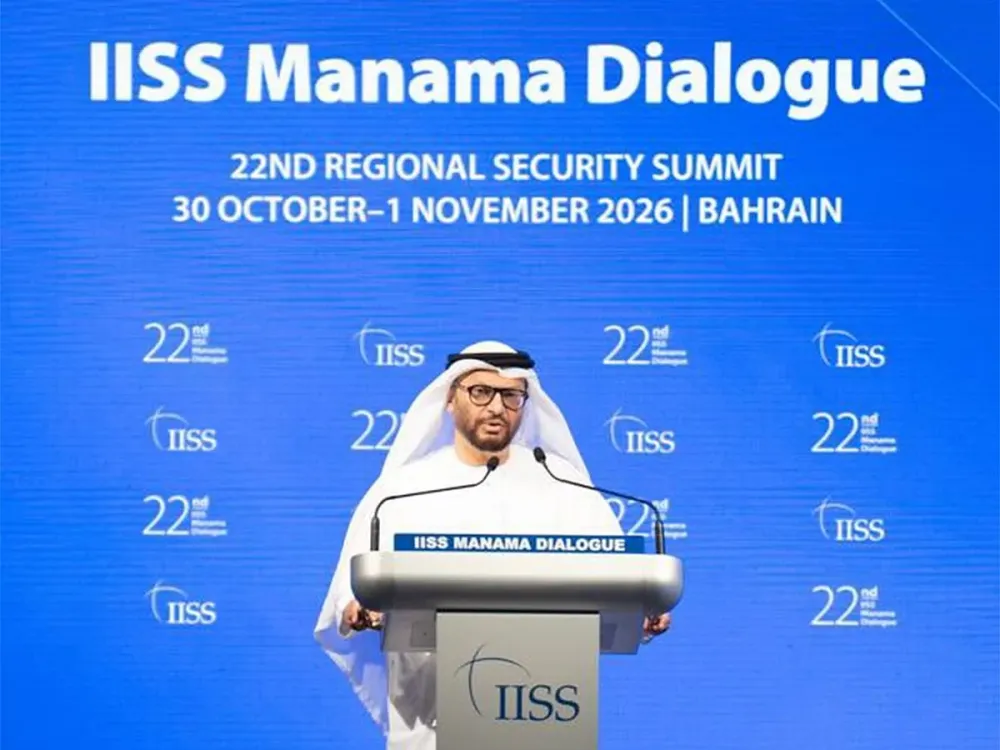
UAE presidential diplomatic adviser Anwar Gargash called for a political path out of the region's conflicts at the IISS Manama Dialogue on November 1, 2026, expressing hope for a diplomatic breakthrough while saying his country was ready to defend itself if hostilities resumed.
 Sara Khan
Diplomacy and defense readiness
Addressing the conference's closing session, Gargash urged governments to put political and diplomatic solutions first to avoid drawn-out confrontations and advance regional security, stability and prosperity. His remarks came as diplomatic efforts sought to prevent renewed fighting between the United States and Iran.
Gargash said the UAE remained prepared to safeguard its security and development achievements. Asked whether it was communicating with Tehran, he replied: "Of course, we are talking to Iran. All Gulf countries are talking to Iran through different channels."
The session, titled "Global Security Governance: Inclusion and Agency", also featured Bahrain's Foreign Minister Abdullatif bin Rashid Al Zayani and Armenian Foreign Minister Ararat Mirzoyan. In a post on X about his participation, Gargash described the region as being at a pivotal moment and praised Bahrain's leadership and people for their steadfastness and defense of the kingdom's sovereignty.
Gulf cooperation and security partnerships
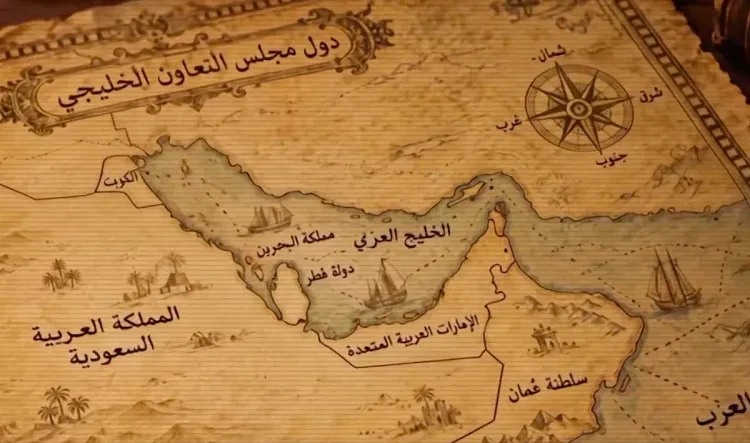
Gargash distinguished between Gulf states' individual responses to the crisis and their collective response through the Gulf Cooperation Council. Countries had defended themselves independently or through bilateral cooperation, he said, but the GCC had "not risen to the challenge" as a group.
Declarations of solidarity were insufficient, he warned. Calling for "rebuilding Gulf confidence", he said trust in the GCC's capacity to handle a crisis of this scale had sometimes proved "hollow".
He also said the US-Iran crisis had underscored how central the UAE's strategic relationship with Washington was to its security. Alongside the UAE's own military capabilities and political will, that partnership was particularly important to its ability to defend its sovereignty.
Bahrain sets out terms for regional cooperation
Al Zayani used the concluding session to propose a regional security framework requiring respect for sovereignty, non-interference in other countries' affairs, freedom of navigation and rejection of threats or force. Iran could participate if it followed those principles, he said, stressing that membership would mean shared rules rather than exceptions, and action rather than statements of intent.
According to Asharq Al-Awsat, Al Zayani said GCC countries and Jordan had faced nearly 7,000 attacks using ballistic missiles, drones and cruise missiles. Civilian and economic infrastructure, including airports, ports and data centers, had been targeted.
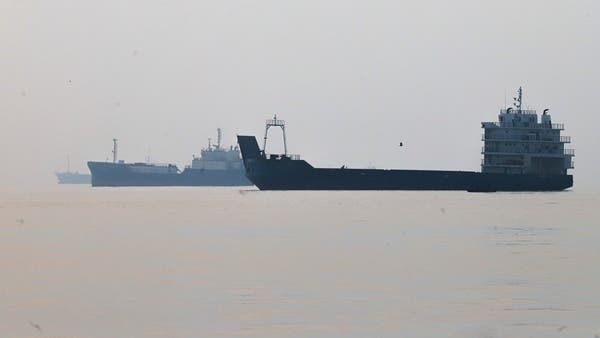
He also described the disruption to shipping: about 1,600 vessels had been held up in the Strait of Hormuz since the crisis began, while more than 23,000 seafarers had been denied freedom of movement. He said the disruption threatened food security for as many as 45 million people, most of them in the Global South.
Bilateral discussions also took place during the conference. Armenia's Ministry of Foreign Affairs said Mirzoyan met Al Zayani on October 31 to discuss developing Armenia-Bahrain relations, advancing pending international agreements to expand their legal framework, and promoting tourism and investment. Their talks also covered cooperation between the Manama Dialogue and Yerevan Dialogue diplomatic forums.
Negotiations over the Strait of Hormuz
The National reported that the US-Iran war began in February 2026 with US and Israeli airstrikes on Iran. Tehran retaliated against all six Gulf states and Jordan. An interim agreement in June produced neither a lasting ceasefire nor a return to normal shipping through the Strait of Hormuz.
Iran had effectively closed the route since March, while a US counter-blockade had squeezed Iranian oil exports, according to The National. As of November 1, Tehran had proposed reopening the strait within seven days in exchange for Washington lifting its blockade of Iranian ports.
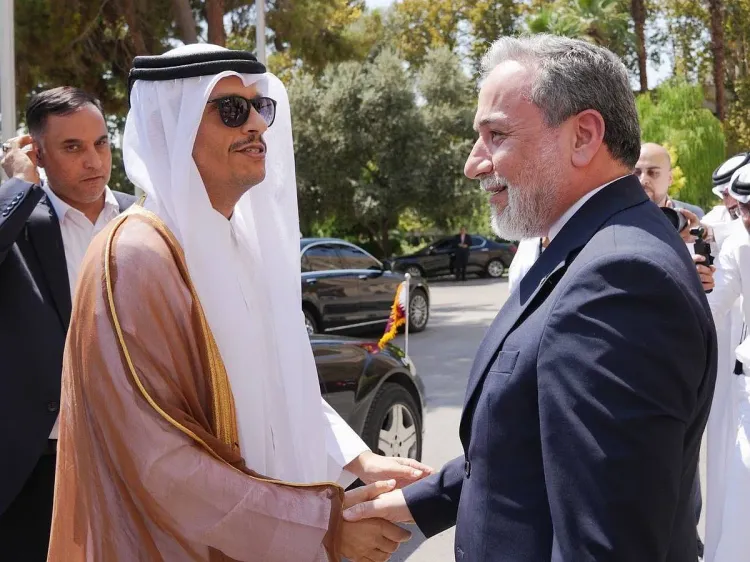
Qatari mediators returned to Tehran on Friday, October 30, in another effort to reach a deal. The two sides remained at odds over the sequence: whether nuclear negotiations should come first or whether relief from the blockade and oil sanctions should precede them.