Jordan-Syria ties at 30-year high despite air strikes, former prime minister says
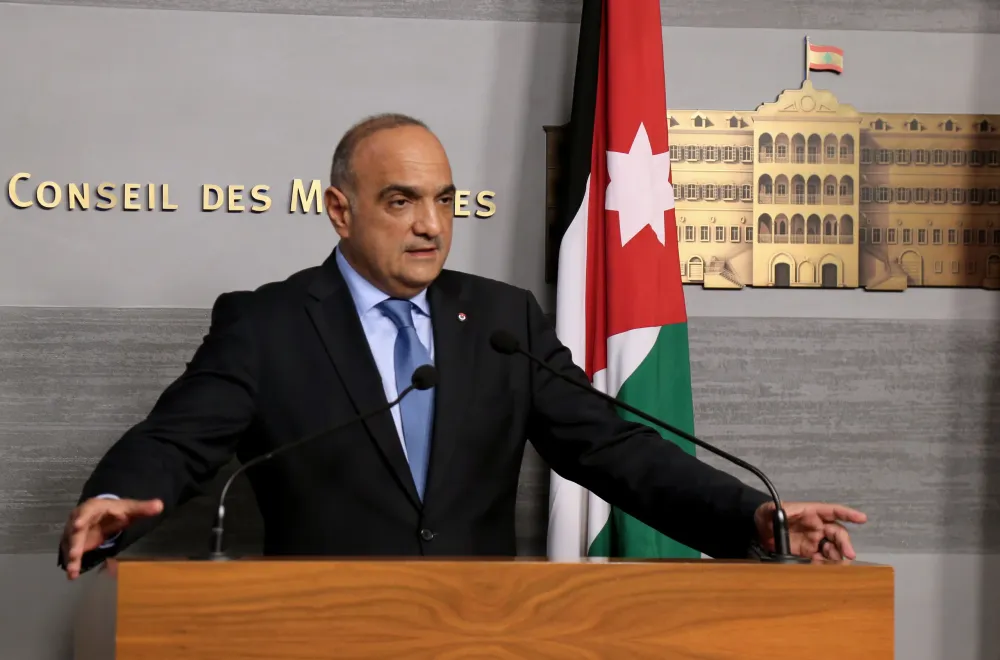
Former Jordanian prime minister Bisher Al Khasawneh says relations with Syria are stronger than at any point in at least 30 years, despite an October 26 air raid that killed at least seven people in southern Syria and strained ties.
 Sara Khan
Diplomacy and border cooperation
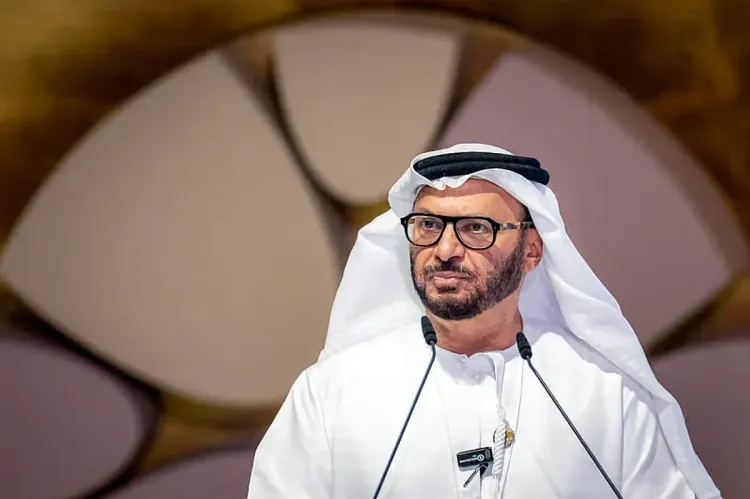
Al Khasawneh spoke to The National on Monday at the Abu Dhabi Strategic Debate as Jordanian Foreign Minister Ayman Safadi made his first visit to Damascus since the strikes. Jordan said it had targeted ISIS militants in response to a church shooting three days earlier.
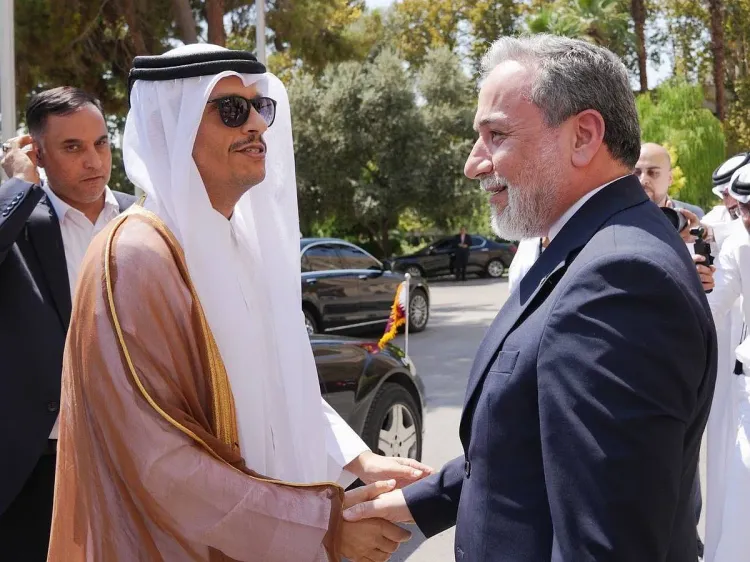
The visit included a meeting of the Syrian-Jordanian Higher Co-ordination Council. According to Al Khasawneh, the council brings together half a dozen ministers from the two countries to discuss bilateral relations and cooperation on security and military matters.
"The relationship between Syria and Jordan has not been better since at least three decades, reaching a very, very high point in progressive and improved relations with Syria," he said.
Al Khasawneh, who served as both prime minister and defense minister from 2020 to 2024, contrasted current border cooperation under Syrian President Ahmad Al Shara with the difficulties Jordan faced under Bashar Al Assad. For much of the past 15 years, he said, Syrian authorities lacked operational control of the frontier, leaving Jordan's army to police both sides as drugs, particularly Captagon, and munitions crossed the border.
Assad's government, ousted in December 2024, was known for producing Captagon and exporting it to countries including Jordan, Lebanon and Saudi Arabia. Al Khasawneh said conditions have improved under Al Shara, although the 360-kilometer border remains incompletely secured. Jordan's assistance to Syria includes security support, administrative help, diplomatic training, institution-building and electricity supplies.
An attempted crossing last month illustrated the continuing security challenges. Jordan's military said border guards stopped 14 armed men trying to enter from Syria. Some were wounded in the confrontation and returned to Syrian territory.
Church attack and the continuing ISIS threat
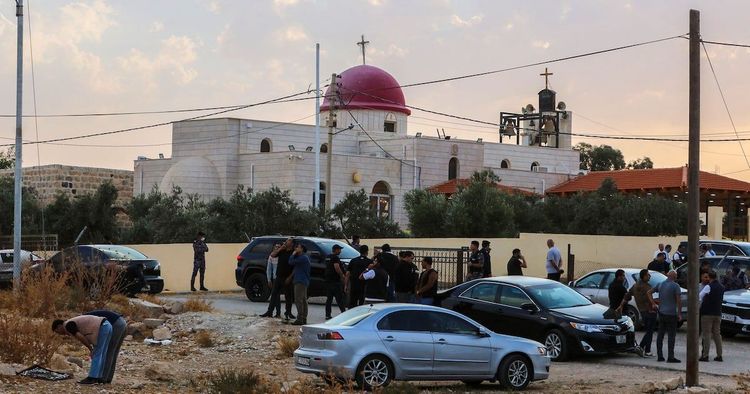
The October 23 shooting at St George's Greek Orthodox Church in Hamoud, Karak, killed nine Christians and wounded 34, according to The National. It was the deadliest attack on Jordan's Christian minority since the 1950s. The community numbers about 250,000 in a country with a population of 11 million.
On November 3, authorities announced that prosecutors had charged three suspects with terrorism offenses and referred their case to the State Security Court. The charges included nine counts of carrying out terrorist acts resulting in death.
In a separate attack in Amman earlier this month, one Jordanian police officer was killed and another wounded. Authorities described it as a "cowardly terrorist attack".
Al Khasawneh said renewed terrorist activity in Jordan showed that ISIS remained a threat despite its territorial defeat in 2019. Dispersed groups could reactivate cells through the decentralized methods they adopted after losing territory, he said.
"The seeds and grounds are still there and the groups that had territorial control in Syria and Iraq are down but not out," he said.
Regional defense discussions
Threats from the Iran war have prompted countries across the region to pursue closer military and defense coordination. Saudi Arabia, Pakistan and Turkey signed the Makkah Joint Defence Agreement, and Syria's foreign minister said last week that Damascus was considering joining.
An Associated Press report published around November 8-9 cited two Syrian officials as saying Syria had decided to join the agreement. A regional official, however, said discussions were still underway.
Al Khasawneh declined to speculate on whether Jordan was holding similar discussions. He described the security of the Gulf Cooperation Council as a pillar of Jordan's own national security, rather than merely a symbolic commitment, and said Jordan had "shown that our assets and soldiers are shoulder to shoulder with the GCC and other countries".