Lock Upp controversy raises questions about consent versus intent in public interactions
The dispute between Ram Kapoor and Shreya Kalra on Netflix's Lock Upp Season 2 has sparked a wider conversation about personal boundaries, with the veteran actor's wife defending his character while the contestant maintains her discomfort was valid.
Lock Upp controversy raises questions about consent versus intent in public interactions
A controversy unfolding on Netflix's reality competition Lock Upp Season 2 has moved beyond the show's confines to ignite a broader discussion about consent, personal boundaries, and the difference between intent and impact in social interactions.
The dispute centres on veteran television actor Ram Kapoor and contestant Shreya Kalra, who alleged that Kapoor kissed her on the cheek without consent after she won a task and saved him from elimination. Speaking to fellow contestant Shilpa Shinde, who entered the show as its first wildcard entry in Episode 7, Kalra said she was uncomfortable with his repeated displays of physical affection. She warned that if he attempted to kiss her again, she would stop him, adding that even her father did not kiss her as often.
The jail-themed reality show, which premiered on Netflix on June 27, 2026, features 15 celebrity contestants competing for a prize of ₹1 crore while living in a prison-like setup where they must earn basic necessities, perform tasks, and reveal personal secrets to avoid elimination. The show is hosted by Farah Khan and Riteish Deshmukh, marking a shift from Season 1, which was hosted by Kangana Ranaut on ALTBalaji and MX Player.
A pattern of behaviour
The incident gains additional significance when viewed alongside a previous controversy from June 2025. Kapoor was removed from promotional duties for his web series Mistry after allegations emerged that he made sexually inappropriate remarks during media interviews. Rather than denying the allegations, Kapoor admitted his guilt, stating that everything he had been accused of saying was true. He described his remarks as reflecting his uninhibited personality and acknowledged that younger colleagues may have experienced those interactions differently.
One of the highest-paid television actors in India, Kapoor has won three Indian Telly Awards consecutively from 2006 to 2008 and is known for his roles in Kasamh Se and Bade Achhe Lagte Hain. His professional stature adds another layer to the current dispute, raising questions about power dynamics in such interactions.
Defence and debate
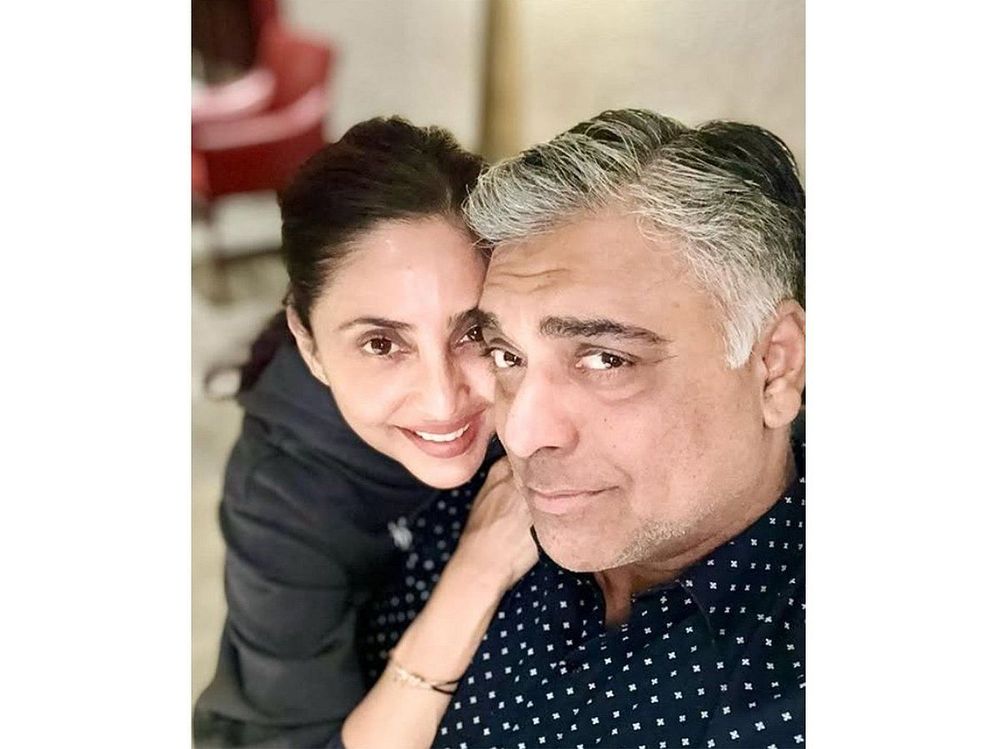
Following the allegations, Kapoor's wife, actor Gautami Kapoor, posted a video defending him. She described her husband as being affectionate by nature and argued that if he had truly behaved inappropriately, fellow contestants would have objected earlier. She also reminded viewers that reality television is heavily edited and that audiences only see carefully selected moments.
Her response reflects a common pattern in such controversies: the conversation often shifts from examining the experience of the person raising concerns to defending the character of the person accused. Questions about intent, personality, and context frequently overshadow discussions about impact and boundaries.
Intent versus impact
The distinction between intent and impact lies at the heart of evolving conversations around consent. Someone may not intend to make another person uncomfortable, yet that does not automatically invalidate the discomfort experienced. The central question is no longer simply whether someone acted with malicious intent, but whether they recognised and respected another person's boundaries.
Gautami Kapoor's assertion that her husband is affectionate by nature and that editing may have distorted the full picture may both be true. Yet editing does not negate the fact that Kalra publicly expressed discomfort, and that expression deserves consideration regardless of Kapoor's intent.
This reflects a broader shift in public discourse. Recognising that someone can mean no harm while another person genuinely feels uncomfortable does not require declaring guilt or ignoring context. It simply acknowledges that explaining behaviour as being characteristic of someone's personality is no longer sufficient to end the conversation.
Beyond the show
Consent and personal boundaries extend beyond extreme situations into everyday life: workplaces where concerns are dismissed as overreaction, film sets where casual comments go unchecked, and moments meant to celebrate that nonetheless make someone uncomfortable. The reflexive explanation that someone's discomfort should be overlooked because of how the other person typically behaves is precisely what deserves questioning.
Lock Upp was created by television producer Ekta Kapoor and is produced by Endemol Shine India. Season 1, which premiered in February 2022 and crossed 100 million views in 19 days, was won by comedian Munawar Faruqui. The current season releases new episodes at 8 PM IST six days a week on Netflix, with the finale scheduled for August 5, 2026.
Whether audiences agree with Kalra's reaction or not, she articulated something that deserves to be heard on its own terms: she felt her personal space had been breached. The subsequent debate serves as a reminder that respect begins when the focus shifts from debating whether someone meant to offend to paying attention to how their behaviour was received.