Pompeii Out of Time review: Tom Hiddleston's documentary resurrects the forgotten voices of Vesuvius
The three-part National Geographic docudrama blends dramatic reconstruction with historical investigation to tell the human stories behind Mount Vesuvius' catastrophic 79 AD eruption, focusing on individual survivors and victims rather than just archaeological ruins.
Pompeii Out Of Time review: Teary Tom Hiddleston looks beyond Vesuvius' ashes to find the forgotten people
Pliny the Younger, writing approximately 30 years after the catastrophe at the request of historian Tacitus, left what remains the only detailed eyewitness account of Mount Vesuvius' eruption:
In the darkness you could hear the crying of women, the wailing of infants, and the shouting of men. Some prayed for help. Others wished for death.
Now, National Geographic's latest three-part docudrama Pompeii Out of Time, which premiered July 22 and began streaming July 23 on Disney+ and Hulu, attempts something equally ambitious: reconstructing those final moments not through sweeping aerial views, but through the lives of actual people who lived and died when the volcano exploded.
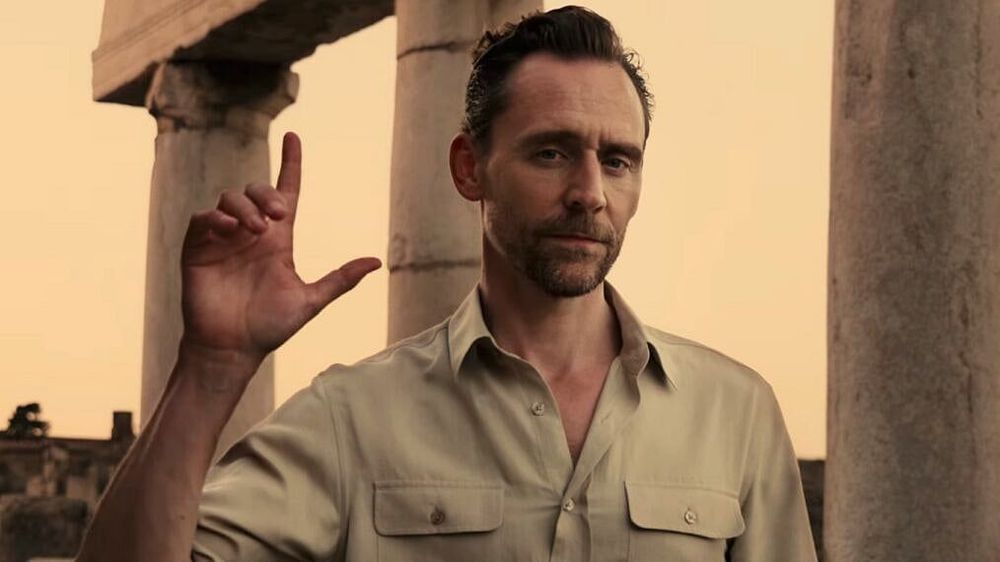
Host Tom Hiddleston, visibly emotional throughout the series, guides viewers beyond the tourist attraction that now draws approximately 2.5 million visitors annually to the UNESCO World Heritage Site. The production fuses cinematic scripted drama with investigative documentary storytelling to restore names and narratives to those who became archaeological statistics.
Beyond the ashes
Pompeii was more than ruins preserved under volcanic debris. It was a thriving city with an estimated population between 10,000 and 20,000 residents when Vesuvius erupted around 1 PM on August 24, 79 AD. The vast majority likely escaped during the approximately 24-hour catastrophe, which began with a Plinian eruption shooting volcanic material up to 20 miles into the atmosphere before deadly pyroclastic surges struck at dawn.
Yet estimates of the death toll vary dramatically, ranging from 1,500 to as high as 16,000 across Pompeii, Herculaneum and surrounding settlements. The exact number remains unknown, but over 1,000 bodies have been uncovered, their final moments preserved through Giuseppe Fiorelli's technique of pouring liquid plaster into cavities left in volcanic ash where bodies decomposed.
The documentary begins with Hiddleston acknowledging his 17-year-old self's first visit to the dead city, then shifts into a format that balances scholarly investigation with dramatization. He consults experts labeled as classicists, geoscientists, and psychologists to explore everything from the eruption's timeline to the trauma responses of those fleeing the disaster.
Three lives reconstructed
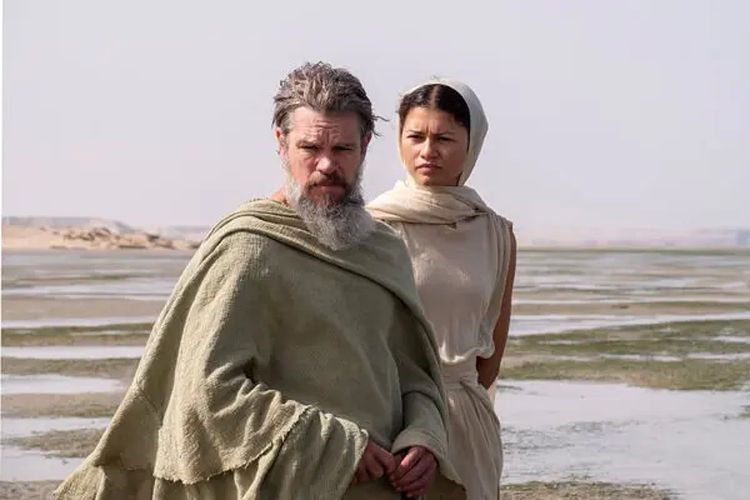
Using inscriptions and archaeological evidence, Hiddleston anchors his narrative in three figures: a boy named Avianus, businesswoman Julia Felix, and an unnamed soldier. Historical records confirm that Julia Felix owned a substantial commercial-residential complex occupying an entire city block, which she converted after the 62 AD earthquake into a multifunctional property featuring public baths, rental apartments, shops, and gardens.
The dramatic reconstructions inevitably blur into fiction where inscriptions end and imagination must fill gaps. Avianus faces conflicts with his blacksmith employer before rushing to save his mother. Julia wishes well for others while neglecting her own escape. These narrative choices, while sometimes veering into cliché, serve the documentary's larger purpose: restoring emotional truth to people reduced to plaster casts.
The series employs techniques that occasionally undermine its serious intent. Hiddleston carries a countdown watch as volcanic material falls around him on what appears to be a shaking set. The theatricality sometimes overwhelms the history, particularly when the host appears to sit beside the exploding volcano itself.
The weight of memory
Yet the documentary's greatest strength emerges from its willingness to imagine community and rescue amid catastrophe. Even when specific details cannot be verified, the attempt to give these people personalities and emotional lives prevents them from remaining merely archaeological specimens frozen in their final postures.
In one powerful sequence, Hiddleston walks among the modern plaster casts, confronting viewers with the physical reality of those last moments. The bodies, preserved through cavities in volcanic ash that were later filled with plaster to reveal final postures, transform statistics into individuals.
The production also weaves in Hiddleston's own connection to Pompeii's story. The actor previously portrayed the city's destruction via green screen in the second episode of Loki season 1 in 2021, where his character time-travels to Pompeii moments before disaster strikes.
The site itself carries a long history of rediscovery. Architect Domenico Fontana first uncovered remains in 1599 while digging a new course for the river Sarno, though he reburied the artifacts. The first official excavation began in 1748 under survey engineer Rocco Gioacchino de Alcubiere. The Archaeological Areas of Pompeii, Herculaneum and Torre Annunziata received UNESCO World Heritage inscription in 1997.
A flawed but meaningful attempt
Those seeking rigorous archaeological investigation or new scientific revelations may find the documentary's dramatic flourishes excessive. The production trades scholarly precision for emotional accessibility, sometimes sacrificing depth for theatrical impact.
But for viewers interested in the human dimension of historical catastrophe, Pompeii Out of Time offers something valuable: a reminder that behind every archaeological site stood breathing people who made impossible choices under unimaginable pressure. The series ends on a note emphasizing hope and survival, tracing possible paths of those who escaped to build new lives from the ashes.
Whether every dramatized detail proves historically accurate matters less than the documentary's success in restoring humanity to Pompeii's victims and survivors. It resurrects, however briefly, the communities that Vesuvius buried, giving voice to people who have been silent for nearly two millennia.