Dubai Library and Publishing Summit Opens With AI Accountability in Focus
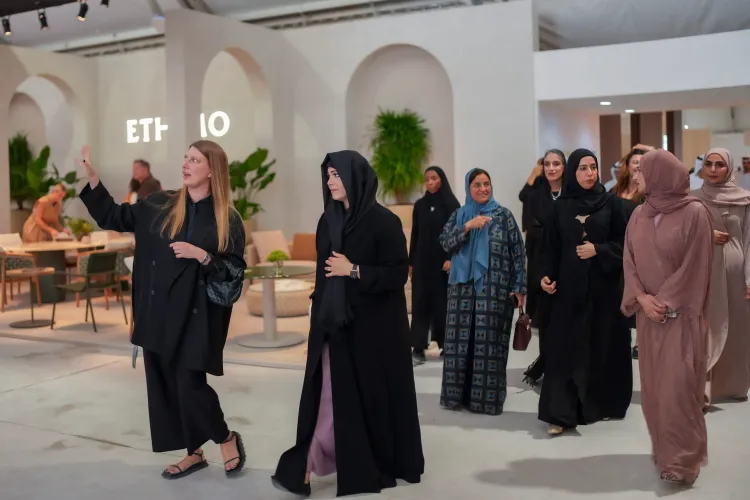
The third Dubai International Library and Publishing Summit opened at Mohammed Bin Rashid Library on November 16, 2026, with a call for knowledge institutions to document their sources, protect content owners' rights and retain human oversight of AI. The two-day event features more than 50 speakers and moderators and over 25 sessions and discussions.
 Mariam Al Mansoori
Trust and responsibility
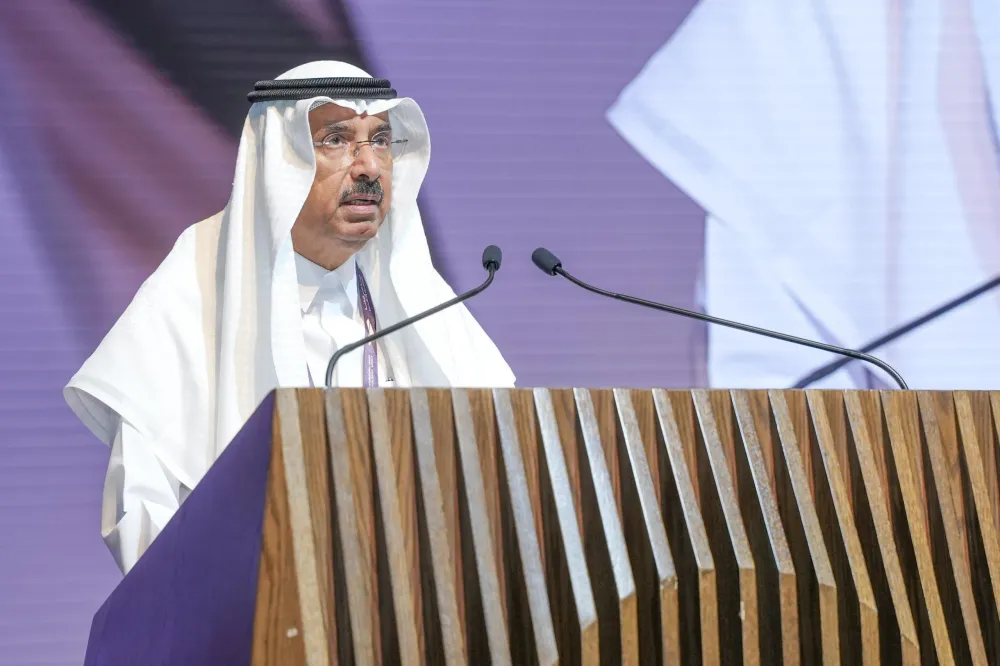
Mohammed Ahmed Al Murr, chairman of the Mohammed Bin Rashid Al Maktoum Library Foundation, inaugurated the summit. His keynote linked trust in knowledge to institutional accountability and called for a stronger digital presence for Arabic and cultural knowledge.
Al Murr said: "By the architecture of trust, we mean embedding this responsibility at the heart of designing the systems that produce and make knowledge accessible, while ensuring that the public knows who is accountable for the information presented to them."
He urged knowledge institutions and technology developers to cooperate internationally on making the knowledge ecosystem more reliable and sustainable.
Organized by the library for November 16–17, the summit takes the theme "The Architecture of Trust: AI and the Future of Knowledge Institutions." Its four thematic pillars are "Making Knowledge," "Trusting Knowledge," "Whose Knowledge?" and "Keeping Knowledge." Organizers say they address AI's effects on knowledge production and reliability, cultural identity, linguistic diversity and preservation.
From institutional oversight to Arabic AI
The opening panel, "AI and the Responsibilities of Knowledge Institutions," featured Mohammed Salem AlMazrooei of the Mohammed Bin Rashid Al Maktoum Library Foundation, Younus Al Nasser of Dubai Data and Statistics Establishment, and Abdullah Majed Al Ali of the National Library and Archives. Shatha Amin Al Mulla from the Ministry of Culture moderated.
The next discussion examined changes across the knowledge process, from production and organization to circulation and evaluation. In "AI and the Changing Architecture of Knowledge," the University of Cambridge's Stephen Cave and Mohamed bin Zayed University of Artificial Intelligence's Monojit Choudhury spoke with moderator Fadi Salem of the Mohammed Bin Rashid School of Government.
A Technology Innovation Institute team demonstrated how Falcon models can process Emirati Arabic and handle language content and documents. The presentation was titled "Falcon in Practice: Emirati Arabic AI Across Language, Speech and Documents."
Institutional challenges in responsible AI development and implementation were the subject of "What Does It Take to Develop, Deploy and Sustain AI Responsibly?" Cave also delivered "The Stories We Tell About AI," examining how cultural perceptions and narratives influence public understanding of the technology and expectations for its future.
Preserving memory and shaping stories
Sheikh Sultan Sooud Al Qassemi, Walid Ghali and Stéphane Ipert took part in "When Knowledge Disappears: Preserving Arab and Islamic Cultural Memory." A related session, "What Do We Choose to Keep?," considered cultural institutions' obligations to preserve collections, knowledge and collective memory for future generations.
The program also examined how AI affects the movement of literature and knowledge between languages and cultures in "What Survives Translation? Literature, AI and Cultural Mediation."
Two discussions turned to younger audiences and creative work. "Who is Telling Our Children's Stories?" addressed how authors, publishers and knowledge institutions shape children's content, while "Storytelling, Animation and Machine Imagination" explored AI's influence on storytelling, animation and creative production.
In the evening, Joshua Sternfeld delivered "Can We Trust AI to Tell History?" His talk considered how intelligent technologies affect the interpretation and narration of historical events, including questions about the reliability of accounts and sources.
Arabic Language Award opens submissions
The summit's first day also marked the launch of the 11th Mohammed bin Rashid Arabic Language Award. According to the award's official site, registration and submissions opened on November 16, 2026, and will close on April 4, 2027.
Submission sorting is scheduled for April 19–30, 2027, followed by judging on June 7–27. The winners' ceremony date has not yet been confirmed.
The 10th edition marked a decade of the award and recognized 11 winners, each receiving $70,000, for a total of $770,000, according to the Dubai Media Office. The award is organized by Mohammed Bin Rashid Library and forms part of the Mohammed Bin Rashid Al Maktoum Global Initiatives.
Participating institutions and the previous edition
This year's speakers and moderators represent more than 50 local and international entities. Participating institutions include Zayed National Museum, the Technology Innovation Institute and the Natural History Museum in Abu Dhabi.
The international participants include the University of Cambridge's Leverhulme Centre for the Future of Intelligence, Stanford University, MIT Media Lab, the University of California, Los Angeles, the Hill Museum & Manuscript Library, the University of Lille and Qatar National Library.
The previous summit, held over three days in 2025, drew more than 80 speakers from 20 countries, including five keynote speakers. Its program comprised 48 panel discussions and sessions and more than 20 workshops, according to the Dubai Media Office.
Compared with the first edition, the 2025 event recorded 27.3% growth in registration and a 31.5% rise in attendance and participation. Visitor nationality diversity increased 33%, while the number of international speakers rose 50%.
At this year's opening, organizers honored Emirates NBD as Platinum Sponsor, Clarivate as Silver Sponsor, Emirates as Official Airline Partner, Naseej as Technology Partner, and the Dubai Department of Economy and Tourism as Destination Partner.
November 17 program
The summit continues Tuesday, November 17, with specialists in libraries, publishing, scientific research and technology. Discussions will address Arabic and cultural representation in intelligent machines, trust in knowledge, digital preservation and the development of the digital knowledge ecosystem.