Mother's alert saves 16-year-old son from drug abuse in Sharjah
A Sharjah mother's decision to contact police after spotting warning signs in her teenage son's behaviour helped prevent him from falling deeper into drug addiction, highlighting the importance of early intervention and family vigilance.
Mother's alert saves 16-year-old son from drug abuse in Sharjah
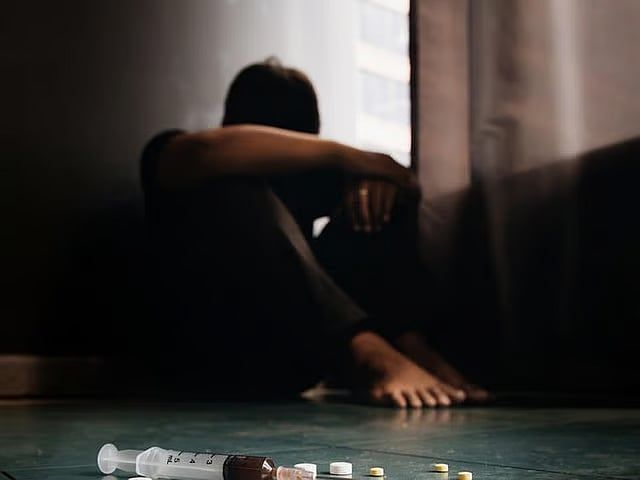
A mother in Sharjah saved her 16-year-old son from drug abuse after noticing alarming changes in his behaviour and seeking immediate help from police, a senior official has revealed.
The case underscores the critical role parents play in detecting early warning signs and taking swift action before drug use escalates into a serious problem.
Brigadier Majid Sultan Al Asam, Director of the Prevention and Drug Control Department at Sharjah Police, said the mother first became concerned when she observed her son sleeping excessively and repeatedly asking for money. Further investigation confirmed that he had begun using drugs.
Initially, she tried to handle the situation privately without informing the father, fearing a harsh reaction. However, she later realised professional intervention was necessary and contacted Sharjah Police.
Police response and family support
Authorities acted immediately in accordance with procedures designed to protect young people and support families dealing with drug-related issues. Officers maintained transparent communication with the teenager's father, inviting him to the department to discuss the case and providing guidance on how best to support his son.
Brigadier Al Asam stressed that the teenager's welfare remained the top priority throughout the process.
The official warned that prolonged parental absence due to work commitments can increase risks for young people, particularly when children spend extended periods under the supervision of drivers or domestic workers. Such circumstances may leave teenagers vulnerable to negative influences and harmful company.
National context and growing challenges
The case comes amid broader efforts by UAE authorities to combat drug abuse. In 2024, the Ministry of Interior recorded 9,774 drug-related reports involving 13,513 suspects nationwide, with over 12 tonnes of narcotics seized.
The UAE adopted the National Anti-Drug Strategy 2024-2031 in November 2024, which aims to achieve a drug-free nation by 2031 and sets targets to reduce drug-related mortality rates and prevalence of abuse.
Drug trafficking networks are increasingly using social media, messaging apps, online gaming platforms and e-cigarettes to target young people, making detection by families and authorities more challenging. This evolving threat landscape makes parental vigilance even more crucial.
According to the UN Office on Drugs and Crime's World Drug Report 2025, more than 316 million people worldwide aged 15-64 used drugs in 2023, representing six per cent of the global working-age population and marking a 28 per cent increase over the previous decade.
Warning signs and early intervention
Brigadier Al Asam urged parents to remain vigilant for sudden changes in their children's behaviour, including social withdrawal, unusual sleeping patterns, declining academic performance, unexplained spending or concerns about places they frequently visit.
He advised families not to ignore these warning signs and to seek professional support immediately, stressing that such cases should not be handled alone at home.
Over the past three years, 328 families have reported their children to Sharjah Police for treatment and rehabilitation, reflecting growing awareness of the importance of early intervention. The youngest drug user on record was 14 years old.
Legal protection for families
The official emphasised that early intervention is among the most effective ways to prevent young people from falling deeper into addiction. UAE law provides legal protection for those who seek help voluntarily or are reported by family members.
Over 576 families across the UAE have utilised Article 89 of the anti-narcotics law over the past five years to report drug-addicted relatives. The provision ensures no criminal proceedings are initiated against those who voluntarily present themselves or are presented by family members for treatment.
In July 2026, the UAE launched a new 24/7 confidential anti-drug helpline called the Hisn service, offering complete privacy and legal exemption from criminal prosecution for those who voluntarily seek help or are referred by relatives.
Specialised treatment and rehabilitation
Brigadier Al Asam noted that many families may lack the specialised knowledge required to handle substance abuse cases effectively. Once a case is reported, the department assesses the situation and, when necessary, refers individuals to specialised treatment centres and rehabilitation clinics across the UAE.
He stressed that timely reporting can play a crucial role in protecting lives and helping teenagers return to a healthy path.
The National Drug Enforcement Authority, established in August 2025 as an independent federal entity, is responsible for developing and implementing anti-drug policies and legislation across the country.
Authorities use AI-supported specialist teams to monitor websites and social media platforms promoting drugs or targeting young people. Police have blocked 3,160 websites linked to illegal drug promotion, financial crimes and criminal exploitation, and work with international agencies to track suspects abroad and dismantle cross-border online drug networks.