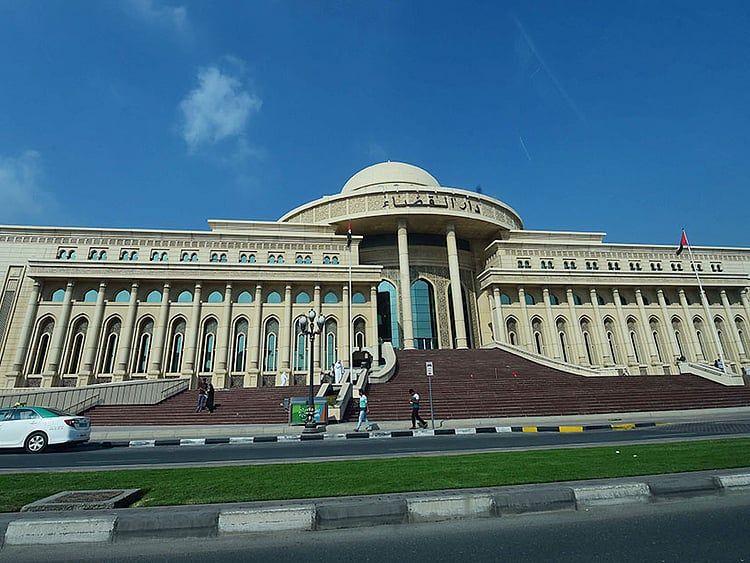
Abu Dhabi court dismisses Dh33 million lawsuit against construction materials firm BILDCO
The Abu Dhabi Commercial Court has rejected claims totalling Dh33 million against Abu Dhabi National Company for Building Materials, ordering the claimant to bear all litigation costs and legal expenses.
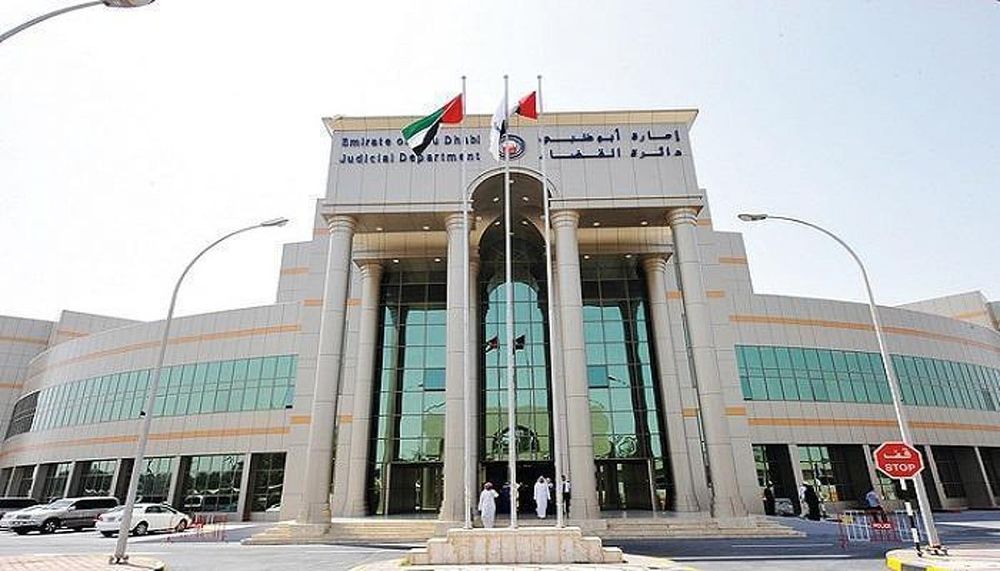
Abu Dhabi court dismisses Dh33 million lawsuit against construction materials firm BILDCO
The Abu Dhabi Commercial Court has dismissed a Dh33 million compensation claim against Abu Dhabi National Company for Building Materials (BILDCO), ordering the original claimant to pay all court costs, fees, and legal expenses. The ruling reinforces the company's legal position and concludes one of the cases previously under review before Abu Dhabi's commercial judiciary.
BILDCO announced on Wednesday that the Court of First Instance issued its judgment on 22 July 2026 in Commercial Case No. 425/2026, dismissing the lawsuit filed by Imran Sultan Matar Al Hallami, acting in his personal capacity and as owner of Al Hallami Group Establishments. The court found no legal basis warranting the imposition of liability or financial obligations on the company arising from the case.
In a disclosure submitted to the Abu Dhabi Securities Exchange, BILDCO stated that the court's ruling will not have any material adverse financial impact on the company's financial position or financial results. As a listed entity on the ADX, the company is required to immediately disclose material events such as legal proceedings that could affect its financial position, ensuring transparency with shareholders and investors.
About the company
BILDCO, incorporated in 1974, has operated for over five decades as a major contributor to UAE infrastructure development. The company manufactures and supplies building materials including steel, cement products, concrete blocks, and interlocking tiles. It operates three specialized manufacturing facilities in Musaffah Industrial Area, Abu Dhabi, producing autoclaved aerated concrete blocks using German technology, concrete blocks and interlocking tiles meeting UAE municipality standards, and precision-cut reinforcing steel solutions.
Legal and financial implications
The court confirmed that the soundness of the procedures and practices that were the subject of the dispute had been established. Under UAE civil procedure law, the general principle is that the unsuccessful party in a lawsuit bears the litigation costs, including court fees and legal expenses. In Abu Dhabi courts, civil and commercial court fees typically range between 3 per cent and 6 per cent of the claim value. For a Dh33 million claim, the court fees alone would have been substantial, adding to the financial burden on the unsuccessful claimant.
The Abu Dhabi court system consists of three levels: Court of First Instance, Court of Appeal, and Court of Cassation, with specialized circuits including civil, commercial, labour, family, criminal, administrative, and real estate matters. Commercial courts in the UAE generally prohibit granting debtors extended payment deadlines unless the creditor consents, distinguishing commercial disputes from civil cases where courts may grant grace periods for performance.
Business environment context
The UAE has emerged as a hub for commercial dispute resolution, with specialized commercial courts established to handle business disputes efficiently. The civil law system emphasizes evidence-based resolution and swift justice in line with economic growth objectives. This ruling highlights the growing role of the UAE's commercial courts in providing a specialized and efficient judicial framework for resolving commercial and investment disputes.
Legal and financial experts view such judgments as an important factor in strengthening investor and shareholder confidence, particularly when they involve cases that may raise questions regarding the potential liabilities of listed companies or businesses operating in local markets. The decision sends a reassuring message to investors and stakeholders regarding the company's legal and financial stability.
With this ruling, one of the company's legal matters has been conclusively resolved. The judgment enhances clarity regarding the company's legal position and allows its business activities to continue as normal, with no future financial implications expected to arise from the case.