Pakistan's finance minister warns of economic risks from Gulf energy infrastructure attacks
Finance Minister Muhammad Aurangzeb says Pakistan has secured energy supplies through November but expresses concern about escalating attacks on Gulf infrastructure that could delay economic recovery.
 Layla Haddad
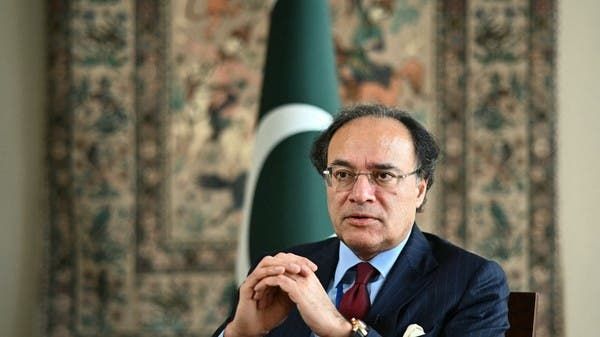
'Worrying' outlook for Pakistan amid attacks on Gulf energy infrastructure: Finance min.
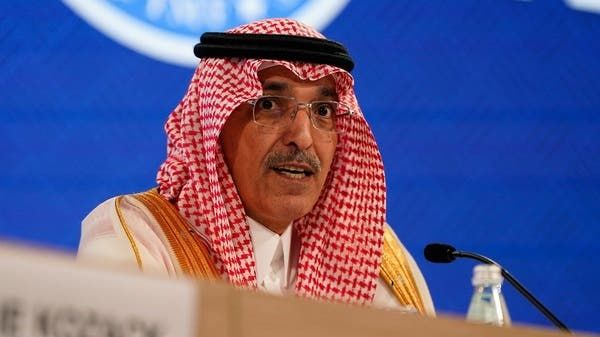
Pakistan's Finance Minister Muhammad Aurangzeb has warned that while the country has successfully navigated the initial shock of surging energy prices triggered by the Iran war, continuing attacks on energy infrastructure in Gulf countries pose a serious threat to the nation's economic outlook.
Speaking at the IMF-World Bank Annual Meetings in Bangkok, which concluded on October 18 at the Queen Sirikit National Convention Center, Aurangzeb told AFP that Pakistan has procured sufficient energy supplies to last through November and is now planning for the winter months when household demand typically increases.
"The first-order impact has been negotiated well by Pakistan. We've had no shortage, no queues at the gas stations, and no law and order situation, which at times we have seen in some of the countries."
The finance minister, who assumed office on March 11, 2024, after serving as President and CEO of Habib Bank Limited, emphasized that the government would avoid procuring expensive spot cargoes of liquefied natural gas unless facing absolute necessity. Such spot purchases typically cost significantly more than previously contracted shipments.
Since the United States and Israel launched military operations against Iran in February, global energy prices have climbed sharply as Tehran's retaliatory strikes have targeted Washington's Gulf allies, disrupting oil and gas supplies. The situation has been further complicated by renewed hostilities in Yemen, where Houthi forces have repeatedly attacked Saudi infrastructure, including energy facilities and airports.
Pakistan imports approximately one-third of its energy supplies in the form of oil, coal, and LNG, making it highly vulnerable to disruptions in Gulf supply chains. The country relies heavily on Qatar for LNG imports, with 35 out of 36 cargoes during the previous winter coming from Qatari sources under long-term contracts totaling 6.75 million tonnes per annum.
"What is now the worrying part of it is when the energy infrastructure starts getting hit. I, to be very honest, I don't know where that would go. But one thing is very clear: that if the infrastructure continues to get hit, the return to normalcy, even if things subside, will take longer."
IMF program and fiscal reforms
Pakistan is currently implementing its 25th program with the International Monetary Fund since gaining independence in 1947. The IMF Executive Board approved the $7 billion Extended Fund Facility in September 2024, following a staff-level agreement reached in July. The three-year program represents at least the country's 11th outright bailout from the lender of last resort.
This month, the Fund agreed to release a $1.2 billion tranche, building on an initial disbursement of approximately $1 billion approved in September 2024. The country's economy grew at 2.4 percent in fiscal year 2024, with inflation falling to single digits after previously elevated levels.
As global debt levels rise, the IMF has called on all economies to engage in fiscal consolidation to prevent potential crises, even those most vulnerable to external shocks like the Iran war.
"Fortunately for us, we have been on this fiscal consolidation path for a while."
The country's tax revenues have grown significantly in recent years. However, challenges remain substantial: only 5.2 million people filed income tax returns in 2022 despite a population exceeding 240 million, with most employment concentrated in the informal sector.
Aurangzeb said the government is targeting businesses that collect sales tax from consumers but fail to deposit it in government accounts, a practice costing the state billions of dollars. He acknowledged there remained "room for improvement" on increasing income tax collection.
The reform agenda has encountered resistance from industry groups, lobbying organizations and entrenched interests.
"Every reform, everything that you try to do when you try to change the status quo, there is pushback."
Military commercial enterprises
One major element of the IMF program involves privatizing state-owned assets. Pakistan's military operates extensive business interests across sectors including real estate, fertilizer, cement, banking, insurance, agriculture and energy through foundations such as the Fauji Foundation, Army Welfare Trust, Shaheen Foundation, and Bahria Foundation.
When asked about these enterprises, Aurangzeb denied they receive state funding.
"As far as we are concerned, whichever commercial enterprises they are running, they are running on a standalone basis and profitable on their own basis. So, I can confirm to you, we are not providing any funds from the exchequer."
Pakistan's military has directly governed the country for roughly two-fifths of its history. Under current Chief of Army Staff General Asim Munir, who was credited by Prime Minister Shehbaz Sharif for helping negotiate the 2024 IMF bailout package, the military has strengthened its control over key institutions even as a civilian government remains nominally in charge.