IMF calls for increased financial support to counter war spillovers and economic pressures
The International Monetary and Financial Committee urged enhanced assistance for nations grappling with financing challenges stemming from ongoing conflicts and elevated energy costs, warning that economic risks remain tilted to the downside.
 Layla Haddad
Increase support for countries amid negative risks, war spillovers: IMF
International Monetary Fund member countries have called for bolstered support to nations confronting short-term financing difficulties triggered by negative spillovers from armed conflicts and surging energy prices, according to a statement issued following the committee's meeting in Bangkok.
The International Monetary and Financial Committee, the IMF's primary policy advisory body, convened during the 2026 Annual Meetings held October 12-18 in the Thai capital—the first time Bangkok has hosted the gathering since 1991. More than 15,000 policymakers, economists, government officials, business executives, and journalists from 191 countries and regions participated in the meetings.
Economic Risks Remain Tilted to the Downside
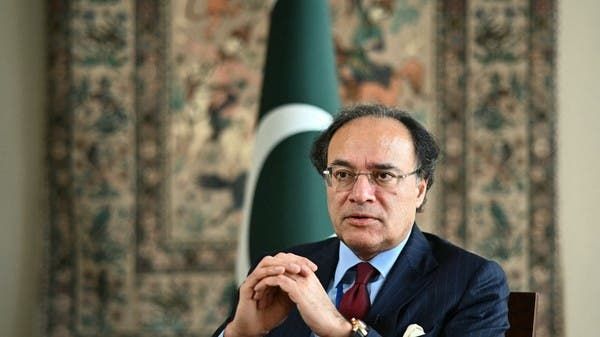
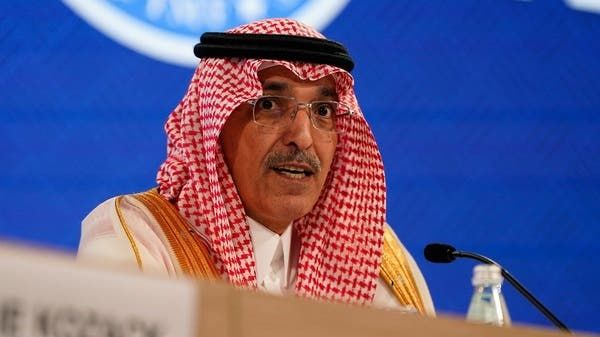
In a statement released by Saudi Finance Minister Mohammed Al-Jadaan, who chairs the IMFC, the committee emphasized that economic risks remain weighted toward negative outcomes. Al-Jadaan was appointed to lead the 24-member committee in December 2023 for a three-year term beginning January 4, 2024, succeeding Spain's Nadia Calviño.
The statement highlighted how escalating conflicts and mounting trade tensions threaten to further disrupt critical maritime trade routes, intensify commodity price pressures—particularly for refined energy products—and exacerbate challenges to energy and food security worldwide.
Critical Shipping Routes Under Pressure
The concerns reflect mounting pressures on the global economy as conflicts continue to impact key shipping lanes. The Strait of Hormuz, a vital chokepoint handling approximately 20 percent of the world's oil and liquefied natural gas supplies, has experienced severe disruption, with commercial vessel traffic plummeting from 138 ships per day to nearly zero in early 2026 due to Middle East tensions.
According to the World Food Programme, conflicts affecting the Strait of Hormuz, Red Sea, and Black Sea are disrupting global trade routes for food, fuel, and fertilizer. The impact on vulnerable populations has been severe—in Sudan, the cost of a basic diet has surged by almost 40 percent since February 2026, driven partly by higher fuel costs resulting from these disruptions.
Global Economic Outlook
The IMF's October 2026 World Economic Outlook projects global growth at 3.1 percent in 2026 and 3.4 percent in 2027, with global headline inflation expected to rise to 4.7 percent in 2026 before moderating to 4.1 percent in 2027. These projections underscore the challenging environment member countries face as they navigate geopolitical tensions and economic headwinds.
The IMFC, which provides strategic direction to the IMF's work on supervision and management of the international monetary and financial system, has increasingly focused on strengthening support for developing economies. In November 2024, the IMF added a 25th Executive Board chair specifically for Sub-Saharan Africa to enhance the region's voice and representation—a development the IMFC welcomed during its October 2024 meeting.
The IMF, established in 1945 as an organization of 190 countries, works to foster global monetary cooperation, secure financial stability, facilitate international trade, and promote sustainable economic growth through policy advice, lending programs, and capacity-building initiatives for member nations.