Bitcoin Rebounds Above $83,000 as South Korean Tech Stocks Plunge Over 6%
Bitcoin recovered to above $83,000 on Tuesday after briefly dipping below $81,000, even as South Korean semiconductor stocks suffered steep losses and US spot Bitcoin ETFs continued to experience withdrawal pressure amid concerns over AI valuations and intensifying competition from Chinese chipmakers.
 Layla Haddad

Bitcoin Reclaims $83,000 Amid Global Tech Sell-Off
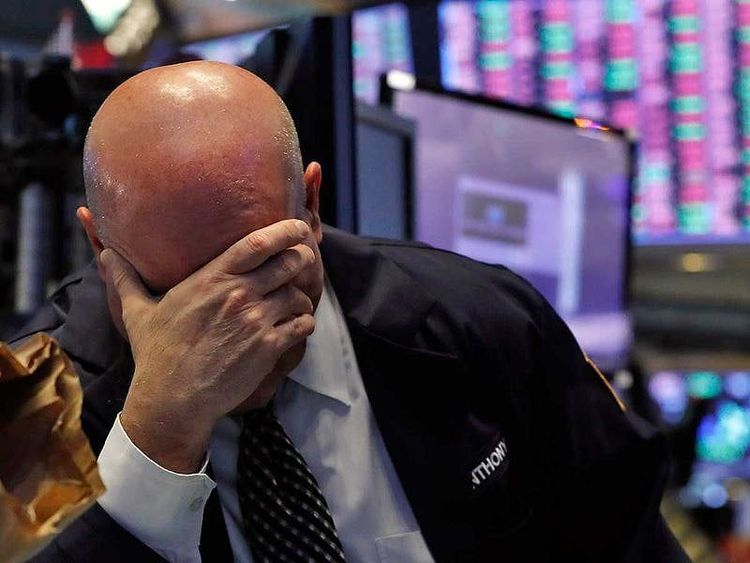
Bitcoin climbed back above $83,000 on Tuesday, October 13, after briefly slipping below $81,000 during Asian trading hours. The cryptocurrency's recovery came as South Korean technology stocks suffered their worst session in months, with the benchmark KOSPI index falling more than 6% to its lowest level since late July.
The divergence between Bitcoin's price action and equity market performance highlighted mixed investor sentiment across asset classes. While the cryptocurrency regained ground, broader concerns about artificial intelligence valuations, semiconductor industry competition and the outlook for US monetary policy continued to weigh on risk appetite in other markets.
Semiconductor Stocks Face Sustained Selling Pressure
Samsung Electronics and SK Hynix each dropped roughly 8% on Tuesday, marking their fifth consecutive session of losses. The declines reflected mounting investor concern over whether current valuations can be sustained amid intensifying competition from Chinese memory chip manufacturers.
The sell-off followed weeks of sustained pressure on South Korean semiconductor stocks. Foreign investors sold a net 22 trillion won ($15.4 billion) of Samsung Electronics and SK Hynix shares between August 31 and October 8, 2026. Foreign ownership of SK Hynix declined to 49.59%, while Samsung Electronics' foreign ownership fell to 46.38%, the lowest level since January 2008.
SK Hynix holds approximately 30% market share in DRAM and 20% in NAND, making it the second-largest memory semiconductor manufacturer globally. The company's market position makes it particularly vulnerable to shifts in competitive dynamics and investor sentiment around the sustainability of AI-driven demand.
Chinese Competition Reshapes Memory Chip Landscape
Concerns about competition from China's memory chip sector have intensified following rapid gains by domestic manufacturers. ChangXin Memory Technologies (CXMT), China's largest and the world's fourth-largest DRAM maker, increased its share of global DRAM revenue to 9.5% in the second quarter of 2026, up from 7.6% in the first quarter.
CXMT's shares soared almost 500% in their trading debut in Shanghai on July 27, 2026, opening at Rmb49.50 per share compared with an IPO price of Rmb8.66, in what was reported as the largest Chinese initial public offering of 2026. The strong market reception demonstrated investor confidence in Chinese memory manufacturers' ability to challenge established players.
If Chinese producers continue to develop competitive products on performance and price, established manufacturers could face pressure on market share and profitability, even if overall demand for AI infrastructure continues to grow. The prospect of such competition has prompted investors to reassess valuations across the semiconductor sector.
Bitcoin ETF Outflows Continue Despite Price Recovery
Bitcoin's price recovery came despite continued withdrawals from US spot Bitcoin exchange-traded funds. The funds recorded approximately $65.4 million in net outflows on Monday, October 12, bringing total outflows for the month to around $451.7 million.
The October 12 outflow followed an even larger withdrawal just days earlier. On October 7, US spot Bitcoin ETFs recorded $487.1 million in net outflows, the largest single-day withdrawal since June 25, 2026. The pattern illustrates the volatility in investor sentiment toward digital assets, even as spot prices rebound.
However, the recent outflows represent part of a broader pattern rather than an unprecedented shift. US spot Bitcoin ETFs experienced net outflows on 93 of 190 trading days in 2026, approximately 48% of the time, despite reporting net inflows for the year of approximately $1.2 billion as of early October 2026.
The divergence between ETF flows and spot prices suggests that while some investors are reducing their exposure through exchange-traded products, other buyers are entering the market or short positions are being unwound. Market maker Wincent's senior director Paul Howard suggested that some institutional investors may favor increasing their use of derivatives for hedging rather than reducing their underlying digital-asset holdings.
Inflation Data and Monetary Policy in Focus
Attention is turning to the US Consumer Price Index report scheduled for Wednesday, October 14, which could shape expectations for the Federal Reserve's next policy decisions. Core Personal Consumption Expenditures inflation rose from 3.0% in December 2025 to 3.3% in July 2026, underscoring the continued challenge of bringing inflation back to target levels.
The Federal Reserve's target federal funds rate as of early October 2026 stands at 3.75% to 4.00%. Market expectations are pricing in additional rate increases at the October 28 and potentially December meetings, which could bring the rate to 4.00% to 4.25%.
Persistent inflation could limit the central bank's ability to ease monetary policy or reinforce expectations that borrowing costs will remain elevated for longer. Higher interest rates can make traditional income-generating assets more attractive relative to riskier investments, potentially weighing on Bitcoin and other digital assets, though the relationship varies across different market environments.
Oil Prices Add to Inflation Concerns
Oil prices remained elevated, adding another complication to the inflation outlook. Brent crude was trading near $105.86 per barrel on October 13, down 0.74% from the previous day but up approximately 70% year-over-year. West Texas Intermediate crude traded near $93.26 per barrel, roughly 59% higher than the same time last year.
Higher energy prices can feed into broader inflation measures, complicating the outlook for monetary policy. For Bitcoin traders, the combination of inflation data, oil prices, movements in the US dollar and changing rate expectations may prove as important as developments in equity markets.
Technical Levels and Market Structure
From a technical perspective, traders are watching whether Bitcoin can reclaim $84,000 and sustain trading above that threshold. The cryptocurrency has struggled to establish itself at higher levels during recent price swings, while order book data pointed to a concentration of sell orders near $84,000.
A concentration of sell orders can create resistance when available supply exceeds buying demand at a particular price. However, order books change quickly, and the presence of sell orders does not guarantee that a breakout attempt will fail.
Bitcoin's brief decline below $81,000 before recovering also illustrates the scale of intraday volatility. The price movement reflects rapid shifts in positioning rather than a sustained directional trend.
The cryptocurrency's performance on Tuesday offered evidence of a temporary divergence from South Korean technology shares, but not proof that Bitcoin has become immune to broader risk aversion. The initial drop below $81,000 demonstrated that the asset remains vulnerable to market-wide pressure, even when buyers subsequently drive a recovery.
Nasdaq futures fell approximately 0.6% after the technology-heavy index lost 0.78% in the previous session, suggesting that concerns over technology valuations are influencing sentiment across markets. Bitcoin's ability to recover while technology stocks declined may reflect factors specific to cryptocurrency markets, including derivatives positioning, liquidity conditions and institutional flows, rather than a fundamental decoupling from risk assets.
The next test will be whether Bitcoin can hold its recovered levels as US inflation data arrives and technology stocks attempt to stabilize. Stronger demand and more favorable macroeconomic conditions could support another push higher. Renewed inflation concerns or further selling in risk assets could put the recovery under pressure and test support levels established during the recent decline.