HiHome co-founder sets out a path to growth rooted in local hospitality
HiHome co-founder Nourah Alsadoun wants to expand the Saudi home-visit platform internationally without turning encounters with local families into standardized experiences. Technology and investment can support that growth, she says, but hosts' personalities and cultures must remain central to the business.
 Daniel Pereira
A platform built around local hosts
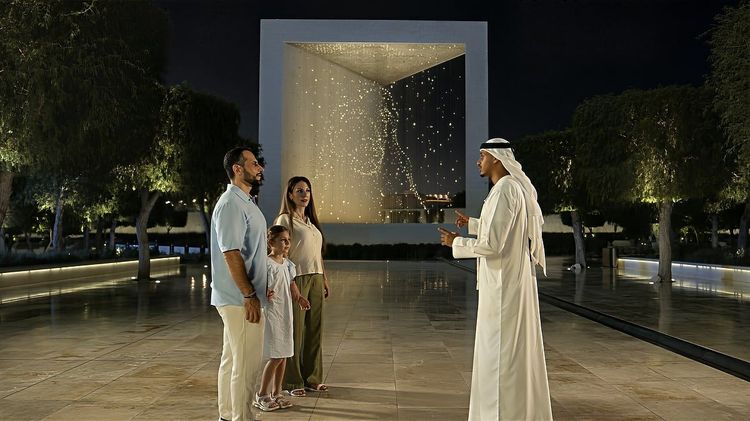
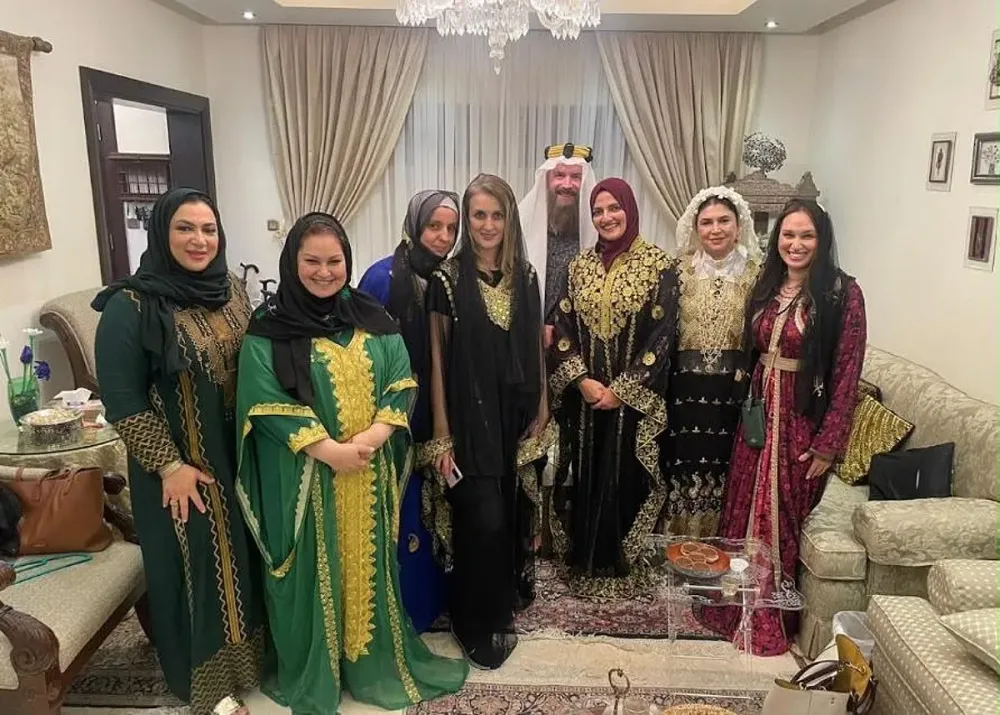
HiHome connects visitors with hosts who share their homes, food and culture. Its offerings span nine categories, including home and food tours, cooking experiences, heritage arts and crafts, and camel rides, Alsadoun told Arab News.
By October 2025, the platform covered 24 cities and towns in Saudi Arabia, according to The National. More than 100 local hosts had joined, offering more than 200 authentic experiences.
For Alsadoun, those encounters should reveal the variety within the country rather than present a single account of Saudi life. She says visitors often revise their perceptions after meeting a family, while getting to know hosts has challenged her own assumptions. "The more hosts we meet, the more I realize there isn't one single definition of what Saudi culture looks like," she says.
The experience that inspired HiHome
The idea took shape after Alsadoun visited a home in Cuba and found that time with a local family offered something sightseeing did not. "I was sitting with a local family, sharing food, having conversations, and getting a glimpse into their everyday life," she says. "That personal connection made me understand the culture in a way that a typical tourist experience never could."
According to LIST, she discovered home-visit and local-experience websites while researching travel to Cuba and Colombia. She co-founded HiHome with business partner Fahad Al Suwailem, who helped develop her idea into a working platform.
Her father became the first host. Although the concept raised questions about whether travelers would want to visit a Saudi family's home, he agreed to participate. "We weren't asking other Saudi families to open their doors before we were willing to open ours," Alsadoun says.
The platform began operating in 2019, coinciding with Saudi Arabia's introduction of tourist visas for the first time in its modern history. Alsadoun sees that timing as an opening, not a complete explanation for the business: "The timing created an opportunity, but the people, hosts, and experiences are what made the idea meaningful."
The pandemic then halted the travel and gatherings on which HiHome depended. After reopening, Alsadoun says, visitors sought personal connections as well as places to visit. LIST also reports that HiHome received recognition as the best touristic experience in Saudi Arabia in 2021, with the award presented by Tourism Minister Ahmed Al Khateeb.
Paying hosts without scripting hospitality
Charging for an encounter in a family home required a cultural discussion. The Saudi tradition of hafawah emphasizes generosity without expecting anything in return, and some prospective hosts felt uneasy about accepting payment for welcoming guests.
Alsadoun framed compensation as recognition of the host's contribution rather than a price on generosity. "There is a difference between selling hospitality and valuing someone's contribution," she says.
She draws a similar distinction between organizing an experience and scripting it. "For me, authenticity doesn't mean having no structure," she says. "It means creating the right structure around the host's real personality, culture, and way of life. We never want hosts to memorise a script or tell the same story in exactly the same way."
Before offering an experience, the team needs to learn about the host's family, home and personality, establish what they are comfortable sharing, and understand the guest's expectations. A private dinner, in her account, depends as much on the welcome, stories and conversation as on the meal, with both host and guest needing to feel at ease.
HiHome's place in Saudi tourism
Alsadoun credits changes under Vision 2030 with giving entrepreneurs and tourism businesses more room to develop, and says she is particularly proud to participate as a female founder. She sees HiHome as complementary to Saudi Arabia's large state-backed developments, offering a closer view of the people and communities within a destination.
The wider tourism expansion has exceeded an earlier national target. According to Saudipedia, the National Tourism Development Strategy launched in 2019 sought 100 million annual domestic and international visitors by 2030. Saudi Arabia recorded 109.34 million visitors in 2023, reaching that goal seven years early, and subsequently increased its 2030 target to 150 million.
Growing without making every visit the same
At WTM Spotlight Riyadh in September, Alsadoun advocated developing experiences collaboratively rather than importing a model devised elsewhere. She distinguishes HiHome from highly automated technology businesses that can serve millions of users and process large volumes of orders with little human involvement in delivering the product.
"For HiHome, technology allows us to scale, but human connection is what defines the product," she says.
That does not mean rejecting outside investment. Alsadoun says investors and venture capital partners can supply funding, technology, infrastructure and expertise. Government and tourism partners can provide access, reach and opportunities, while HiHome contributes its host network, cultural knowledge and experiences. The aim is to combine those strengths without making visits impersonal.
Her international ambition follows the same principle: a shared platform should accommodate distinct local identities, not reproduce a Saudi experience abroad. "A HiHome experience in Saudi Arabia should feel genuinely Saudi, while an experience in another country should reflect the culture and identity of that country," she says. "The model can be shared, but the experience should never feel standardised."
For Alsadoun, growth would defeat the purpose if it required stripping away local character or genuine interaction. Her stated goal is "a global platform with one HiHome vision, but many different cultural expressions."