Sharjah slashes NOC processing time from three days to two hours
SEWA's digital transformation initiative reduces no-objection certificate approval time by 98%, supporting Sharjah's growing investment landscape and infrastructure development projects.
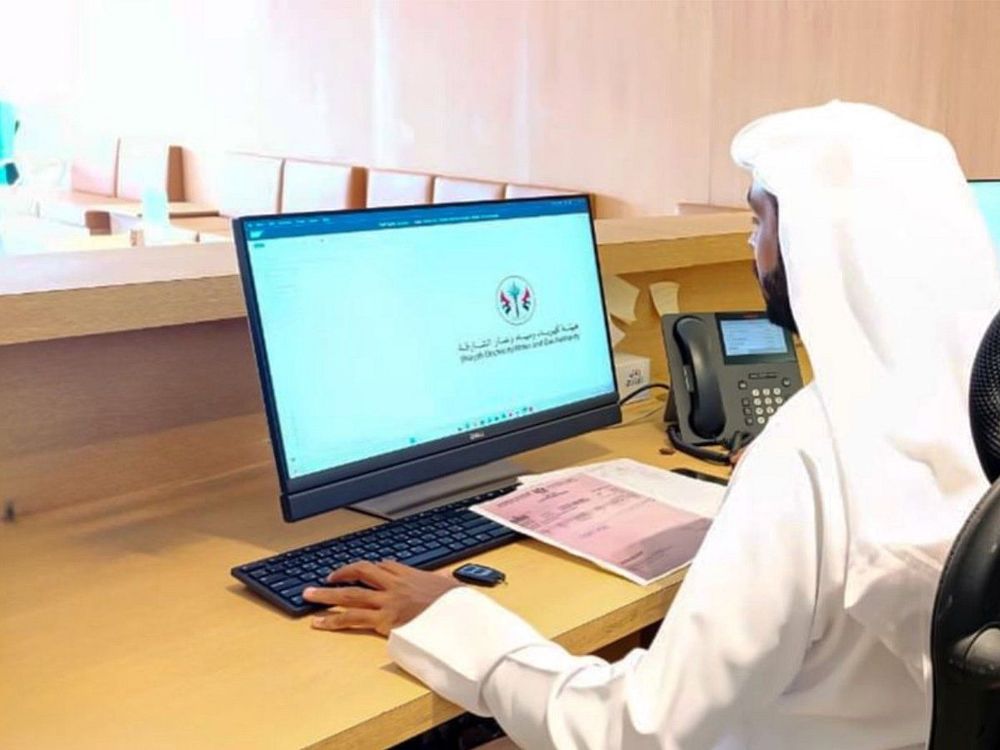
Need an NOC in Sharjah? It now takes just two hours instead of three days.
Sharjah Electricity, Water and Gas Authority has cut the processing time for no-objection certificates from three working days to just two hours, representing a dramatic improvement in service delivery that positions the emirate as an increasingly efficient hub for infrastructure and development projects.
The expedited approval process forms part of SEWA's broader digital transformation programme, which aligns with the vision of His Highness Sheikh Dr Sultan bin Mohammed Al Qasimi, Supreme Council Member and Ruler of Sharjah, to streamline administrative procedures and support business activity across the emirate.
Abdulrahim Al Zarouni, Director of the Shared Services Department at SEWA, said the initiative employs advanced digital technologies and an integrated electronic system that enables instant processing of applications and automated verification of data. The upgrade goes beyond mere speed improvements, he noted, as no-objection certificates serve as essential regulatory instruments for infrastructure projects throughout the UAE.
Across the country, authorities including RTA, DEWA, and Dubai Municipality issue NOCs to manage infrastructure works, protect utilities, and regulate development projects. SEWA's streamlined approach now allows applicants to submit requests around the clock through the authority's website and smart application, with real-time tracking capabilities that enhance transparency.
Digital transformation momentum
The NOC improvement represents one element of SEWA's systematic digitalization drive. Established in 1995 as a financially and administratively independent entity, the authority now serves roughly 300,000 consumers with electricity, water, and natural gas across Sharjah. Under the leadership of Chairman Saeed Sultan Al Suwaidi, appointed by Emiri Decree No. 37 of 2020, SEWA has pursued multiple technology initiatives.
In June 2026, the authority completed development and updates to its digital platform dedicated to providing services to government entities, demonstrating ongoing commitment to technological advancement across multiple service areas.
These efforts align with the Sharjah Digital Transformation Strategy 2026-2028, approved by the Sharjah Executive Council, which encompasses more than 50 initiatives aimed at digitizing government services and enhancing institutional performance across the emirate.
Investment climate context
The accelerated NOC processing arrives at a significant moment for Sharjah's economic development. Foreign direct investment projects in the emirate increased by 45 percent in 2025, according to fDi Markets-Financial Times data, with capital investments rising by 8.8 percent and employment opportunities growing by 25.7 percent compared to the previous year.
Industrial investment has proven particularly robust, reaching Dhs 3.51 billion across 99 projects over the past five years, including Dhs 1.6 billion across 31 projects in 2025 alone. These infrastructure and development activities frequently require NOC approvals, meaning the reduction from three days to two hours could have substantial practical impact on project timelines.
Al Zarouni emphasized that faster approvals will create a more attractive investment environment in Sharjah, removing administrative bottlenecks that previously delayed project implementation.
Broader government digitalization
SEWA's initiative forms part of a wider UAE commitment to digital government services. The UAE Strategy for Government Services, issued in March 2021, set ambitious targets for ensuring 100 percent of government services would be accessible around the clock by 2023, with complete digitization within two years.
In April 2026, the UAE Cabinet announced plans to transition 50 percent of government services to autonomous Agentic AI within two years, making the country the first globally to operate government services at this scale through autonomous systems. This trajectory suggests that current improvements in processing times may represent only an intermediate step toward further automation in the years ahead.