UAE stops GEM NO. 2 oil leak; precautionary beach closures remain
UAE authorities have secured the GEM NO. 2 tanker and stopped its oil leak, but coastal pollution has not been fully cleared. Some beaches remain closed as crews survey affected areas, recover oil and carry out environmental remediation.
 Mariam Al Mansoori
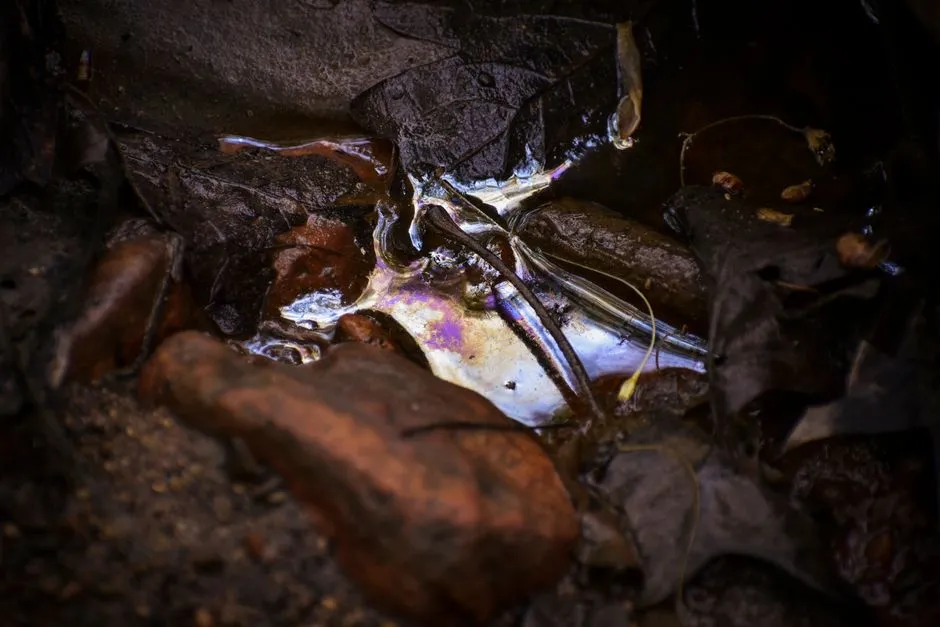
Remaining pollution and coastal restrictions
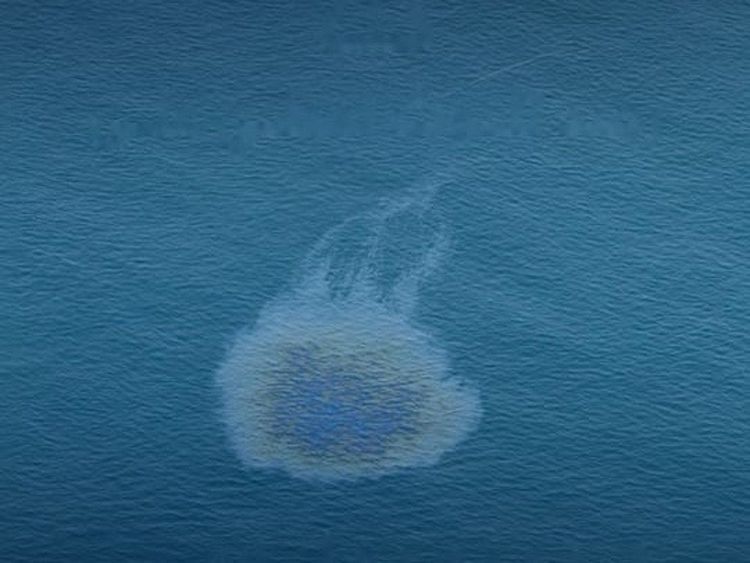
Satellite images available on Friday, October 30, showed a significant decline in pollution concentrations. The Ministry of Climate Change and Environment said the remaining slick was mainly off Umm Al Quwain, with pollution also extending toward coastal parts of Ras Al Khaimah, Ajman and Sharjah.
The Ministry of Energy and Infrastructure reported no further leakage from the tanker after the incident in UAE territorial waters. Authorities continue to monitor the vessel and surrounding waters by sea, air and satellite.
Some beaches and coastal areas remain temporarily closed to protect the public and the marine environment. The environment ministry emphasized that a closure does not necessarily mean oil has been found at that location: restrictions also allow monitoring, surveys and remediation to proceed safely. Authorities asked the public to follow official access instructions.
Cleanup teams are relying chiefly on mechanical methods to recover the oil. They are also using chemical dispersants under international standards and approved technical guidelines.
Earlier images show the spill's reach
An earlier assessment illustrates the spill's extent before the latest reported decline. According to AFP, Wim Zwijnenburg of the Dutch NGO PAX analyzed satellite images taken on October 21, 2026, and estimated that the slick measured about 40 kilometers in length and covered 190 square kilometers. It reached within six kilometers of shore.
BBC Verify reported that the oil extended toward Siniyah and Khor Al Beidah islands. The area is recognized globally as a Key Biodiversity Area, with coral, seagrass and saltmarsh habitats. Its species include green turtles and the critically endangered Halavi guitarfish.
The region experienced another major spill in August 2026, when oil washed ashore on Iran's Qeshm Island. Experts cited by BBC Verify said that slick threatened wildlife, protected ecosystems and fishing communities.
Food, drinking water and air monitoring
UAE authorities said fish and other food sold in local markets remain safe to eat. The Ministry of Climate Change and Environment said the country's food safety systems continue to safeguard products reaching consumers.
Etihad Water and Electricity said measures taken to protect drinking water production would not disrupt consumer supplies. The utility has increased seawater monitoring at intake points, testing of water during production and distribution, and compliance checks before water enters the distribution network. It said drinking water safety and quality remain a priority.
AFP reported that residents in northern Dubai, Sharjah, Ajman and Umm Al Quwain noticed strong chemical or fuel-like odors in the days around the spill. UAE authorities said the odors posed no health risks to residents.
Air quality monitoring continues, with the relevant authorities reviewing readings and coordinating their response.
The strike and the tanker's cargo history
Maritime intelligence firm Vanguard said an unidentified projectile struck GEM NO. 2 on October 9, 2026, just north of Al Jazeera Al Hamra, according to BBC Verify. A fire broke out aboard the Panama-flagged tanker and was later extinguished. On October 11, the Indian consulate in Dubai said all 22 Indian crew members had been rescued.
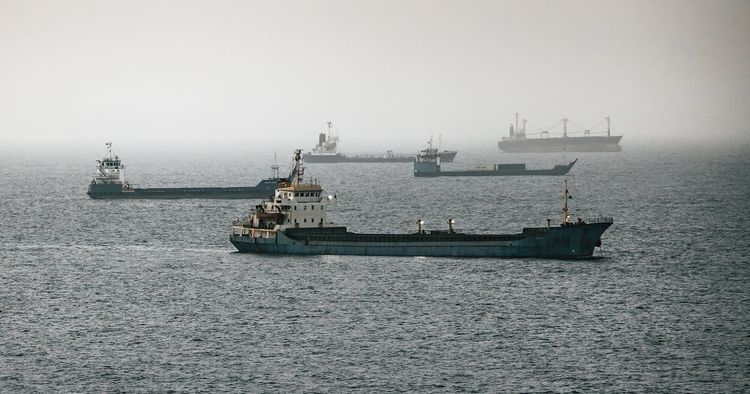
The vessel belongs to Taiwan's Global Energy Maritime. According to AFP, citing tracking data from maritime company Kpler, it loaded 2 million barrels of oil at a Saudi port in early March 2026. Since then, it had regularly transferred cargo with other ships along the UAE and Omani coasts near the Strait of Hormuz.
BBC Verify placed GEM NO. 2 among a record number of ships reported attacked in and around the strait at the start of October 2026. Security experts interviewed by BBC Verify described those attacks as part of an Iranian effort to gain greater control over the strait in response to the US military escorting more vessels through the shipping lane.
Repairs and continued response
Specialist teams are still working through technical problems aboard GEM NO. 2, the Ministry of Energy and Infrastructure said. They are repairing damaged parts of the vessel, bringing some operational systems back into service and evaluating its structural integrity to establish how it can be handled safely.
The ministry is working with the Ministry of Climate Change and Environment, the National Emergency Crisis and Disaster Management Authority (NCEMA), and other federal and local bodies. Their response is aimed at protecting navigation, limiting environmental damage and preventing additional risks.
Authorities said the joint effort had secured the tanker and contained the sources of the leak. Monitoring, coastal cleanup and environmental remediation will continue, with further updates to come through official UAE channels.