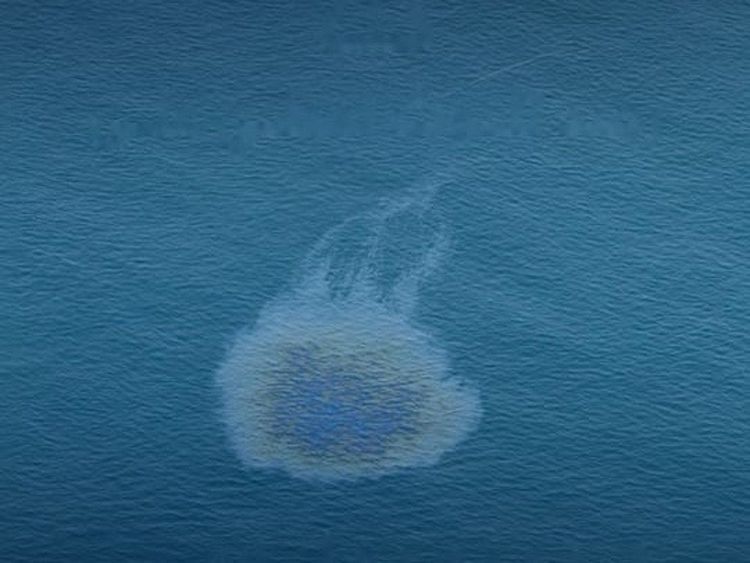
UAE confirms oil spill off Umm Al Quwain and closes coastal areas
UAE authorities have temporarily closed all beaches and coastal areas in Umm Al Quwain after detecting an oil spill from a supertanker in the Arabian Gulf. The Ministry of Climate Change and Environment linked the spill to the strong fuel smell reported across Dubai and the northern emirates in recent days.
 Mariam Al Mansoori
Cleanup and coastal restrictions
Confirming the spill early Friday, the ministry said environmental monitoring had detected oil affecting Umm Al Quwain's beaches. The full extent of the slick remains unknown, and officials have not named the tanker.
The ministry said the odors reported in Sharjah, Ajman and Umm Al Quwain presented no health risk to residents. It nevertheless warned people not to approach oil that reaches the shore and instructed fishermen and other sea users to follow official guidance and avoid fishing in affected waters.
Local and federal teams began containing the oil, cordoning off affected areas and carrying out cleanup and remediation, according to the ministry. Coastal surveys and environmental monitoring are continuing. The closures will remain in place until technical teams finish their assessments and determine the necessary safety and marine protection measures.
Satellite observations and projected drift
Windward Maritime's October 22 intelligence report, published by MarineLink, described satellite images taken October 19 that showed a tanker apparently leaking oil about 25 kilometers north of Umm Al Quwain. The vessel was classified as a very large crude carrier, or VLCC, with an oil slick stretching roughly 1.5 kilometers behind it.
In an earlier warning on October 20, Windward said currents were carrying oil southwest toward the coast from a VLCC-size tanker 25 kilometers offshore. Its model indicated that the oil would reach desalination intakes and ports in Sharjah and Ajman by October 22-23 unless the leak stopped.
The October 22 report projected possible shoreline contamination beginning that day, with oil potentially approaching Hamriyah Port, Ajman Port, coastal mangroves and desalination infrastructure through October 24. Windward cautioned that those projections did not account for cleanup work or the possibility that the leak would be stopped.
Tanker linked to an earlier attack
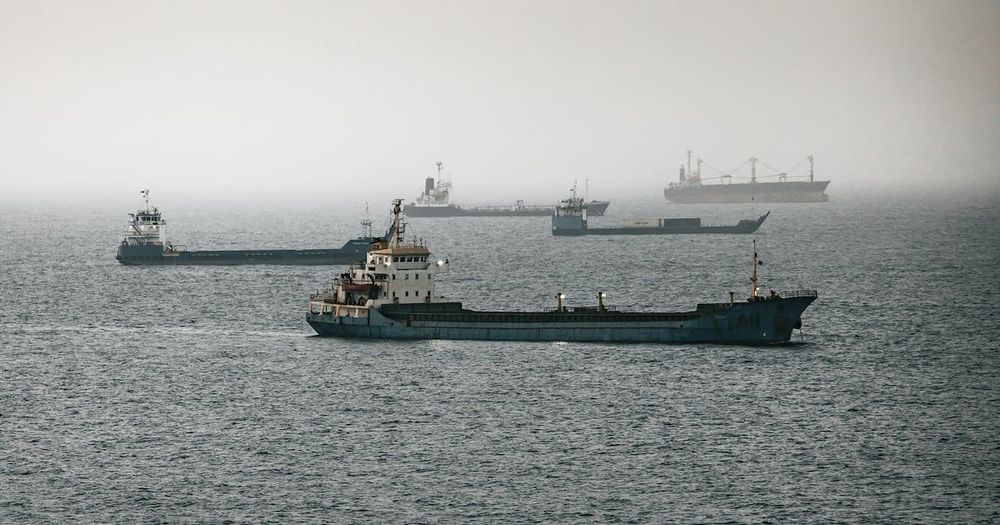
Although the ministry has not identified the vessel, international maritime agencies have linked the spill to the Gem No. 2, a 330-meter supertanker they say was struck in a suspected Iranian drone attack on October 9-10.
Additional reporting identifies the Gem No. 2 as a Panama-flagged crude oil tanker struck by an unidentified projectile on October 9, about 13 nautical miles west of Al Jazeera in the UAE, outside the Strait of Hormuz. A fire broke out after the impact and was later extinguished. No group claimed responsibility.
LSEG ship-tracking data showed the vessel at anchor off the UAE coast with a full oil cargo at the time. Shipping databases identify its operator as Panama-based Gem No.2 Maritime Corp.
A UAE National Guard Coast Guard team rescued the tanker's 22 Indian sailors on October 10. According to Khaleej Times, the team responded after the crew reported a fire. The sailors received first aid before being transferred to the relevant authorities and were reported to be in stable condition.
Other maritime attacks in October
The spill confirmation comes amid concern about the Iran war's environmental effects on the Gulf and Arabian Sea. Windward's October 22 report also placed the leak within a widening campaign of attacks on shipping.
On October 16, a Liberia-flagged Suezmax tanker was likely hit by a rocket-propelled grenade launched from a small boat approximately 78 nautical miles northeast of Al Jubail, Saudi Arabia, according to the report.
Two days later, two unidentified projectiles struck a Netherlands-flagged tug northeast of Khor Fakkan, UAE. TradeWinds identified the tug as JIF Barracuda. Windward counted the incident as October's 27th recorded maritime attack and the second strike on a tug since the conflict began.