Borouge maintains dividend plan as Q2 profit jumps 23% amid regional disruptions
Abu Dhabi petrochemicals producer reports $191 million net profit for second quarter despite production constraints from Strait of Hormuz crisis and April incident at Ruwais complex.
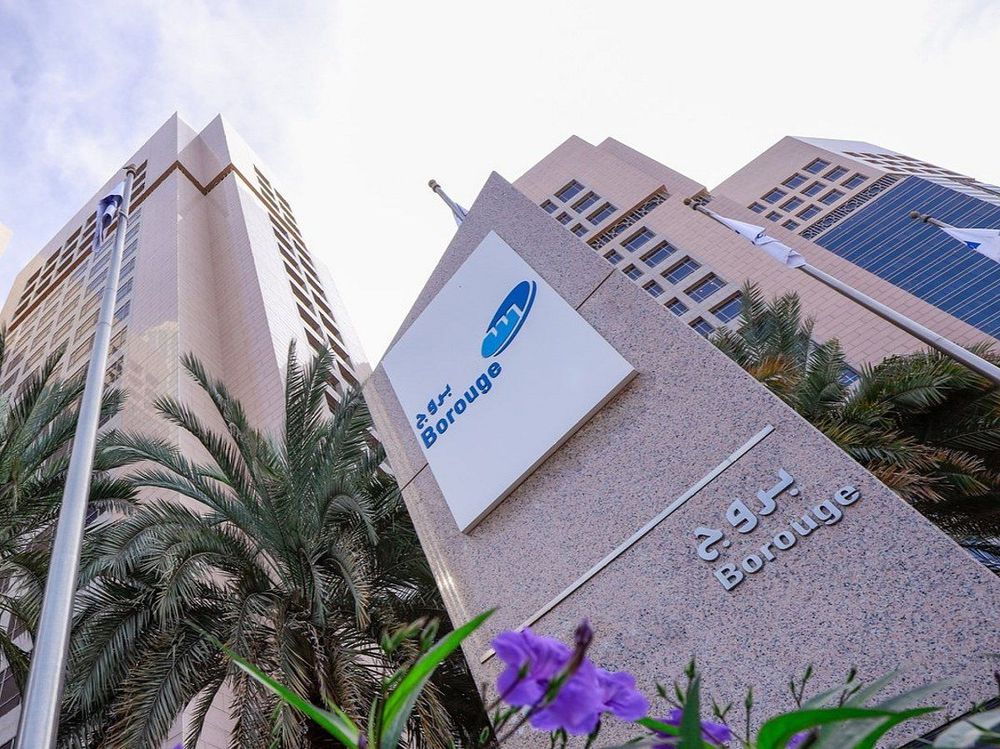
Borouge keeps dividend plan after profit rise
Borouge reported net profit of $191 million in the second quarter of 2026, representing a 23% increase from the previous quarter, while maintaining its annual dividend commitment of 16.2 fils per share despite ongoing regional logistics challenges.
The Abu Dhabi-listed petrochemicals producer, established in 1998 as a joint venture between Abu Dhabi National Oil Company (54% stake) and Austrian company Borealis (36% stake), with 10% publicly traded following a 2022 initial public offering that raised $2 billion, recorded revenue of $1.4 billion during the quarter, up from $1.2 billion in the first quarter.
Recovery from April incident
The company completed repairs to assets at its Ruwais complex, located approximately 240 kilometers west of Abu Dhabi city, by the end of June, ahead of schedule. Production had been suspended in parts of the facility following an April 5 incident caused by falling debris from an intercepted aerial attack. The debris damage occurred during coordinated attacks targeting Gulf infrastructure that day, including facilities in Kuwait and Bahrain. No injuries were reported at the Borouge site.
Adjusted earnings before interest, taxes, depreciation and amortization reached $401 million, compared with $343 million in the previous quarter. The company sold 0.9 million tonnes during the period, exceeding production volumes of 0.7 million tonnes by shipping additional material from inventory through alternative logistics channels.
Pricing strength offsets higher costs
Average realized prices increased 53% quarter on quarter, supported by tight global polyolefin markets. The global shortage has constrained approximately 50% of worldwide polyethylene capacity due to the Strait of Hormuz crisis, with prices rising 50-80% in some markets and more than 30 force majeure declarations issued by chemical producers across Asia, the Middle East and Europe by mid-March. Record premiums for Borouge's differentiated products contributed to the stronger pricing environment.
Higher freight and logistics expenses, combined with increased propylene feedstock costs, partially offset margin gains despite the favorable pricing conditions. Borouge operated at an average utilization rate of 60% during the quarter.
Alternative logistics maintain deliveries
The company developed road, rail and sea routes to sustain customer supply during regional disruptions. The Strait of Hormuz, through which approximately 20 million barrels of oil per day and 34% of globally traded crude oil normally transits, has experienced significant disruption since late February 2026, affecting more than 44,000 businesses across 174 economies.
Borouge maintained deliveries across its core markets despite restrictions on regional logistics and maritime traffic. Movement through the strait, along with feedstock availability, will influence the pace of production and sales recovery during the second half of 2026, according to the company.
The swift and coordinated response enabled us to implement effective alternative logistics routes, ensuring we shipped all volumes produced, supplemented by additional volumes from inventory, during the quarter, without dependency on the Strait of Hormuz
Hazeem Sultan Al Suwaidi, chief executive of Borouge, said in a statement.
Expansion project advances
The Borouge 4 expansion continued progressing during the quarter, with a new Cross-Linked Polyethylene plant reaching commercialization following successful performance testing. The facility, which produces enhanced materials used in power transmission cables, automotive components and plumbing pipes due to superior thermal stability and chemical resistance, is expected to add 100,000 tonnes of annual capacity and double Borouge's Cross-Linked Polyethylene output. The first batch has been delivered to customers.
The wider Borouge 4 development, comprising a 1.5 million tonnes per year ethane cracker and 1.4 million tonnes per year of polyethylene capacity, is designed to increase total company production capacity by 1.4 million tonnes. The project is 70% owned by ADNOC and 30% by OMV. Additional plants are scheduled to begin operations during 2026 and 2027.
International combination delivers results
Borouge maintained its annual dividend intention of 16.2 fils per share following the March formation of Borouge International. The new entity was created through the combination of Borouge Plc, Borealis and the acquisition of Nova Chemicals, with equal 50% ownership by ADNOC's XRG subsidiary and OMV. The transaction created a company valued at approximately $60 billion.
The combined business operates across 30 manufacturing sites with annual production capacity of 13.6 million tonnes, making it the world's fourth-largest polyolefins producer by nameplate capacity. The global polyolefin market was valued at approximately $312-320 billion in 2025 and is projected to reach $498-534 billion by 2035, driven by demand in packaging, automotive, construction and healthcare sectors.
Borouge International recorded adjusted EBITDA of $1.8 billion during the second quarter, supported by stronger pricing across North American and European operations. A proposed tender offer allowing Borouge shareholders to convert their holdings into Borouge Group International AG shares is expected to take place in 2027, subject to market conditions and approval from the UAE Capital Market Authority.
The company expects average realized prices to remain elevated in the near term, while logistics expenses are also anticipated to stay high. The restoration of asset availability positions Borouge to return to higher utilization rates during the second half, depending on feedstock and logistics availability.