IPL founder Lalit Modi plans India return after tribunal overturns most FEMA penalties
Lalit Modi, who left India in May 2010 amid financial misconduct allegations, says he expects to return after a tribunal set aside most Enforcement Directorate penalties related to the 2009 IPL season held in South Africa.
IPL founder Lalit Modi plans India return after tribunal overturns most FEMA penalties
Lalit Modi, the founding chairman of the Indian Premier League, has expressed his intention to return to India after nearly 16 years abroad, following a significant legal victory in a long-running financial case.
On Wednesday, the Appellate Tribunal under the Smugglers and Foreign Exchange Manipulators – Forfeiture of Property – Act set aside most of the Enforcement Directorate's findings and penalties connected to the 2009 IPL season in South Africa. The quasi-judicial tribunal, which has functioned since 1977 to hear appeals against ED orders, ruled overwhelmingly in Modi's favour.
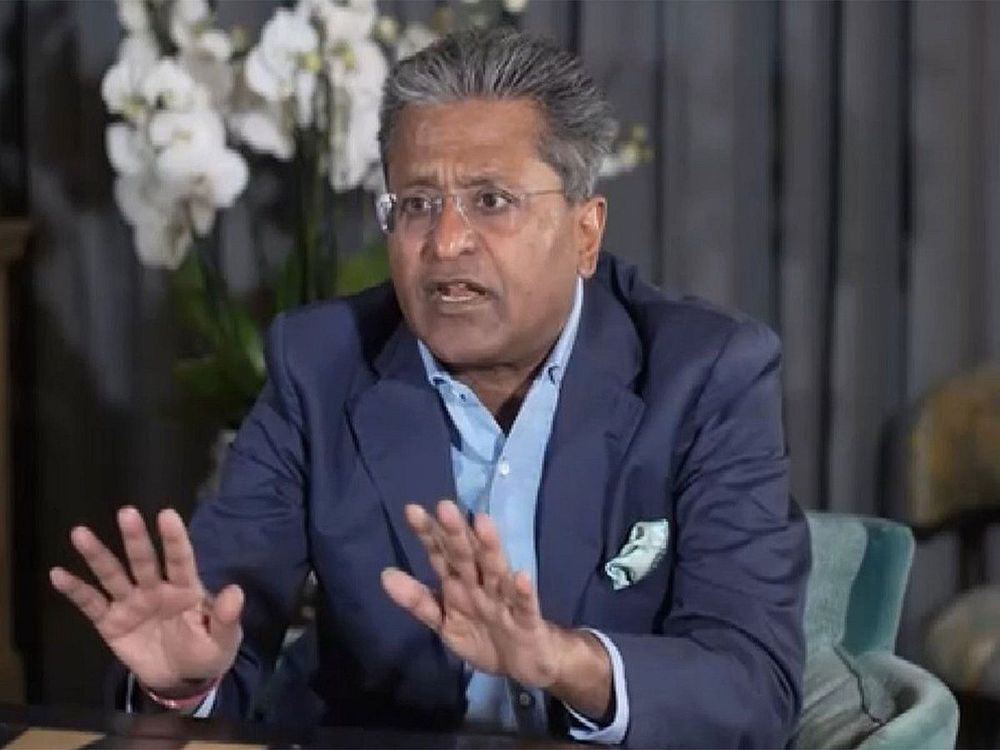
In a video statement, Modi welcomed the tribunal's verdict and said he expected to return to India after October this year.
I'm really happy with the verdict yesterday. It's really been a great day. For 16 years, I have fought, and whatever I have been saying to the media and everybody has finally emerged as the truth.
I was only concerned with the well-being of the IPL and nothing else. That is the most dear to me. Now that chapter is behind me, I'm going to move on in my life, and I'm looking forward to coming back to India. I will probably come back at the end of this year or early next year. My daughter is due to have my grandson in October, and hopefully everything will be well, and I'll be back in India,he added.
Background to the case
Modi left India in May 2010, initially citing concerns for his safety. He was suspended by the BCCI in 2010 over accusations of financial misconduct, indiscipline, and financial irregularities related to his tenure as IPL commissioner.
The case centres on the 2009 IPL season, which was relocated entirely to South Africa due to India's general elections. The Indian government was unable to provide security for both the elections, which ran from April 16 to May 13, 2009, and the cricket tournament simultaneously. The relocation was an unprecedented logistical challenge, requiring the movement of approximately 10,000 cricketers and staff from India within a few weeks.
Initially considered for England, all 59 matches were ultimately played across eight venues in South Africa between April 18 and May 24, 2009. The BCCI signed a $1.63 billion broadcasting contract with Multi Screen Media for the tournament, which was praised for globalizing cricket. Deccan Chargers won the tournament, defeating Royal Challengers Bangalore in the final at The Wanderers in Johannesburg.
Tribunal ruling
On Tuesday, a bench comprising Chairman Justice Munishwar Nath Bhandari and Member Rajesh Malhotra partly allowed appeals against an ED order dated May 31, 2018. That order had imposed penalties on the Board of Control for Cricket in India, Lalit Modi, N Srinivasan, M P Pandove, the State Bank of India and its former Chief Manager A K Nazeer Khan over alleged violations of the Foreign Exchange Management Act.
The Enforcement Directorate, the primary agency under India's Ministry of Finance responsible for investigating FEMA violations, had alleged that the BCCI violated regulations while transferring funds overseas to organise the tournament. FEMA, enacted in 1999 to replace the Foreign Exchange Regulation Act of 1973, treats violations as civil offenses subject to monetary penalties up to three times the contravention amount rather than criminal charges.
The tribunal cleared the authorised dealer bank and its officer of liability, ruling that the foreign remittances had been processed in the normal course of business and could not be treated as FEMA violations on their part.
However, the tribunal upheld the ED's findings on two limited issues. It upheld a Rs40 million penalty on the BCCI for remitting an amount higher than what was recorded in its books of accounts. It also agreed that there had been a delay in repatriating ticket-sale proceeds to India, but reduced the BCCI's penalty on that count from Rs40 million to Rs10 million, noting that the money was eventually brought back to the country.
The tribunal set aside the penalty imposed on Modi over the delayed repatriation, observing that he had already been suspended and was no longer in charge when the funds were eventually repatriated.
IPL legacy
Modi founded the Indian Premier League in 2008 as the founding chairman and league commissioner under the Board of Control for Cricket in India. The inaugural 2008 season saw franchise auctions generate $723.59 million, nearly double the collective base price of $400 million, with the Mumbai franchise being the most expensive at $111.9 million. The league has since become one of the most valuable cricket properties globally.