Japan PM's sleep deprivation post sparks national debate on overwork culture
Prime Minister Sanae Takaichi's admission that she typically sleeps zero to three hours nightly has reignited scrutiny of Japan's deadly overwork epidemic, as karoshi cases hit a fourth consecutive record high.
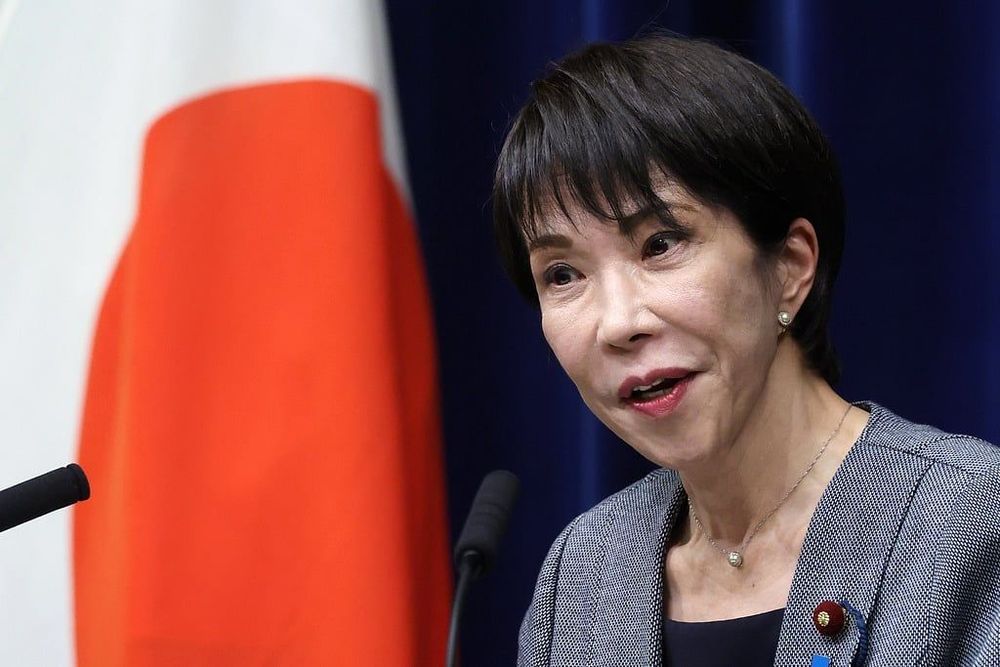
Sleep deprivation post sparks national debate
When Prime Minister Sanae Takaichi posted about finally getting five hours of sleep on Marine Day, a national holiday observed on Monday, July 20, she expected to demonstrate dedication to her role. Instead, her admission that she typically sleeps zero to three hours per night since taking office last October sparked widespread criticism and reopened Japan's painful conversation about its overwork crisis.
Tens of millions viewed her post on X within hours. Opposition lawmakers, medical experts, and ordinary citizens questioned whether chronic sleep deprivation should be celebrated as a virtue. One opposition member warned that prolonged sleep loss impairs judgment as severely as intoxication, while another emphasized that adequate rest is essential for a leader managing national emergencies.
Record-breaking overwork deaths
The backlash reflects deeper anxieties about Japan's persistent struggle with extreme working hours. Government data released this month revealed that karoshi cases reached 1,310 approved claims in fiscal 2025, marking the fourth consecutive year of record-breaking figures. Total workers' compensation claims for overwork-related deaths and illnesses hit 6,212, also an unprecedented high.
The previous year saw 1,304 recognized cases, with more than 1,000 work-related mental health disorder cases acknowledged for the first time. These numbers underscore a crisis so severe that Japan created the term karoshi, death from overwork, after employees began dying from heart attacks, strokes, and suicide caused by excessive hours and relentless stress.
Medical research indicates adults require seven to nine hours of sleep nightly. Chronic sleep deprivation links directly to impaired cognitive function, cardiovascular disease, depression, and compromised decision-making. Japanese people sleep an average of 7 hours and 22 minutes, the lowest among 33 OECD member countries, with 71 percent of adult males getting less than seven hours per night. The economic toll is staggering: sleep deprivation costs Japan an estimated 18 trillion yen annually, representing up to 2.92 percent of GDP, the highest relative loss among OECD nations studied.
Legislative reforms and persistent challenges
Japan has attempted legislative solutions. The Work Style Reform Act, enacted in 2018 and implemented from 2019, introduced legally binding overtime caps of 45 hours monthly and 360 hours yearly, with maximum limits of 100 hours per month and 720 hours annually under exceptional circumstances. The 80-hour monthly overtime threshold, at which karoshi risk increases significantly, has been written directly into Japanese labor law.
Tokyo launched a four-day workweek for metropolitan government employees in April 2025, allowing one weekday off weekly while maintaining 155 required working hours monthly. The initiative aims to improve work-life balance, reduce burnout, and encourage childbearing. Yet only about 8 percent of Japanese companies allow employees three or more days off per week, according to the Ministry of Health, Labor and Welfare, revealing a vast gap between policy ambitions and corporate reality.
Political contradictions
Takaichi's personal work habits gain additional significance given her administration's policy direction. Her government has proposed reforms to ease overtime regulations, ostensibly to address labor shortages. Critics view this as contradictory to efforts combating karoshi, particularly as overwork death statistics continue climbing.
Since becoming Japan's first female prime minister, Takaichi has openly embraced a punishing schedule. Shortly after assuming office, she stated she would abandon work-life balance to focus solely on work. Reports last year that staff were summoned to a meeting around 3 a.m. reinforced her image as a leader equating commitment with extreme hours.
What began as a holiday reflection on social media has evolved into something far larger. The debate now extends beyond one politician's sleep habits to fundamental questions about what dedication means in modern Japan, and whether the nation can finally break free from a culture that continues measuring worth by hours worked rather than outcomes achieved.