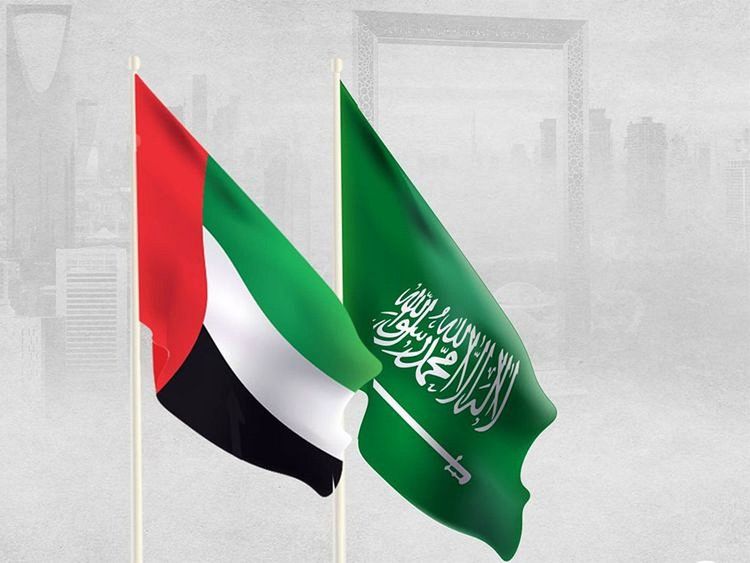
Houthis strike Saudi oil tankers in Red Sea amid escalating maritime blockade
Yemen's Houthi rebels attacked two Saudi oil tankers in the Red Sea with missiles and drones, days after declaring a maritime embargo on the kingdom in retaliation for a nearly 12-year blockade on Yemen.
Houthis strike Saudi oil tankers in Red Sea amid escalating maritime blockade
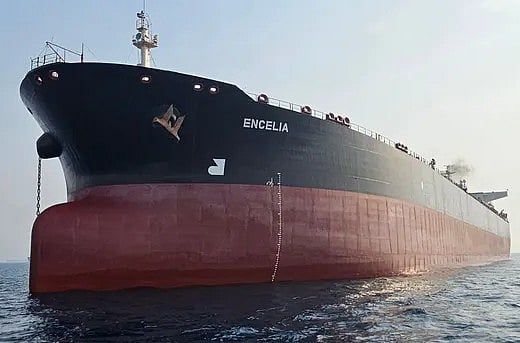
Yemen's Houthi rebels launched missile and drone strikes against two Saudi oil tankers in the Red Sea on Wednesday, escalating a newly declared maritime blockade against the kingdom amid the ongoing conflict with Iran and its allies.
The Houthis identified the targeted vessels as the Encelia and the Layla in a statement posted on Telegram, saying they "carried out a qualitative military operation targeting two Saudi oil tankers that violated the blockade."
The attacks come three days after the Houthis announced a maritime embargo on Saudi Arabia on July 20, citing retaliation for what they describe as an "unjust and oppressive siege" that Saudi Arabia has imposed on Yemen for nearly 12 years. Saudi Arabia leads a coalition that established an air and sea blockade on Yemen in 2015, following the Houthis' seizure of the capital Sanaa in 2014.
The timing of the strikes coincides with heightened regional tensions stemming from the war between the United States and Iran, which began on February 28, 2026, when coordinated strikes by the United States and Israel killed Iranian Supreme Leader Ali Khamenei. Though a temporary ceasefire was brokered by Pakistan on April 8, hostilities have resumed in recent weeks.
Strategic shipping chokepoint under threat
The Red Sea attacks threaten a critical global trade route. The Bab al-Mandeb Strait, through which the tankers were transiting, serves as the third busiest chokepoint in global oil trade. At its narrowest point, the strait is approximately 18 to 30 kilometers wide, with tanker traffic confined to two channels each about two miles wide. Approximately 12 to 15 percent of global maritime commerce and 30 percent of container traffic normally passes through the waterway, which carries around 4.2 million barrels of oil per day.
The Houthis are no strangers to disrupting shipping in these waters. From November 2023 to October 2025, the group conducted a sustained campaign of attacks on Red Sea shipping, striking more than 100 vessels and forcing global shipping companies to reroute around the Cape of Good Hope. After pausing following the Israel-Gaza ceasefire in October 2025, the Houthis resumed attacks in early July, with strikes on July 6-8 killing four seafarers and sinking two commercial vessels.
Saudi Arabia's vulnerability
The attacks on the Encelia and Layla strike at a particularly vulnerable point in Saudi Arabia's energy export infrastructure. With Iran effectively restricting passage through the Strait of Hormuz during the current war—reportedly charging vessels $2 million to transit a waterway that normally carries about 20 million barrels per day of oil exports—Saudi Arabia has increasingly relied on alternative routes.
In recent months, the kingdom has been rerouting oil exports through its East-West Pipeline, also known as Petroline, to the Red Sea port of Yanbu, with loadings averaging 3.8 to 4 million barrels per day. This shift was designed to bypass the Strait of Hormuz, but it has left Saudi shipments exposed to Houthi attacks in Red Sea waters.
The dual threat to both the Strait of Hormuz and the Bab al-Mandeb Strait creates a precarious situation for global energy markets, with two of the world's most critical oil transit routes now under pressure simultaneously.