Colombia declares state of emergency after magnitude 7.4 earthquake; early toll of 111 later rose sharply
A magnitude 7.4 earthquake struck western Colombia on 10 August 2026, prompting a state of emergency, airport closures and offers of help from several countries. The first count of 111 dead was later revised far higher.
 Mariam Al Mansoori
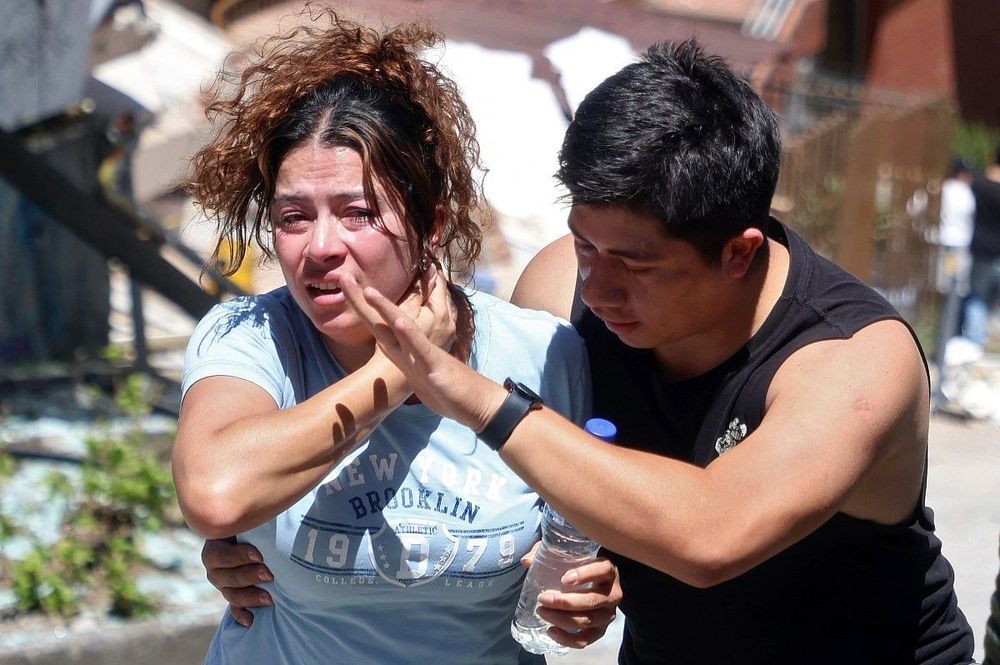
A magnitude 7.4 earthquake struck western Colombia on Monday, 10 August 2026, killing at least 111 people in the first official count and damaging hundreds of buildings, according to President Abelardo de la Espriella. He declared a state of emergency to speed up funding for recovery work and said he would visit the disaster zone in the Chocó region. Later tallies put the death toll much higher.
The quake hit at 7:34am local time, with its epicentre in Chocó. The Colombian Geological Service said it was the strongest earthquake recorded in the country in more than a decade.
A toll that kept rising
The figure of 111 was an early count. Colombia's disaster agency UNGRD reported 285 dead on 14 August, with 3,975 injured and 379 missing. An IOM situation report gave 329 dead, and other running tallies cite at least 335 dead and more than 4,600 injured. Figures have differed by source as assessments continued.
Reports have described it as Colombia's deadliest earthquake since January 1999, when a magnitude 6.1–6.2 quake struck the coffee-growing region around Armenia, killing about 1,185 people. Pereira, hit again this time, lies in that region.
De la Espriella had been in office for only three days. He was sworn in on 7 August in Cali, the first modern Colombian president inaugurated outside Bogotá. Cali later suffered some of the worst damage from the quake.
Widespread damage
The earthquake was centred near San José del Palmar, about 400 kilometres west of Bogotá. The initial depth was put at around 107 kilometres; one later report said the Geological Service had revised it to about 96 kilometres.
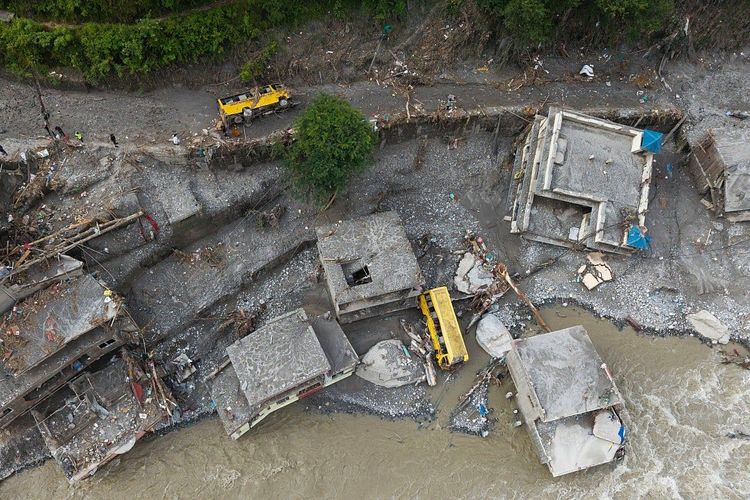
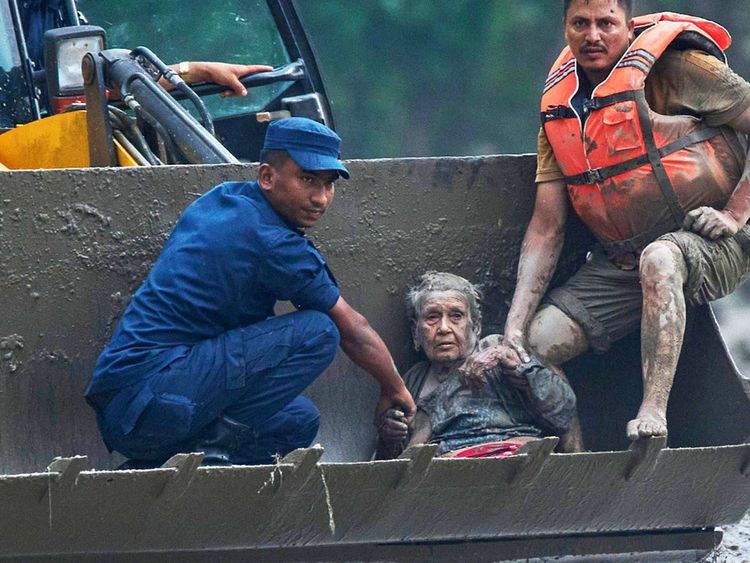
More than 20 municipalities were initially reported as affected, with significant damage in Pereira, Quibdó, Cali and Manizales. By 14 August UNGRD said 426 municipalities had been affected. Rescue teams and residents searched collapsed buildings for survivors.
In Manizales, part of a historic neo-Gothic cathedral collapsed. The Cathedral Basilica of Our Lady of the Rosary is Colombia's tallest cathedral and is described as the tallest neo-Gothic church in the Americas. It was built between 1928 and 1939 and declared a national monument in 1984. The Archdiocese of Manizales said it had withstood earlier earthquakes in 1962 and 1979.
In Cali, Mayor Alejandro Eder said at least 20 buildings crumbled, trapping people under the debris. Chocó's governor warned of serious damage in the provincial capital, Quibdó, where videos showed more buildings reduced to rubble. The quake was also felt in neighbouring Ecuador and Panama, though little damage was reported there.
Early figures cited by the president included 1,575 homes damaged, 61 buildings collapsed and 87 injured. A later report cited more than 206,000 homes damaged, 36,478 destroyed and 743 collapsed buildings across 15 departments, along with a reconstruction cost estimate of up to $12.9 billion over five to six years.
Casualties were concentrated far from the epicentre. A breakdown listed 184 deaths in Valle del Cauca, where Cali is located, and 108 in Risaralda, home to Pereira, against 14 in Chocó. Many deaths were in Cali, about 200 kilometres from the epicentre.
Voices from the ground
"We are all devastated," said Quibdó community leader Luis Gregorio Moreno. "At this moment there are reported deaths, dozens of wounded, but what there are most of are missing people," he said.
Angelica Avila, who was in central Manizales, told the BBC World Service's Outside Source that cracks appeared in the walls of her hotel.
"Everyone was screaming... I saw dust coming out of the neighbouring buildings, and bricks were falling off the walls," she said.
She did not feel safe returning to the hotel and stayed outside while residents assessed the damage.
AFP reporters saw crowds rush into the street, some still in pyjamas. In the capital, where damage was minimal, content creator Valeria Polo, 29, said: "The quake was very, very strong."
Airports closed
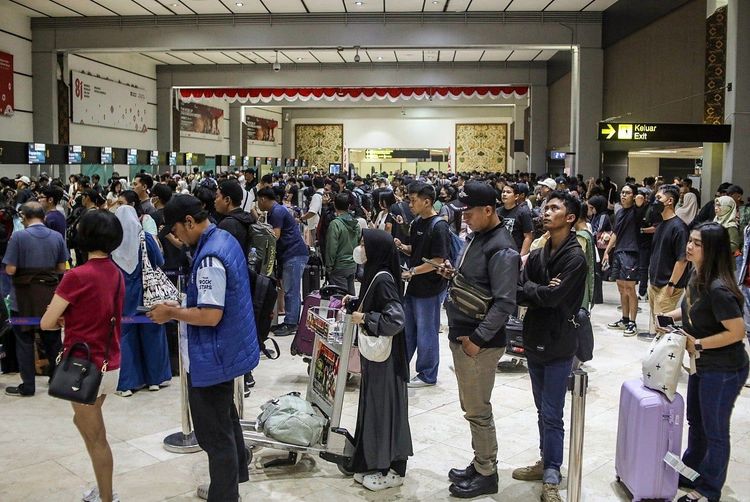
Five airports — Pereira, Manizales, Armenia, Cartago and Buenaventura — remained closed to regular passenger operations and were used only for medical and government flights while damage was assessed. Passengers were urged to contact their airlines.
Flights at Guillermo León Valencia Airport in Popayán were also restricted because of emissions from the Puracé volcano. The volcano had been on orange alert since 1 August, after activity increased from 20 July, and the Geological Service and Popayán's fire brigade ruled out a link with the earthquake. Ash disrupted flights at the airport again on 19, 20 and 27 August.
Schools have also closed in parts of the country. Aftershocks of magnitude 2.8 and 4.8 were recorded. The region lies along the Pacific Ring of Fire, one of the world's most active seismic zones.
Difficult access
Authorities warned that the full extent of the damage and casualties could take time to establish, particularly in remote areas. Chocó is one of Colombia's poorest regions, covered in dense jungle and largely reachable only by boat or plane. Armed-group activity has also left parts of it isolated.
International support
The UAE expressed solidarity with Colombia. Its Ministry of Foreign Affairs offered condolences to the Colombian government and people and wished the injured a speedy recovery.
- El Salvador's President Nayib Bukele said his country was ready to provide rescue teams, medical personnel and supplies.
- Ecuador offered 47 rescuers, specialised dogs and equipment.
- Mexican President Claudia Sheinbaum also pledged support.
- US Secretary of State Marco Rubio said Washington was closely monitoring the situation and stood ready to help, and urged American citizens in Colombia to enrol in the State Department's STEP programme.
European Commission President Ursula von der Leyen said the EU was "ready to provide more support".
"Tonight, Europe's heart is with the people of Colombia after the terrible earthquake in the Choco region. We have already mobilised Copernicus, our satellite service, to help with rescue operations," she said on social media.
Colombian singer Shakira said her heart was with everyone who felt the quake. She offered "strength and love" to her homeland and urged Colombians to stay together and follow official instructions.