Wedding industry emerges from uncertainty with renewed optimism for 2027
After months of postponements and difficult decisions, the wedding sector is regaining momentum with couples confirming dates and professionals adapting to changing expectations. Industry observers predict stronger personalisation, multicultural celebrations and technology-assisted planning ahead.
 Claire Bennett

Weddings find their joy again as industry embraces change and optimism for 2027
The wedding industry has navigated turbulent months marked by postponements, shifting dates and financial uncertainty for both couples and professionals. Now, as decisions are being made again and celebrations move forward, the sector is showing signs of recovery alongside a more cautious, considered approach to planning.
The global wedding services market, valued at USD 1.01 trillion in 2025, is projected to reach USD 2.66 trillion by 2033, reflecting a compound annual growth rate of 12.8 per cent. Closer to home, the UAE wedding planning market stood at USD 1.97 billion in 2025 and is expected to grow to USD 5.5 billion by 2033, underscoring the resilience of the regional industry.
For couples preparing to marry, the emotional weight of recent disruptions has been significant. Moving a date involves far more than adjusting a calendar entry. It affects guests, vendors, finances and carefully coordinated plans. Wedding businesses, many of them small, independently owned operations supporting families and teams, have shown remarkable willingness to listen, explore alternatives and work collaboratively with clients.
Through professional networks and community platforms, the tension between reassurance for couples and patience for vendors has been palpable. Yet the industry's ability to adapt and support those it serves has remained a defining characteristic.
As conversations shift from postponement to confirmation, optimism is returning. Tighter contract clauses and clearer expectations are becoming standard, reflecting lessons learned. Flexibility and structure are no longer seen as opposing forces but as complementary elements of responsible planning.
Personalisation and cultural identity
Looking towards 2027, several trends are expected to shape wedding celebrations. Chief among them is a stronger appetite for events that reflect genuine personality. Couples are anticipated to grow more confident in choosing what feels right for them, whether that involves a cherished family recipe on the menu or an unconventional ceremony format.
The Knot Worldwide's 2026 Real Weddings Study, which surveyed over 10,000 couples married in 2025, found that approximately 2 million couples wed in the United States that year, with an average wedding cost of USD 34,000 and an average guest count of 117. Couples hired an average of 13 vendors to bring their celebrations to life, with Gen Z now representing 41 per cent of the surveyed market.
Values-driven decisions are already on the rise. According to the study, 32 per cent of couples incorporated religious, ethnic or cultural elements into their weddings, while 61 per cent wrote their own vows. That trend is expected to intensify, with personalisation influencing entire celebrations rather than isolated details such as stationery or favours.
In the UAE and across the region, celebrations honouring multiple cultures are anticipated to become more common. This could manifest through bilingual storytelling, distinct ceremonies or menus that give both families a sense of belonging. The GCC destination wedding market, estimated at USD 3.7 billion in 2025, is projected to reach USD 8.7 billion by 2035, with the UAE accounting for half of the regional market.
Guest experience and regional character
Guest comfort is expected to become a more prominent consideration within luxury wedding planning. Thoughtful transport arrangements, comfortable seating, well-paced itineraries and time to properly enjoy the occasion are likely to receive greater attention. After months of uncertainty, having loved ones gathered together may feel more precious than ever, and caring for them beautifully represents a meaningful investment.
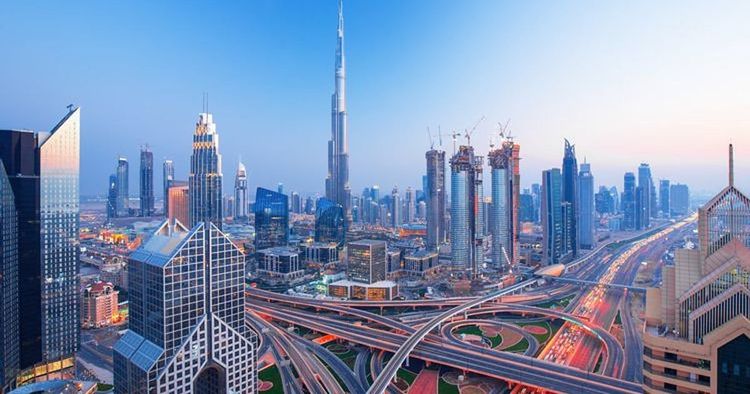
Destination weddings are predicted to become more rooted in the places hosting them. In the region, there is potential for couples to explore local flavours, craftsmanship and experiences that give guests a genuine connection to their surroundings. Dubai alone is home to over 794 hotels providing wedding venues, including iconic properties such as Atlantis The Palm, Four Seasons Resort, Bvlgari, Armani Hotel and Madinat Jumeirah. Ras Al Khaimah saw a 300 per cent increase in wedding revenue in the first half of 2023, signalling growing interest across multiple emirates.
Winter and early spring remain the dominant wedding seasons in the GCC due to favourable weather, while summer continues to see lower activity because of extreme heat. This seasonality shapes planning considerations for couples and venues alike.
Visually, a return to richer colour palettes, expressive textiles and lighting that transforms atmosphere throughout the evening is anticipated. These aesthetic shifts reflect a desire for warmth and personality after a period of restraint.
Technology as planning assistant
Technology is expected to play a growing role in wedding planning, though human expertise will remain essential. AI adoption among couples nearly doubled year-over-year, rising to 36 per cent in 2025. Couples are using AI for functional tasks such as writing timelines and answering etiquette questions, as well as for creative inspiration spanning attire, décor and guest experiences.
Tools that help organise information and simplify communication with guests have a place, but the judgement, empathy and creativity of experienced professionals cannot be replaced. Technology is best positioned as a supportive assistant rather than a substitute for personalised guidance.
The UAE has several new venues entering the wedding market, alongside exciting developments across the wider region and internationally. These additions expand options for couples seeking distinctive settings for their celebrations.
If recent months have reinforced anything, it is the care that sits at the heart of this industry. Challenges have been met with adaptation, professionalism and a commitment to making celebrations happen. As the sector moves towards 2027, that spirit of resilience and service positions it well for a brighter, busier and beautifully celebratory year ahead.