How to prepare the perfect wedding first dance with confidence and meaning
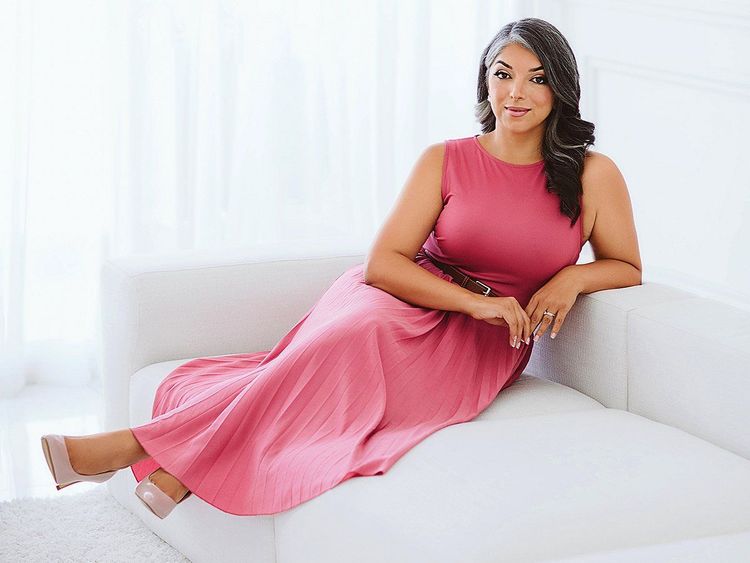
Dance instructor Talina Gonzalez shares expert guidance on creating a memorable first dance that feels natural and authentic, from selecting meaningful music to mastering choreography through professional instruction.
 Aisha Rahman
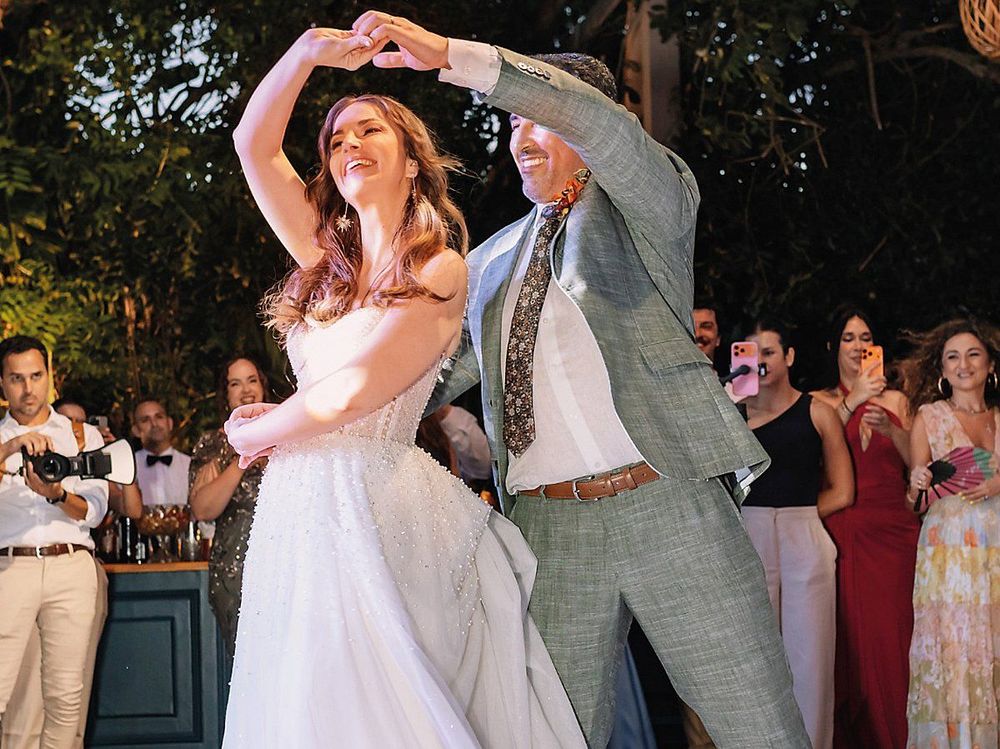
Creating the Perfect First Dance: A guide to confidence, connection, and meaning
Among the countless details couples plan for their wedding day, the first dance stands out as both highly anticipated and potentially nerve-wracking. When the music starts and the room falls silent, all attention turns to the newlyweds—and the pressure to perform can feel overwhelming.
The solution, according to wedding dance professionals, lies not in perfecting complicated moves but in creating an authentic moment that reflects the couple's personality. Nearly 95% of weddings feature a first dance, symbolizing the couple's new life together, yet many approach it with apprehension rather than excitement.
Dance instructor Talina Gonzalez emphasizes that couples don't need to transform into professional dancers overnight. The goal is to move with confidence and connection, not to execute flawless choreography. Research shows that 40% of brides and grooms take dancing lessons for their first dance, recognizing that professional guidance can transform anxiety into assurance.
Selecting the right song
Music selection forms the foundation of any first dance. Today's couples draw inspiration from romantic contemporary hits such as Die With a Smile by Lady Gaga and Bruno Mars—which reached Number One on the Billboard Hot 100 in January 2025 after its August 2024 release and has become a breakout wedding song—along with enduring favorites such as Lover by Taylor Swift and Until I Found You by Stephen Sanchez.
However, popularity shouldn't be the primary consideration. Research by Sonos found that 57% of couples choose their first dance song based on music that reminded them of when they first got together. Beautiful lyrics don't always translate to easy dancing. Tempo, rhythm, musical transitions and song length all influence choreography possibilities.
The UAE's thriving wedding industry—which hosts over 35,000 destination weddings annually, contributing approximately AED 2 billion to the economy—reflects global trends toward personalization and meaningful moments. As the global destination wedding market expands from $48 billion in 2025 to a projected $137 billion by 2029, with the Middle East capturing 5% of this market, couples increasingly seek professional help to perfect their special moments.
Planning your preparation timeline
Successful wedding dances require mastering multiple skills simultaneously: rhythm, timing, leading and following, transitions, musicality, posture, frame and trust. Looking natural together takes dedicated practice time.
Gonzalez recommends beginning approximately three months before the wedding date, though six months provides even better results. The ideal timeframe depends on prior dance experience, schedules, song selection, desired choreography complexity and available practice time. While about 25% of couples take dance lessons to improve their wedding dance, those who commit to the process report significantly higher confidence levels.
Wedding dance instruction typically begins with a 30-minute consultation exploring foundation steps from various dance styles. The Waltz and Foxtrot are considered the easiest ballroom dances for beginners—the Waltz uses a 3/4 time signature with simple patterns, while the Foxtrot employs a straightforward slow-slow-quick-quick walking rhythm. The Foxtrot, popularized in 1914 by Vaudeville actor Harry Fox, has evolved from short trotting steps to the elegant, continuous strides characteristic of modern ballroom dancing.
This initial session also addresses practical considerations including wedding dress design, dance floor dimensions, entrance choreography and couple availability. Wedding dance lessons typically cost between $50-150 per hour for private instruction, with premium packages ranging from $500 to $2,500 for 10-20 weekly classes.
Duration and choreography
The average first dance lasts between two and three minutes, though many couples prefer a shorter 90-second to two-minute performance. Both approaches work well, but more ambitious choreography demands proportionally more preparation time. Some couples even organize surprise flash mob performances with family and friends, though this represents only about 6% of weddings.
Professional instruction emphasizes not just steps but presentation. Attention to posture, hand placement, eye contact, styling and elegance—skills refined through ballroom dance training—elevate a first dance from adequate to memorable. Starting early provides breathing room to practice both the choreography itself and the overall look and feel couples want to project.
What matters most
Successful couples share certain characteristics on the dance floor: commitment to the process, professional coaching, common goals, mutual trust and the ability to enjoy themselves. One of the highest compliments a dance instructor can receive is when couples report that lessons made them fall in love with dancing together.
Guests won't remember if a step is missed or if the timing wavers slightly. They'll remember the way the couple looked at each other, whether they appeared comfortable and whether the moment felt genuinely theirs. The perfect first dance isn't about technical perfection—it's about confidence, connection and creating a meaningful moment that launches married life with joy.