Communities dispute official kidnapping figures in Niger state, claim over 500 missing
Local residents in Nigeria's Borgu district published a list naming 547 people taken during last month's mosque attack, challenging the state governor's claim that only dozens were abducted.
 Omar Al Nuaimi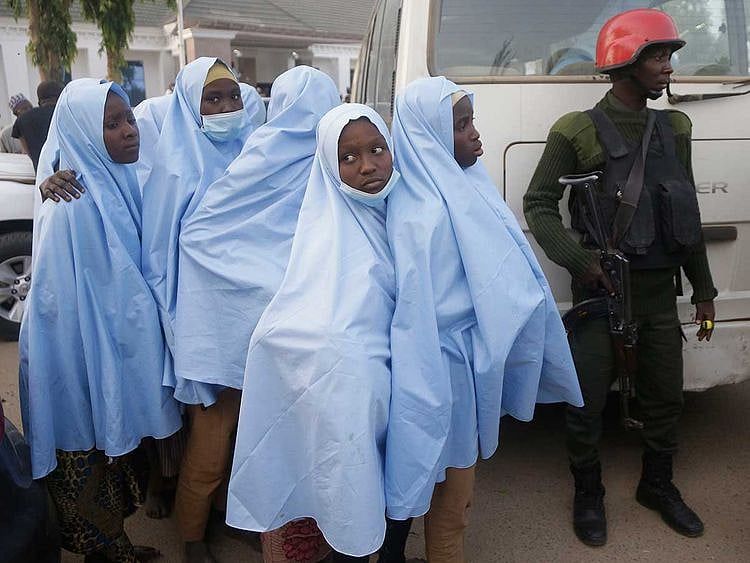
Communities dispute official kidnapping figures in Niger state, claim over 500 missing
Communities in central Nigeria have documented 547 people kidnapped during an attack last month, directly contradicting Niger state Governor Mohammed Umaru Bago's assertion that only a few dozen were taken.
The disputed incident occurred on August 22, 2026, when suspected militants raided the mosque in Dikera during Friday prayers, along with surrounding villages of Kpenya, Giagbasso, Gbenji and Gbebara in Borgu district. The governor's comments on the scale of the abduction sparked protests Monday in the district, which covers approximately 10,992 square kilometers near Nigeria's western border with Benin.
A comprehensive list published Thursday and signed by local youth activist Zubairu Umar names all 547 individuals whose whereabouts remain unknown. The document provides individual names for each person taken during the coordinated attack.
A video circulating on social media following the raid showed several hundred people, many of them women and children, gathered in a forest and presented as hostages from Dikera. Community leader Abubakar Umar reported that approximately 2,000 people fled across the border into Benin following the attacks.
Context of Nigeria's kidnapping crisis
Nigeria is confronting a 17-year insurgency by extremist groups that have made mass kidnappings a central tactic. The country's most notorious case remains the April 2014 abduction of 276 schoolgirls from Chibok in the northeast, of which at least 82 remain in captivity or their fate unknown. Since that attack, more than 1,680 students between ages five and eleven have been abducted throughout Nigeria, with approximately 400 people, mostly women and children, taken by Boko Haram in 2024 alone.
The kidnapping crisis has evolved into a lucrative criminal enterprise. Nigeria's National Bureau of Statistics reported that Nigerians paid approximately $1.42 billion in ransoms from May 2023 to April 2024. According to the consulting firm Nextier, 2,452 individuals were kidnapped during 2024, representing a 31% increase over the 1,878 victims recorded in 2023.
Escalating violence and expanding conflict
Violence linked to banditry has escalated sharply in recent years. During 2024, fatalities from rural banditry and cattle rustling increased to 1,452 deaths compared to 892 in 2023, with most occurring in Katsina, Zamfara and Kaduna states. In mid-2025, security monitoring reports documented a significant surge in violence across Niger, Katsina and Zamfara states.
The jihadist insurgency remains concentrated in Nigeria's northeast, though the recent attack near the Benin border reflects increased activity by local armed groups and militants from the neighboring Sahel region as the conflict has expanded. Northwest and central Nigeria also face threats from armed gangs that raid villages, conduct kidnappings and impose levies on farmers and artisanal miners.
Authorities in Nigeria have previously been accused of minimizing the scale of violence in the country. Bago's spokesman did not immediately respond to requests for comment on the community's documented count.
Following the attack, President Bola Tinubu ordered security forces to launch a coordinated rescue operation. The fate of the 547 named individuals remains unknown more than a month after their abduction.