Sikkim tunnel disaster death toll reaches 22 as rescue teams recover nine more bodies
Rescue operations continue at NHPC's Teesta-VI hydropower project site in Namchi district after overnight efforts recovered nine additional bodies, bringing total fatalities to 22 following methane gas explosion in under-construction tunnel.
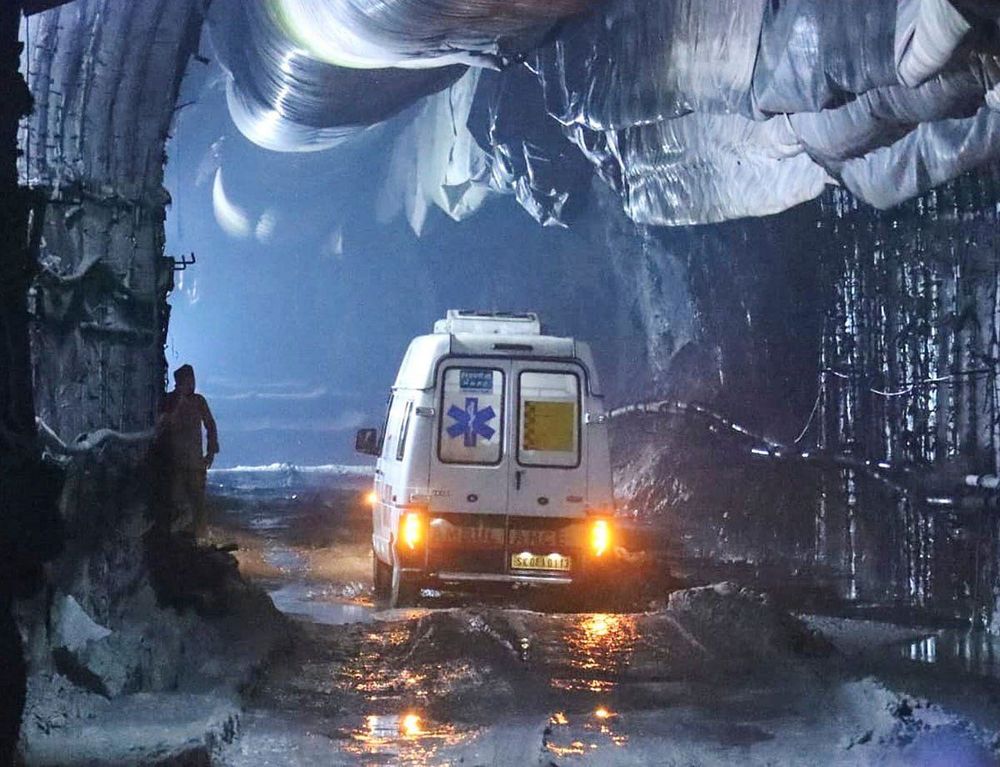
Nine more bodies recovered in Sikkim tunnel disaster, death toll climbs to 22
The death toll from the tunnel collapse at the NHPC Teesta Stage VI Hydropower Project in Sikkim's Namchi district has risen to 22 after rescue teams recovered nine more bodies during overnight operations on Thursday, officials confirmed.
Search and rescue operations continued through the night as multiple emergency response agencies intensified their efforts to locate remaining trapped workers inside the under-construction headrace tunnel. A second specialized rescue team from Eastern Coalfields Limited in Asansol arrived at the site around 10 pm on Wednesday and immediately joined the ongoing operation, working under extremely challenging conditions until midnight.
Project background and scale
The Teesta-VI project is a 500MW run-of-river hydropower facility featuring two headrace tunnels, each measuring 13.75 kilometers in length and 9.8 meters in diameter. The project includes an underground powerhouse equipped with four vertical Francis turbines of 125MW capacity each. When completed, the facility is expected to generate 2,400 million units of electricity annually, with a portion allocated as royalty to Sikkim and the remainder as saleable energy.
The project is part of a cascade of six hydroelectric developments on the Teesta River. NHPC already operates the 510MW Teesta-V project, commissioned in 2008, and is developing the 520MW Teesta-IV facility. NHPC acquired the Teesta-VI project through insolvency proceedings in 2019 after the original developer, Lanco Teesta Hydro Power, faced financial difficulties. The project had been originally allotted in 2005 but experienced multiple delays due to funding issues, geological challenges, and a 2011 earthquake.
Challenging geological conditions
The Teesta River basin lies in a seismically active region of the Himalayas characterized by young, fragile rock formations riddled with fractures and underground pockets that can trap gases. These geological conditions make tunnel construction particularly risky in the area. The accident occurred on July 20 when a suspected methane gas burst trapped within rock formations triggered an explosion inside the tunnel at Samardung, filling it with dense fumes and toxic gases.
Construction of headrace tunnels for hydropower projects involves significant occupational hazards, with rock falls identified as the highest critical risk, alongside electrical hazards, vibration, and exposure to toxic gases during excavation work.
Rescue operations resume after suspension
Operations were temporarily suspended on Wednesday after large volumes of mud and water accumulated inside the tunnel, hampering rescue efforts. As conditions improved, personnel from the National Disaster Response Force, coal experts from Asansol, and other emergency response agencies resumed intensive search and recovery operations.
The state government, district administration, and all concerned agencies continue to closely monitor the situation while providing support to rescue teams and affected families. Sikkim Chief Minister Prem Singh Tamang announced financial assistance for victims on Tuesday and pledged a thorough inquiry into the incident, promising strict action if negligence by the executing company is established.
Regional context
Namchi district, located in southern Sikkim approximately 78 kilometers from state capital Gangtok, is the most industrialized district in the state due to its relatively flat terrain and stable geology. However, the region has faced challenges from both construction accidents and natural disasters. In October 2023, flash floods in the Teesta Basin severely damaged NHPC's operational Teesta-V power station and disrupted construction at Teesta-VI, with flood water entering the powerhouse and washing out connecting bridges.
The Teesta-VI incident follows a pattern of construction accidents in India's Himalayan regions. In 2023, 41 workers were trapped for 17 days in a collapsed tunnel section in Uttarakhand state before being rescued. In February 2026, at least 18 workers were killed in a coal mine explosion in neighboring Meghalaya state.
Rescue operations remain in progress as specialized teams work in close coordination to locate and recover any remaining victims from the tunnel.