Istanbul emerges as global leader in dental tourism as smile makeovers drive beauty travel boom
Turkey now receives over 750,000 dental tourists annually, with Istanbul alone welcoming more than 300,000 international patients seeking smile makeovers, supported by advanced technology and significant cost savings.
Why Istanbul is becoming a global hub for smile makeovers, dental beauty travel
Beauty travel has evolved beyond traditional cosmetic procedures. International travellers are increasingly including dental aesthetics in their plans, viewing their smile as an essential part of their appearance, confidence and overall wellbeing.
Smile makeovers have become central to this transformation. Rather than travelling solely to repair damaged or missing teeth, patients now seek coordinated treatments designed to improve colour, shape, alignment and proportions. Veneers, crowns, dental implants, gum treatments and digital smile planning form part of carefully organised aesthetic journeys.
The scale of dental beauty travel
The global dental tourism market reached between $7.2 billion and $12.48 billion in 2024, with projections showing growth to between $18.5 billion and $65.39 billion by 2033. This represents a compound annual growth rate of approximately 11 to 22 percent, reflecting strong international demand for dental treatments abroad.
Turkey received approximately 1.5 million health tourists in 2024, generating around $3 billion in revenue. Dental treatments rank as the number one choice among European visitors. According to a 2026 market analysis, Turkey's dental tourism now accounts for an estimated 750,000 or more annual international patient arrivals, with Istanbul alone receiving over 300,000 dental tourists per year.
Dental implants represent the largest segment of dental tourism services, accounting for approximately 38 to 39 percent of market share in 2024, followed by dental cosmetics including veneers.
Understanding the shift
This change reflects a broader understanding of beauty. A smile does not exist separately from the face. Tooth proportions, gum symmetry, lip movement and facial features all influence how natural and balanced the final result appears.
Modern dental aesthetics is moving away from standardised transformations towards treatment plans shaped around each patient's clinical condition and aesthetic expectations. Digital Smile Design, an advanced interdisciplinary planning tool, uses high-resolution photography, 3D scans and facial analysis software to plan and visualise dental treatments, allowing patients to preview their future smile before treatment begins.
Istanbul's infrastructure and appeal
Istanbul has become closely associated with this new form of beauty travel. The city is described in official GoTürkiye health tourism materials as the health tourism capital of Turkey, supported by 220 hospitals across private, university and public systems. Istanbul has 8,500 or more dental clinics and 1,800 or more Ministry of Health-certified international healthcare providers, establishing it as the world's single largest dental tourism city by clinic infrastructure.
Turkey has 52 Joint Commission International accredited hospitals, representing one of the highest concentrations of JCI-accredited facilities outside the United States. This institutional framework provides quality assurance for international patients.
International patients are drawn by the availability of aesthetic dental treatments combined with accommodation, transportation and multilingual support. For many travellers, the experience begins before arrival and continues after they return home.
Economic considerations
Patients travelling to Turkey for dental veneers can save 70 to 90 percent compared to costs in the UK and USA. A full set of dental veneers can cost $20,000 or more in these markets, while the same treatment in Turkey ranges from $3,000 to $6,000. This cost differential represents a primary motivation for dental tourism.
U.S. search demand for Turkey dental treatment has experienced tenfold growth since 2021, representing the fastest growth rate of any source country globally. This surge demonstrates rapidly growing international interest, particularly from high-cost markets.
Personalised planning at Mira Clinic
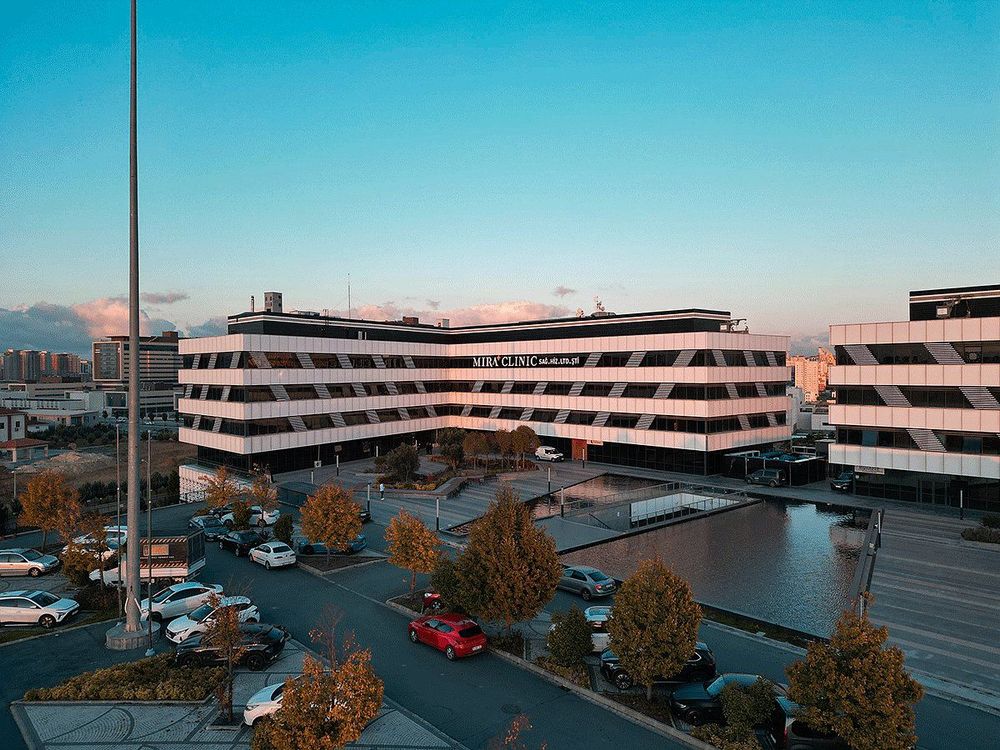
At Mira Clinic, a personalised smile makeover begins with a detailed dental assessment. The dentist evaluates oral health, gum condition, tooth structure and bite function before recommending an aesthetic solution.
Depending on patient needs, treatment may involve veneers, crowns, implants or gum contouring. Digital planning allows the intended smile to be considered in relation to the whole face.
This clinical foundation is particularly important as dental beauty travel grows. A successful smile makeover should not be measured only by how white the teeth appear. It must also respect healthy tooth structure, support comfortable function and create proportions that suit the individual patient.
Building global partnerships
The growth of this sector also depends on trust between clinics and the international partners who help patients organise treatment abroad. Recognising this, Mira Clinic hosted its B2B Dental Partnership Conference in Istanbul, welcoming global partners to experience the clinic's approach firsthand.
The conference allowed partners to explore the medical facility, meet the teams involved in international patient care and learn about the technologies and materials used during treatment. It also encouraged discussions around communication, patient expectations and continuity of support before, during and after the dental journey.
Bringing global partners together reflects an important development in beauty travel. Patients now expect more than an aesthetic procedure. They want transparency, reliable coordination and a clear understanding of every stage of their treatment.
The future of smile travel
As smile makeovers become part of international beauty travel, the strongest experiences will combine aesthetic vision with responsible dentistry. For Mira Clinic, this means treating each new smile as a carefully planned transformation supported by clinical care, global partnerships and an organised patient journey.