UAE-India travellers: Is it worth flying to Dubai to buy an iPhone 18 Pro?
Apple's iPhone 18 Pro costs substantially less in the UAE than in India, but whether a dedicated shopping trip makes financial sense depends on flight costs, customs duties and travel expenses.
 Layla Haddad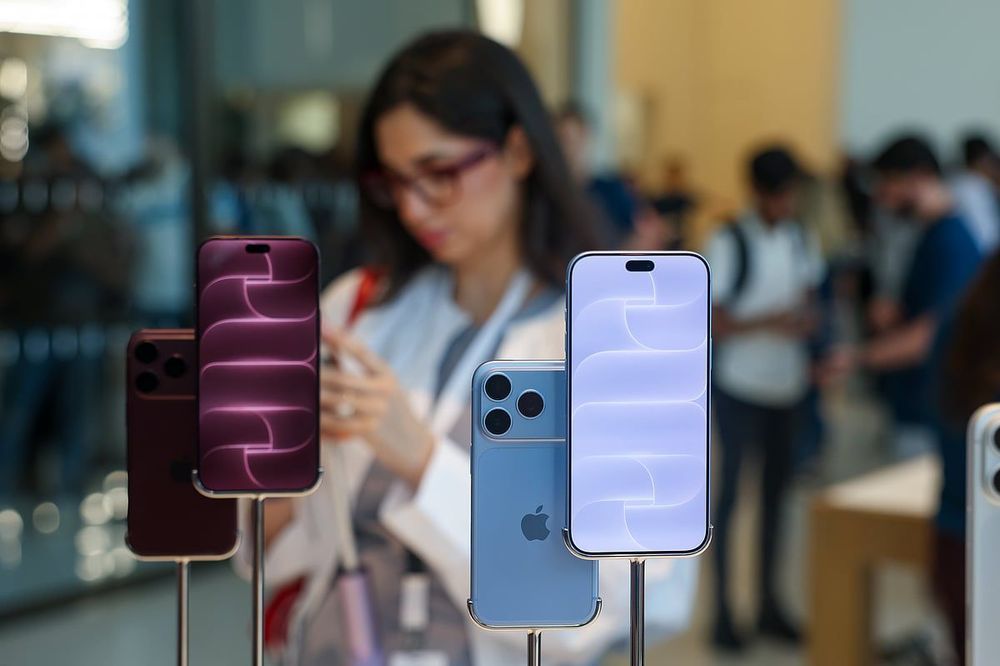
UAE-India travellers: Is it worth flying to Dubai to buy an iPhone 18 Pro?
An iPhone 18 Pro purchased in Dubai costs significantly less than the same device in India at Apple's listed prices. That price gap makes buying one in the UAE attractive for Indians already planning a visit, but booking a flight specifically for the phone requires careful calculation of whether the savings justify the trip.
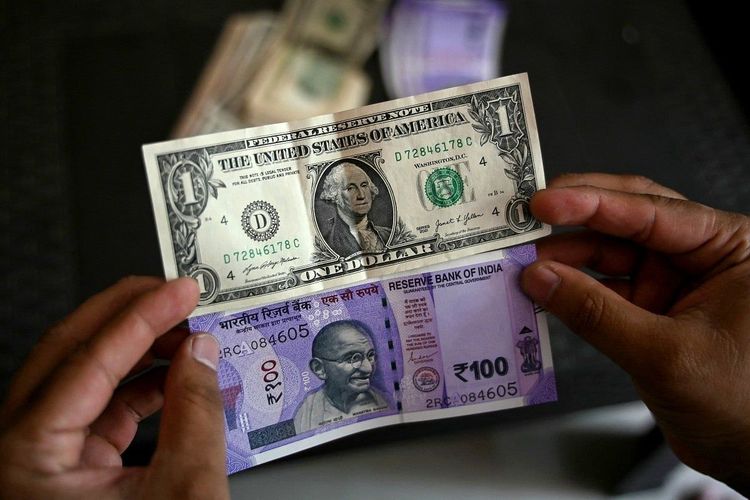
Apple lists the 256GB iPhone 18 Pro at Dh5,099 in the UAE and ₹164,900 in India. The 256GB Pro Max is priced at Dh5,499 in the UAE and ₹179,900 in India. Using the September 24 exchange rate of ₹26.1268 per dirham, the UAE prices translate to approximately ₹133,221 for the Pro and ₹143,671 for the Pro Max. That creates initial price differences of ₹31,679 and ₹36,229 respectively before accounting for payment provider rates, travel costs or customs duties.
The devices went on sale in UAE stores on September 18, 2026, following Apple's announcement event on September 9. Apple adopted an unusual staggered release strategy for 2026, launching the Pro and Pro Max models in September while delaying the standard iPhone 18 until spring 2027.
When does a shopping trip make sense?
For travellers whose Dubai visit is already planned for work, family or leisure, the flight forms part of existing expenses. The phone purchase then becomes a matter of comparing the UAE price against India's retail price, factoring in payment charges and potential customs treatment.
The calculation shifts entirely when the phone itself is the reason for travelling. Consider a buyer whose round-trip flight and related trip costs total ₹30,000. Before accounting for customs or payment fees, the remaining advantage would be roughly ₹1,700 on the Pro or ₹6,200 on the Pro Max. If those trip expenses reached ₹40,000, buying either single phone would cost more overall than Apple's India price.
UAE-India flight prices have varied widely in 2026, with return fares ranging from approximately Dh1,029 to over Dh9,250 depending on the departure city, travel dates and airline. Prices dropped 20-30 per cent on several routes in July 2026 after regional disruptions were resolved, with return trips to New Delhi available for around Dh1,041 and Mumbai for about Dh1,074 during promotional periods.
These are illustrations based on sample costs, not fixed quotes. The actual outcome depends on the city of departure, booking timing, visa requirements, accommodation needs and whether the trip would have occurred without the purchase. Buying two phones increases the initial price difference but does not automatically make a shopping trip viable, as customs allowances belong to individual passengers and cannot be combined.
How customs duty affects the savings
India permits used personal effects needed for daily life to enter duty free. A traveller genuinely using a phone may qualify under that provision depending on the circumstances. However, merely opening a new purchase or discarding its packaging does not automatically convert it into an exempt used personal effect. Indian customs rules explicitly exclude goods brought for commercial purposes from the personal effects classification.
India's Baggage Rules 2026, which took effect on February 2, 2026, increased the duty-free allowance for Indian residents and tourists of Indian origin arriving by air or sea from ₹50,000 to ₹75,000. If customs treats the phone as a new purchase, an eligible passenger arriving by air has this ₹75,000 general duty-free allowance. Duty applies to value exceeding the available allowance.
The baggage duty rate is 35 per cent basic customs duty. India's Union Budget 2026 proposed reducing the customs tariff on dutiable goods imported for personal use from 20 per cent to 10 per cent, but that personal-import tariff is not the rate applied to baggage calculations.
For one new phone assessed at the converted UAE prices, with the full ₹75,000 allowance unused, illustrative duty comes to approximately ₹20,400 for the Pro and ₹24,000 for the Pro Max. The saving against Apple's India price would then fall to roughly ₹11,300 or ₹12,200 before deducting travel or payment costs. Customs valuation and other purchases in the baggage can alter the amount. Goods under the baggage tariff heading are exempt from the social welfare surcharge.
As a separate entitlement under the Baggage Rules 2026, passengers aged 18 years and above may import one new laptop duty-free in bona fide baggage beyond the general ₹75,000 allowance.
Travellers carrying dutiable goods must declare them before entering the Green Channel. Penalties apply for failing to declare items subject to duty.
Product and warranty differences
Before purchasing, buyers should note one technical difference. Apple states that UAE iPhone 18 Pro models are eSIM only, while India models support both a physical nano-SIM and eSIM. Apple's warranty for iPhones is generally valid in the country where the device was originally sold. While service may be possible in other countries under some circumstances, Apple warns that warranty service options may be limited outside the country of purchase, with repairs potentially involving replacement with comparable products that comply with local standards.
The practical distinction remains clear. If Dubai is already part of the travel itinerary, compare the UAE price with the India price, then account for payment costs and how customs treats the phone. If booking a trip for one iPhone, the flight can absorb much or all of the initial price gap, and a duty assessment would narrow it further.