UAE food manufacturers embrace new sodium and sugar limits despite cost concerns
Major producers including iD Fresh Food and Al Ain Farms say they can meet stricter caps on salt, sugar and fat in packaged goods, though some warn of higher production costs that may reach consumers.
 Omar Al Nuaimi
Food makers say UAE salt and sugar rules are doable
Major food manufacturers in the UAE say they are ready to comply with new government limits on sodium, sugar and fat in packaged products, though some caution that transition costs could push prices higher in the short term.
The Ministry of Health and Prevention has set phased reduction targets for categories including bread, flavoured yoghurt, laban, processed cheese and chips, with final limits taking effect on December 31, 2030. Companies that fail to comply face fines ranging from Dh5,000 to Dh500,000.
The regulations address a significant public health challenge. The UAE has a diabetes prevalence of 20.7 percent as of 2024, according to the International Diabetes Federation, while adult obesity affects 44.2 percent of women and 30.9 percent of men. Non-communicable diseases accounted for 77 percent of total deaths in the country in 2016, with cardiovascular diseases responsible for approximately 40 percent of all deaths nationally.
Globally, populations consume more than double the World Health Organization's recommended sodium intake. The WHO advises adults to consume less than 2,000 mg of sodium per day, equivalent to less than 5 grams of salt, yet the global mean intake reached 4,278 mg per day in 2021. The organization also recommends reducing free sugars to less than 10 percent of total energy intake, with a conditional recommendation to reduce it below 5 percent for additional health benefits.
iD Fresh Food sees minimal impact
iD Fresh Food, which produces chapatis, parathas and dosa batter, expects to meet the new standards with little reformulation required. PC Musthafa, Chairman and Global CEO, said the company has followed a clean label approach for two decades and anticipates compliance ahead of the deadlines.
The UAE represents iD Fresh Food's second-largest market after India, generating close to 30 percent of the company's total revenue of approximately 680 crore rupees (about $78 million) in FY2025. Musthafa described the company's facilities as mega kitchens that use ingredients and recipes familiar from home cooking.
Herbs, spices and fermentation, where appropriate, can bring depth of flavour without relying on excess salt or sugar. We have never taken shortcuts, and we never will. Most of our core products already meet the prescribed limits, so we do not expect a noticeable change in taste.
He called the phased rollout constructive, as it allows businesses to spread investment across financial cycles and gives consumers time to adjust their palates. However, he warned of near-term financial pressure.
In the short to medium term, production costs will increase. This will be driven by R&D testing, vendor compliance audits, accredited laboratory testing, and the sourcing of unadulterated raw materials.
While some additional costs may be reflected in retail prices, Musthafa said increases are not inevitable.
Over time, efficient sourcing, better processes and scale can help businesses absorb transition costs and keep everyday food accessible.
Al Ain Farms has already started reformulation
Al Ain Farms, which produces milk, yoghurt and laban, has already begun adjusting its products. Hassan Safi, Group CEO of Al Ain Farms Group, linked the work to the company's role as the UAE's leading food producer.
A healthier community is a shared responsibility, and as the UAE's leading food producer, we at Al Ain Farms Group believe we have an important role to play in advancing the nation's wider wellbeing ambitions.
The company has reduced added sugars by 10 to 20 percent in selected products under its Healthy Living initiative, while maintaining taste and quality. Safi acknowledged the financial commitment.
While reformulation requires significant one-time investment, it is one we undertake with pride because nothing matters more than ensuring that we continually improve the nutritional profile of everyday products.
He expressed hope that the initiative would encourage broader industry action, making healthier choices easier and more accessible for everyone.
Specific targets and regulatory flexibility
The regulations set precise reduction targets for different food categories. Leavened bread must reduce sodium from an initial 444 mg per 100 grams to 370 mg, while sugar caps drop from 6 grams to 5 grams per 100 grams and total fat from 8.4 grams to 7 grams. Sweetened or flavoured yoghurt and laban will eventually be capped at 10 grams of total sugars per 100 grams. Sodium in chips and similar snacks will fall from 564 mg to 470 mg per 100 grams.
Businesses producing bread have nine months from the date the resolution takes effect to meet first-stage limits. Processed cheese makers receive two years and three months. The government has built in flexibility for challenging reformulation cases. Companies may apply for an exception to first-phase limits if compliance requires reducing a targeted ingredient by more than 20 percent. Applications must be submitted within 30 days and supported by technical information and laboratory test results.
Products manufactured or placed on the UAE market before the new requirements take effect can remain on sale for up to one year, or until their expiry date, whichever comes first. This transition period aims to minimize disruption for both manufacturers and retailers.
Part of broader health strategy
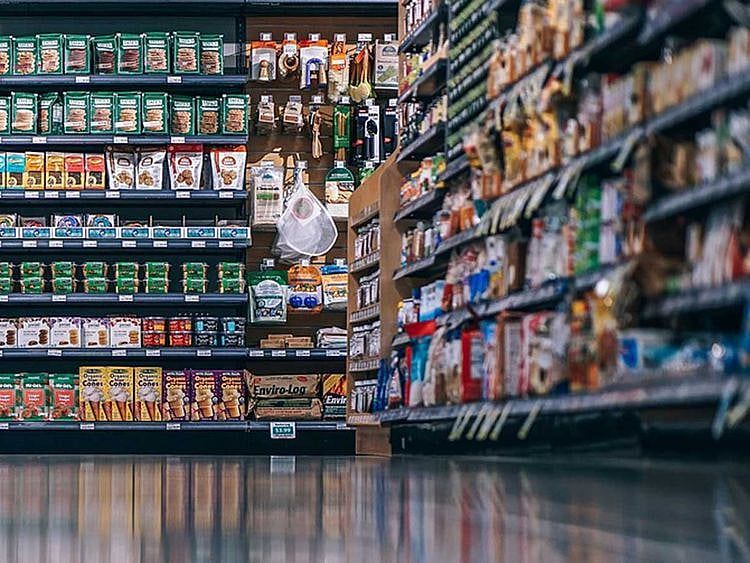
The federal food reformulation policy fits within a broader effort to improve public health across the UAE. Abu Dhabi has introduced parallel measures under its Healthy Living Strategy, including restrictions on where high-fat, salt and sugar foods can be displayed in large supermarkets, tighter controls on fast food advertising, stronger nutrition standards in schools and healthier menu requirements in hotels and restaurants.
The UAE's approach aligns with regional coordination on food standards through the Gulf Cooperation Council. The Gulf Standardization Organization coordinates food standards across the GCC member states, which include Saudi Arabia, Kuwait, Bahrain, Oman and Qatar alongside the UAE. This regional framework means other Gulf countries may follow similar regulatory paths, affecting food manufacturers operating across multiple markets.