Why showing up matters: The lasting impact of parental presence in a child's life
Children may not remember every lesson, but they will always remember who stood beside them during life's milestones. Research reveals how parental involvement shapes academic success, emotional resilience and lifelong values.
 Claire Bennett
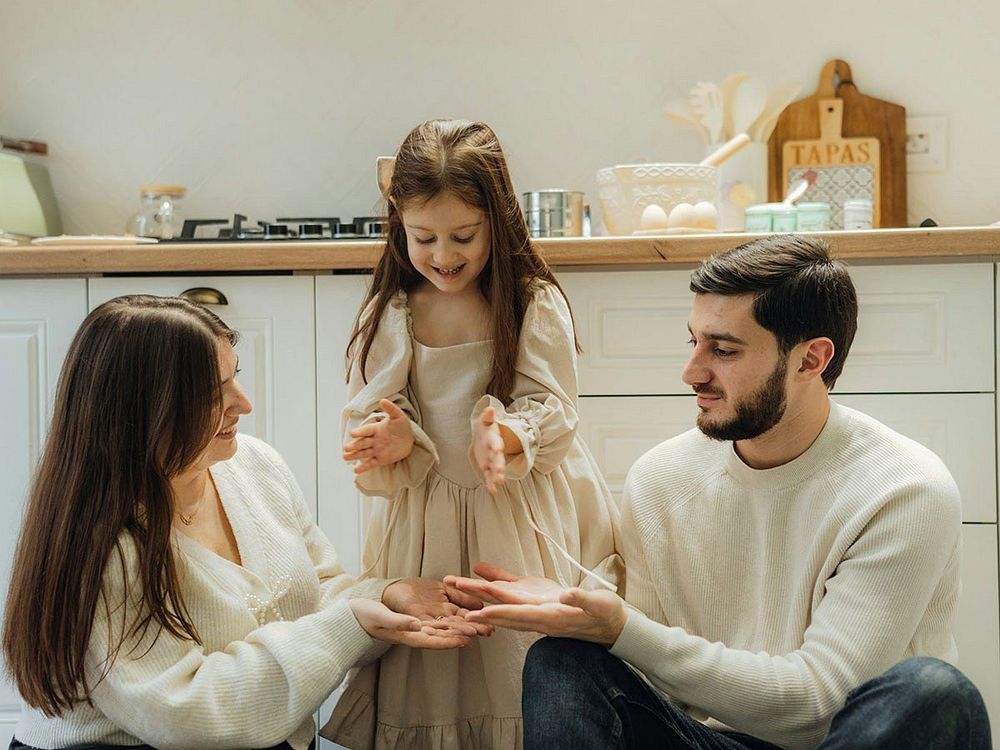
What being present truly means
Being present is not about supervising every aspect of a child's life or orchestrating every experience. Nor does it mean being constantly available at the expense of professional or personal commitments. Research shows that mothers who work full-time spend less total time with children but tend to trade quantity for better quality time, with maternal work having no effect on time in activities that positively influence children's development.
Rather, being present means making children feel that they matter, that their experiences are worth our time and that they can count on us to show up when it counts. Emotional availability, defined as the capacity of parents to be emotionally responsive and accessible without intrusiveness or hostility, contributes significantly to children's well-being and development. This positive parent-child relationship quality is critical for buffering children from the effects of stress.
Consider the seemingly routine moments of school life. Attending an open house, checking in with a teacher, watching a child participate in a sports event, sitting through a school concert or applauding a small role in a stage performance may appear inconsequential. Yet, for a child, these moments carry enormous significance. A parent sitting in the audience, making eye contact, smiling reassuringly or applauding enthusiastically sends a powerful message: I see you. I value what you do. I am proud of you.
The evidence behind parental involvement
The impact of parental presence extends far beyond emotional reassurance. Research demonstrates that parental involvement has a positive and moderate impact on academic achievement across primary and secondary school levels, with particularly strong associations found when families maintain communication with children about school activities and develop reading habits.
According to research published by the American Psychological Association, parental involvement not only improves academic outcomes but also has a positive impact on students' social and emotional skills and decreases instances of delinquency. Studies reveal that this involvement encompasses behavioral aspects like showing up, cognitive dimensions such as being genuinely interested, and affective elements including being supportive.
Interestingly, a 2024 study found that for working parents experiencing parental burnout, involvement in their children's education enhances their flourishing experience at home and subsequently improves work engagement and creative process engagement at work. The benefits flow both ways.
Navigating modern distractions
In today's digital age, physical presence without genuine engagement has become increasingly common. A 2025 cross-sectional study in the UAE found that children averaged 4.05 screen hours per day, with adolescents aged 11-15 averaging 5.05 hours daily. Each additional hour of screen time was associated with increased behavioral symptoms including reduced attention and decreased physical activity.
Sometimes, being present means putting the phone away and listening to an animated account of an ordinary school day. At other times, it means rearranging a schedule to attend a match, making time for a difficult conversation or simply sitting beside a child who is upset without rushing to offer solutions. It means recognizing that a child's definition of an important moment may be very different from ours.
The moments that matter most
Children only need us to celebrate their major accomplishments, we might think. In reality, they need us just as much, if not more, when they are trying something unfamiliar, struggling to find their footing or simply doing their best in an activity where they may not be the star. When a child has only a small part in a concert, the significance is not measured by the number of lines spoken or the duration of the performance. It lies in the courage to step onto the stage, the willingness to participate and the confidence that comes from knowing someone important is watching.
Even when parents are not physically around, the values they have modeled and the emotional safety they have nurtured continue to influence the choices their children make. Their presence becomes internalized, a quiet yet steady voice that helps them distinguish between what is convenient and what is right, between what is popular and what aligns with their own principles.
A fleeting opportunity
Parenting is not a test of perfect attendance. What matters is the consistent effort to be involved, the sincerity of our interest and the assurance that children are never alone in navigating the experiences that shape them.
One day, the school uniforms will be put away, the school buses will no longer be part of the morning routine, and the calendars that once revolved around parent-teacher meetings, examinations and annual days will make way for university timetables, professional commitments and independent lives. The opportunities to participate in these everyday school experiences will gradually disappear.
Perhaps the greatest measure of successful parenting is not how much we do for our children, but how deeply our presence prepares them to live well when we are no longer beside them. This is the enduring gift of parenting: raising children who can eventually stand on their own while carrying the wisdom, values and emotional strength that have been nurtured through years of connection.
Show up. Be there not because every moment is extraordinary, but because every moment is an opportunity to remind a child that they are loved, valued and supported. Childhood does not wait for a convenient time in our calendars. The years when children are growing up and looking to us for reassurance are precious, fleeting and unrepeatable. Long after children have outgrown the need for our physical presence, they will carry with them the strength of knowing that we were there when it mattered.