Al Ain Zoo Plans Animal Ambassadors for Conservation Outreach Across the UAE
Selected animals at Al Ain Zoo will help teach audiences across the UAE about conservation and animal care under a program now in development. The zoo plans to bring the ambassadors to schools and public events, feature them on social media and introduce them to visitors on-site, but the program is not yet open to the public.
 Omar Al Nuaimi
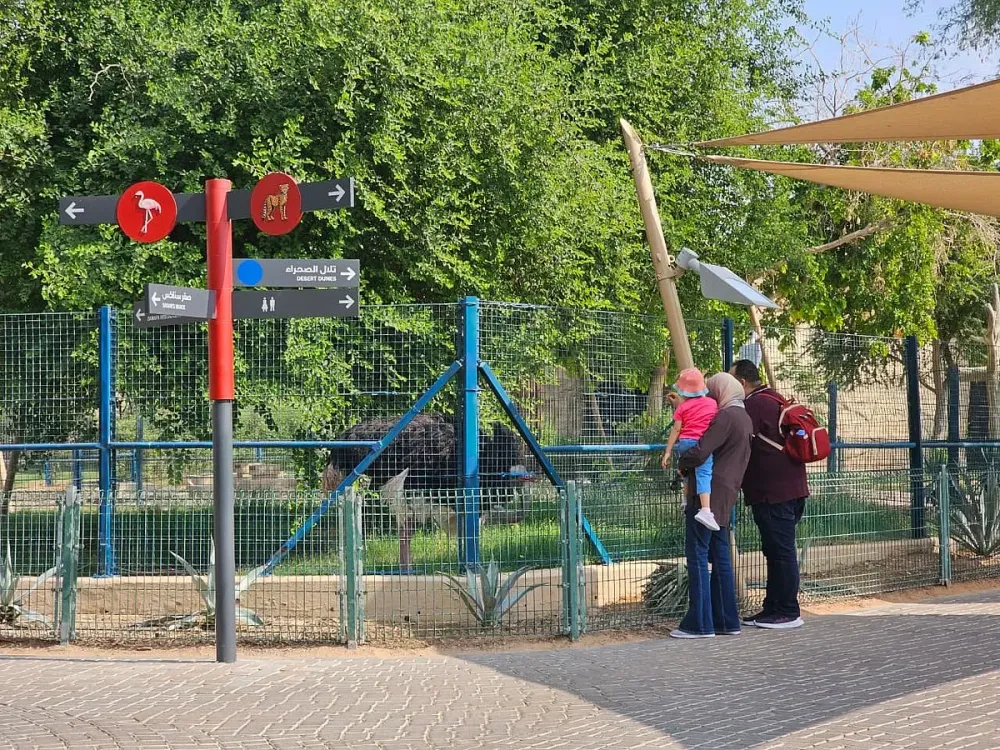
Reaching audiences at the zoo and beyond
Al Ain Zoo's senior bird trainer, Saeed Rashed Abdullah Al Zaabi, said each animal in the Ambassador Animal Program would represent a particular message. The zoo hopes the animals will become recognizable to audiences, adopting an approach already used by major zoos internationally.
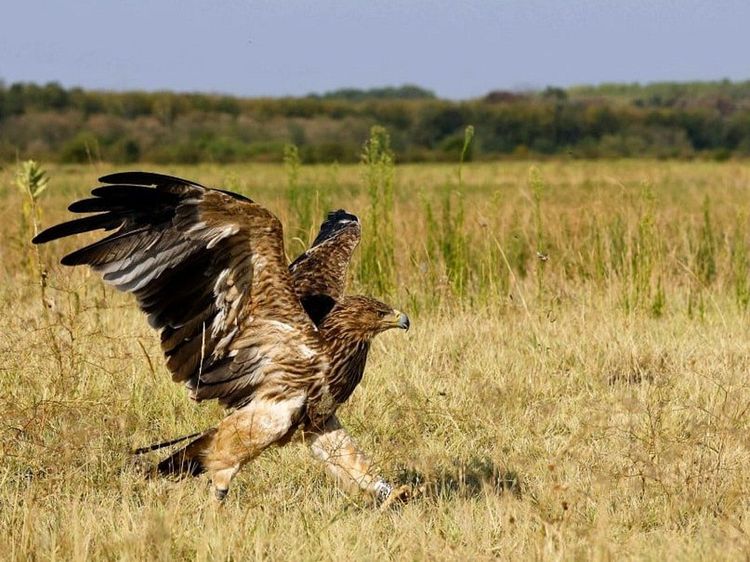
Birds, including birds of prey, will be among the ambassadors, alongside domestic animals such as rabbits and guinea pigs. Most of the zoo's reptiles could also qualify. "If they can deliver a specific message to kids, they can be an ambassador," Al Zaabi said.
The lessons will address everyday pet care as well as wildlife conservation. Al Zaabi said that includes teaching people how to care for cats and dogs and notice small details they might otherwise overlook.
The zoo already participates in school activities and major public events around the UAE. Al Zaabi said taking ambassador animals to those gatherings would reach more people than visits to the zoo alone. Social media will provide another outlet for the messages.
Zoo staff will manage the program themselves, using animals from their own collection. Alongside the outreach appearances, visitors will be able to meet the ambassadors at the zoo.
Preparing staff for the program
Al Zaabi recently completed Principles of Ambassador Animal Management as part of preparations. The course belongs to the Association of Zoos and Aquariums' Professional Development program. Its fall 2026 edition was a six-day intensive held October 19-24 in Baltimore, Maryland.
According to the Association of Zoos and Aquariums (AZA), the course serves staff who coordinate or manage ambassador animals, educators who use them in programs, ambassador animal and interpretive keepers, and museum professionals responsible for live animals. Instructors include curators from San Diego Zoo, North Carolina Zoo, Cincinnati Zoo & Botanical Garden, Denver Zoo and Nashville Zoo.
Al Ain Zoo also holds AZA accreditation. The World Association of Zoos and Aquariums welcomed it as an Institution Member on September 10, 2025, and identifies the zoo as the founder of the Emirates Zoo and Aquarium Association.
Conservation work behind the public messages
Protecting endangered wildlife, particularly the Arabian oryx, was the purpose behind the zoo's establishment in 1968 by the late Sheikh Zayed bin Sultan Al Nahyan. Its collection now numbers about 5,000 animals, and its conservation work includes the Arabian sand cat and Dama gazelle.
According to Gulf Today, the zoo helped develop the Dama Gazelle Conservation Strategy 2019-2028 with the International Union for Conservation of Nature and other international partners. It is now among the world's largest breeding centers for the critically endangered gazelle, supporting efforts to return the species to its natural habitat.
Genetic research also informs the zoo's conservation decisions. Gulf Today reports that staff use DNA analysis to identify and classify animals, preserve genetic diversity and guide exchanges with international institutions involved in species conservation programs. The Zoological Information Management System, or ZIMS, brings together health, genetic and behavioral records for researchers and veterinarians.
The zoo successfully bred sand cats last year, and the animals were reintroduced to their natural habitat. It has also bred the UAE-native wonder gecko. Visitors to the Reptile Park can learn about reptiles' roles in healthy ecosystems while seeing geckos, snakes, giant tortoises and crocodiles.
Animal encounters and desert learning
The planned ambassadors will join an existing range of animal encounters. Al Ain Safari, one of the world's largest man-made safaris, features African lions, white rhinos and giraffes across landscapes designed to resemble their natural habitats. Other options include giraffe feeding, the Lemur Walk, Breakfast with Giraffes and Dinner with Lions. Restaurants and cafés serve visitors throughout the grounds.
For 8-year-old Maarij Mansoor, the visit marked the end of her exams and a good score. She named the gorilla as her favorite animal and enjoyed feeding a giraffe during the safari. "I will tell my friends that I went to the zoo, and watch the animals move around," she said.
Saeeda Arshad, a finance supervisor accompanying Maarij, said she had been encouraged to find five particular animals during the safari and had already seen two. The search had become a topic of discussion in her family group.
At the Sheikh Zayed Desert Learning Centre, visitors explore the UAE's biodiversity, natural environment and environmental heritage through interactive exhibits, multimedia displays and guided experiences. Desert wildlife adaptations are among the subjects covered.
Mohab Alqedra, a 13-year-old YouTuber visiting to discuss his understanding of conservation, said he especially liked predators, including lions and cheetahs. He praised the government's work to protect wildlife, particularly the animals seen on safari. His twin brother, Zaid, said the visit helped him learn about desert science and that giraffe feeding was his favorite activity.
Learning opportunities elsewhere include wildlife workshops, guided tours, seasonal camps and educational programs. Keeper talks introduce children to animal behavior and habitats, while the Children's Discovery Garden offers younger visitors encounters with rabbits, pygmy goats, ducks and other animals.
Winter camp to teach hands-on animal care
A planned horse-care program at the zoo's barn project will form part of its winter camp activities for young horse enthusiasts. Students will learn about horse care and wider animal welfare through practical work and educational sessions.
Planned activities include watching horse behavior, recognizing signs of physical discomfort or limping, grooming and showering horses, and studying their anatomy.
The zoo team said it develops specific plans for every animal introduced to the collection. Veterinary technician Alanoud Ali Alkaabi said animal training is used "in order to reduce the stress level in animals and to introduce the medical side through training instead of embolisation and others."
Students will also make enrichment activities using safe, recycled materials, including paper bags and boxes. Al Zaabi said they are encouraged to devise mental challenges that keep animals occupied in their habitats. "They will DIY each of the activities," Alkaabi said.