Dubai office sales rise 11.7% in Q3 as smaller investors drive market shift
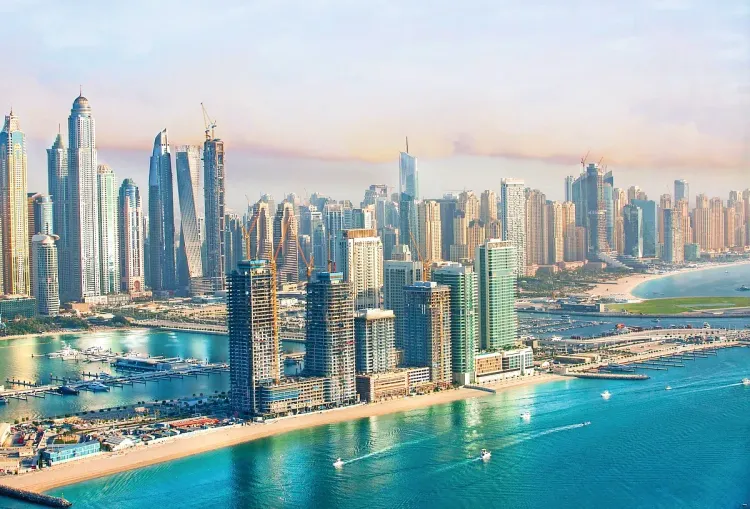
Office transactions in Dubai increased to 1,123 units in the third quarter of 2026, while Downtown Jebel Ali overtook Business Bay as the emirate's most active office location, according to CRC Property's latest commercial real estate report.
 Mariam Al Mansoori
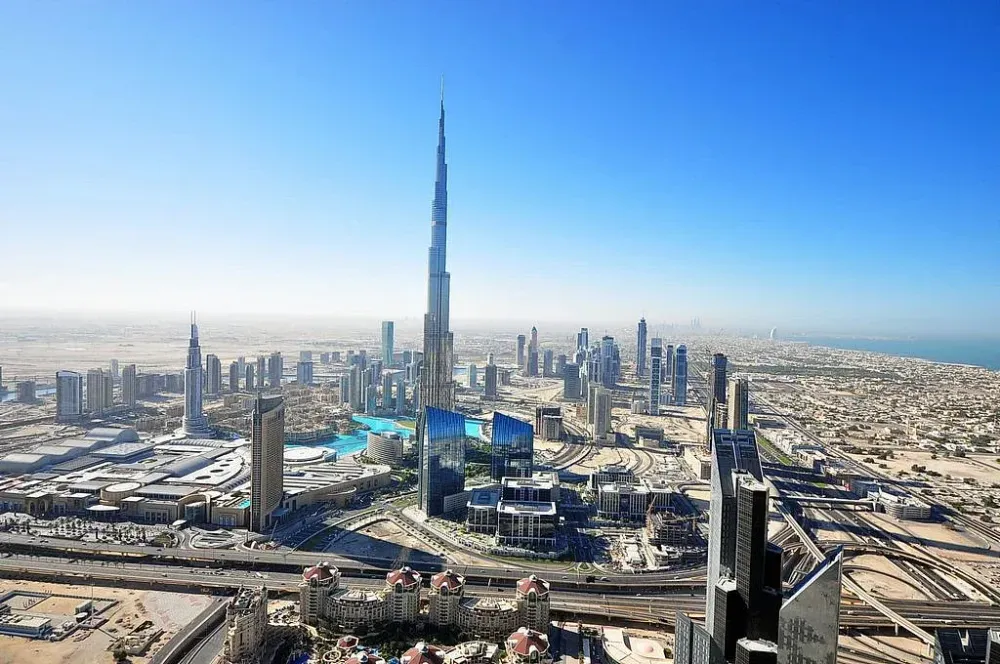
Smaller investors return to market as Dubai office sales jump in Q3
Dubai's office property market registered 1,123 sales transactions during the third quarter of 2026, marking an 11.7 per cent increase from the previous quarter, as smaller investors returned to the market following months of declining activity dominated by large institutional deals.
The growth in office transactions contrasted with the overall commercial property market, which recorded 2,789 sales transactions worth Dh18.04 billion during the quarter. While transaction counts declined just 1.8 per cent quarter-on-quarter, total sales value fell 25.6 per cent, reflecting a pronounced shift toward lower-value deals.
The third-quarter performance follows a record-breaking first half of 2026, when Dubai's commercial real estate market recorded 6,470 sales transactions worth AED 62.2 billion, the highest sales volume and value ever recorded during a first half. Office sales had increased 35.3 per cent year-on-year to 2,570 transactions during that period, while retail sales rose 50.2 per cent to 853 transactions.
Office transaction values decline despite volume growth
Despite the increase in office transaction counts, their total sales value declined 42 per cent to Dh4.35 billion during the third quarter. The average office transaction value fell to approximately Dh3.87 million, indicating growing participation from individual and smaller institutional investors.
Office sales value remained 40.4 per cent higher than in the same period last year, suggesting sustained interest in the sector despite quarterly fluctuations.
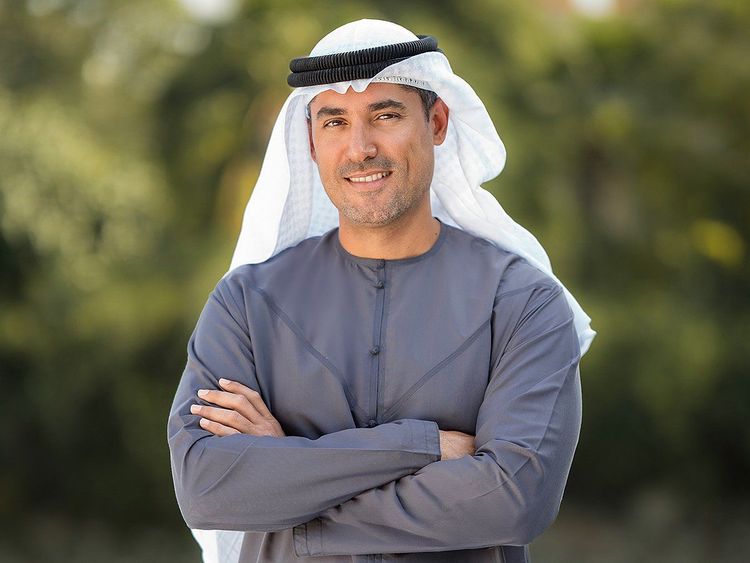
Behnam Bargh, Managing Director of CRC Property, characterized the third quarter as a period of market adjustment rather than recovery.
"Q3 was a quarter of stabilisation rather than recovery. Deal counts held firm, but the mix shifted toward smaller transactions,"
Bargh said, advising investors and occupiers to focus on realistic pricing and quality income-generating properties.
Downtown Jebel Ali emerges as top office location
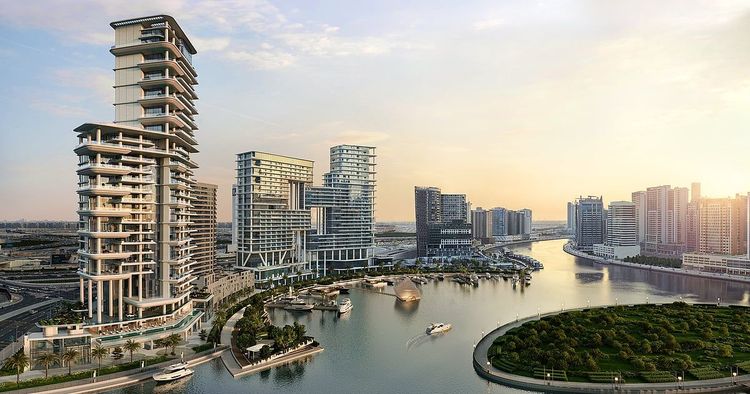
Downtown Jebel Ali accounted for nearly 30 per cent of all office transactions during the third quarter, overtaking Business Bay as Dubai's most active office location. The mixed-use development, located 35 kilometers southwest of Dubai along Sheikh Zayed Road and developed by Limitless, has benefited from its proximity to Jebel Ali Free Zone, which contributes 23 per cent of Dubai's GDP and hosts more than 7,000 companies active in trade, logistics, manufacturing and industrial sectors.
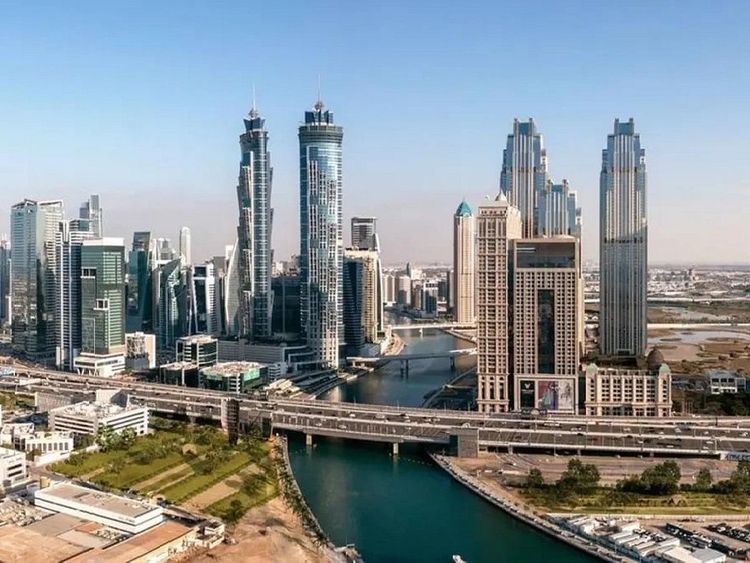
The shift is particularly significant given Business Bay's traditional dominance of the office market. The district contains over 16 million square feet of office space across nearly 60 office towers and previously commanded approximately 46 per cent of Dubai's office market transaction share.
Jumeirah Lakes Towers ranked third among office locations during the quarter, recording 162 transactions, an increase of 47.3 per cent.
Average secondary office selling prices declined 1.2 per cent to Dh1,930 per square foot during the third quarter, a smaller decrease than the 3.4 per cent fall recorded in the second quarter. The relatively modest price adjustment occurred against a backdrop of strong rental growth, with Dubai office rents rising 13 per cent year-on-year in the first half of 2026 and prime office rents increasing 16 per cent, while occupancy rates reached approximately 94-95 per cent.
Industrial land sales reach Dh6.81 billion
Commercial land transactions reached Dh6.81 billion during the third quarter, accounting for approximately 38 per cent of total commercial property sales value. The figure reflects sustained demand for industrial real estate, with industrial property requirements reaching 12.3 million square feet in the first half of 2026, up from 11.5 million square feet during the same period of 2025.
Ashley Sonnenberger, Industrial and Logistics Manager at CRC Property, attributed the demand for industrial land to supply constraints and investor strategies.
"With local authorities no longer releasing new land, investors and occupiers seeking long-term industrial positions are securing sites directly rather than waiting for fresh allocations,"
Sonnenberger said.
Around 6.6 million square feet of new industrial and logistics space is scheduled for delivery in Dubai during 2026, with the majority being Grade A properties that are significantly pre-leased, further tightening available supply.
Retail enquiries surge as payment preferences shift
CRC Property reported a 15 per cent quarter-on-quarter increase in buyer enquiries during the third quarter, with retail enquiries recording the strongest growth at 34 per cent. The increase suggests continued investor interest in selected commercial property segments despite lower overall transaction values.
The report also highlighted a shift in commercial leasing payment preferences, with instalment-based payment plans accounting for 83 per cent of CRC Property's commercial leases during the third quarter, up from 73 per cent in the second quarter. The share of leases paid through a single annual cheque declined from 27 per cent to 17 per cent, indicating that businesses are increasingly prioritizing cash flow flexibility when negotiating commercial leases.
The market dynamics unfold against the backdrop of Dubai's D33 Economic Agenda, which aims to double the size of Dubai's economy by 2033. The UAE commercial real estate market is projected to grow from USD 53.77 billion in 2026 to USD 73.09 billion by 2031.
Off-plan commercial property investment has surged dramatically, with transactions increasing from 1,239 worth AED 3.0 billion in the first half of 2025 to 3,123 worth AED 17.0 billion in the first half of 2026, demonstrating strong investor appetite for new commercial developments.
Bargh emphasized that investors are becoming more selective as Dubai's commercial property market adjusts to changing economic conditions. The third-quarter data suggests that smaller transactions, demand for quality office space in alternative locations, and sustained interest in industrial land are helping maintain market activity even as the overall value of commercial property deals declines.