Marriage proposals emerge as major luxury business sector in UAE hospitality economy
Professionally curated marriage proposals have evolved from simple dinner events into elaborate luxury experiences valued up to AED 500,000, creating commercial opportunities across Dubai's hospitality, tourism and entertainment sectors.
Marriage proposals emerge as major luxury business sector in UAE hospitality economy
Marriage proposals have transformed into a distinct luxury business segment within the UAE's hospitality economy, moving far beyond traditional dinner-and-ring scenarios to become elaborate, professionally orchestrated experiences that generate significant revenue across multiple industries.
The shift represents a fundamental change in how milestone celebrations are commercialised. What once served as a prelude to wedding planning has evolved into a standalone event involving premium hotels, private yachts, helicopters, desert destinations, photographers, florists, musicians and bespoke event designers. In many instances, the proposal celebration has become the first major expenditure, occurring well before couples begin wedding preparations.
A decade of transformation
Ankur Bagga, Founder of Proposal Dubai, has spent over two decades curating proposals and identifies the past ten years as a period of remarkable transformation. A decade ago, proposals represented a minor line item within wedding budgets. Today, they command dedicated planning timelines, separate budgets and highly personalised production values.
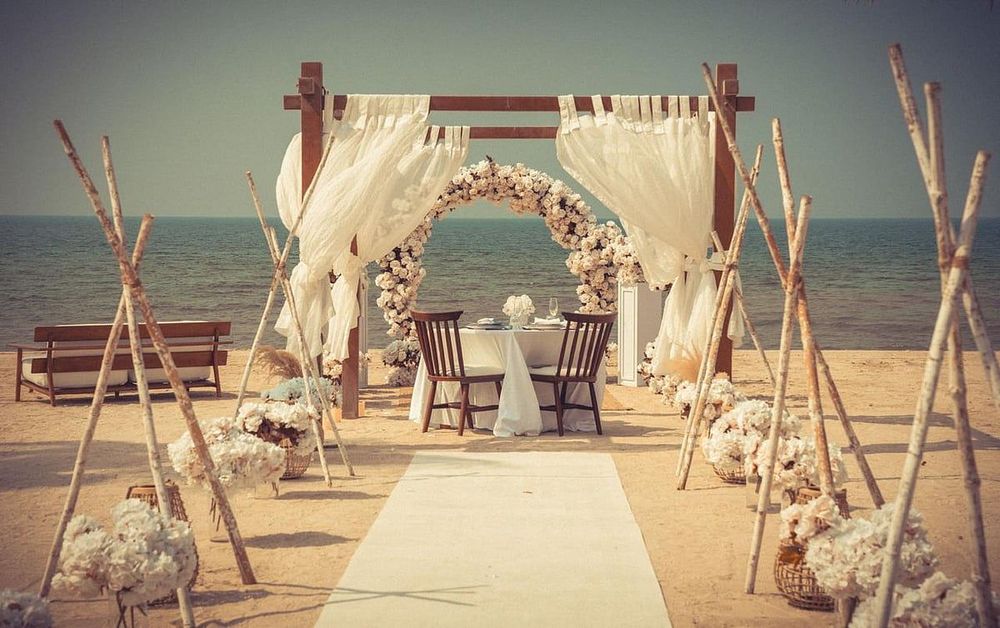
Having orchestrated more than 1,000 proposals across the UAE over the past decade, Bagga has observed the emergence of an entirely new customer base. Proposal experiences now range from intimate beachfront arrangements to elaborate productions exceeding AED 500,000 in value, reflecting surging demand for bespoke milestone celebrations.
The customer demographic has shifted as dramatically as the business model itself. While destination visitors continue to generate substantial enquiries, Proposal Dubai has recorded increasing demand from women planning surprise proposals, couples celebrating second marriages, families gifting proposal experiences, and mature couples marking new life chapters.
Commercial opportunities across hospitality ecosystem
This trend is generating commercial opportunities throughout the hospitality ecosystem. Luxury hotels, restaurants, entertainment venues, florists, photographers, transportation providers and destination management companies all benefit from a category that frequently commands premium spending despite considerably shorter booking windows than traditional weddings. The UAE's hospitality market, valued at USD 30.07 billion in 2026, is projected to reach USD 43.92 billion by 2031, with the Tourism Strategy 2031 targeting 40 million annual hotel guests.
Unlike weddings, which typically require months of advance planning, proposals are often confirmed within weeks, enabling hospitality operators to monetise premium inventory whilst delivering tailored guest experiences. The Middle East luxury hotel market reached $28.4 billion in revenue in 2026, marking an 85% increase from 2019, with Dubai maintaining a $485 average daily rate and 78% occupancy in the luxury segment.
Seasonal demand between October and April, particularly surrounding Valentine's Day, has established a predictable business cycle for suppliers across the sector, though floral and production costs often escalate sharply during peak periods. Dubai's hotel sector recorded an average occupancy rate of 78% in 2025, with revenue per available room jumping 16% to reach $182.02 in early 2026, demonstrating strong premium pricing power.
Market context and growth projections
The broader wedding-related services market provides important context for this emerging sector. The GCC destination wedding market is expected to grow from USD 3.7 billion in 2025 to USD 8.7 billion by 2035, with the UAE and Saudi Arabia leading this expansion. Globally, the wedding planner market is projected to grow from $339.93 billion in 2026 to $612.95 billion by 2034, with the Middle East and Africa representing $13.27 billion in 2025.
The first half of 2026 saw many consumers adopt cautious approaches towards discretionary spending amid broader geopolitical uncertainty. However, Bagga reports that enquiry levels have begun strengthening ahead of the upcoming season as international travel continues recovering. The UAE tourism sector recorded hotel revenues exceeding AED 9.8 billion in January and February 2026, with occupancy rates reaching 85%, marking 17% year-on-year growth.
International visitor trends
International visitor numbers support this optimism. Dubai welcomed 19.59 million international overnight visitors in 2025, marking a 5% increase compared to 18.72 million arrivals in 2024, representing the third successive year of record-setting figures. Dubai International Airport retained its position as the world's busiest airport for international passengers for the 11th consecutive year in 2025, handling 95.2 million passengers.
Bagga observes renewed interest from international visitors planning proposals in Dubai for the coming months. People may postpone celebrations during uncertain periods, but they rarely cancel defining life moments. They simply await the right time to create them.
Regional spending patterns further support the sector's growth prospects. Luxury travel demand in the Middle East is growing at twice the global rate, with Middle East travellers spending approximately 50% more per trip than the worldwide average, according to the ATM Travel Trends Report 2025.
Infrastructure investment and future outlook
Infrastructure investment continues reinforcing the sector's foundation. The UAE added 5,000 new hotel rooms in 2025, with nearly 71% of upcoming hotel projects through 2030 falling within the luxury or upscale category, reflecting sustained investment in high-end hospitality infrastructure that serves as venues and partners for premium proposal experiences.
As Dubai strengthens its position as a leading destination for luxury tourism and bespoke experiences, the proposal planning industry reflects a broader shift in consumer behaviour. Today's travellers invest not merely in destinations, but in curated, emotionally meaningful experiences that generate lifelong memories.
For the hospitality, tourism and luxury services sectors, this represents more than a lifestyle trend. It signals the emergence of a specialised experience economy, where proposals are no longer simply the beginning of wedding planning, but standalone business opportunities reshaping how life's most significant moments are celebrated.